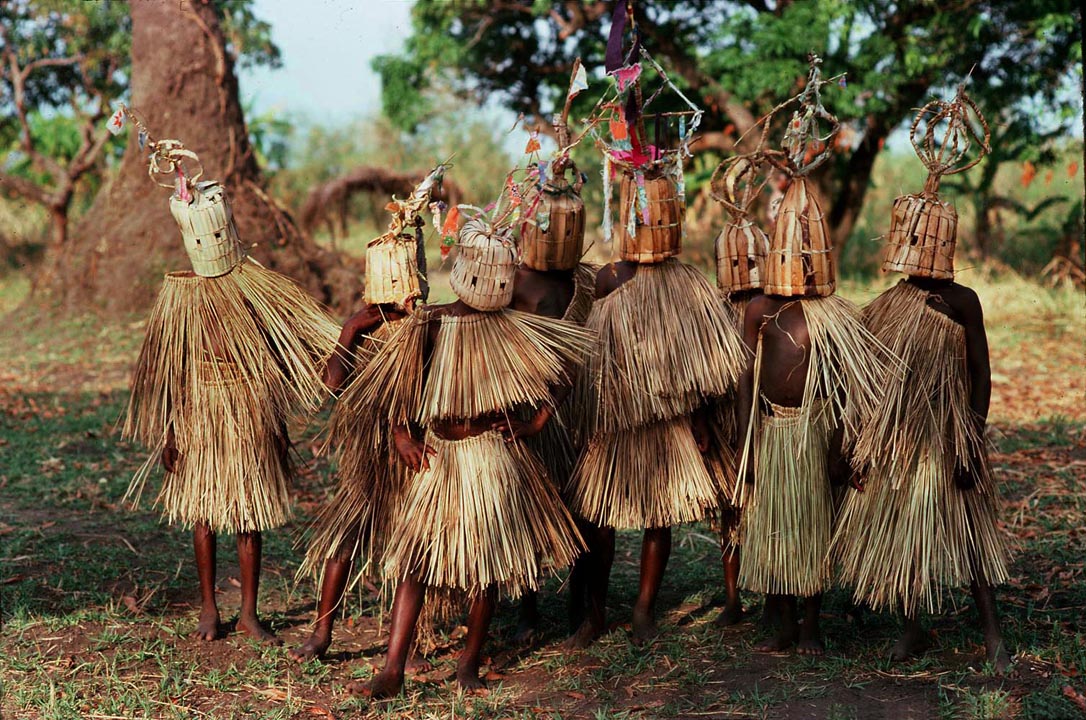
Ritual practice is inherently performative and often resists static categorization.
— by
Steven Haynes
Beyond the Static: Why Ritual Practice is a Living Performance
Introduction
We often think of ritual as a fixed entity—a dusty relic of tradition or a rigid set of instructions found in a manual. We imagine the practitioner as a passive vessel, merely reciting words or moving through motions exactly as their ancestors did. However, this view fundamentally misunderstands the nature of human experience. Ritual is not a museum piece; it is an act of creation.
Ritual practice is inherently performative. It relies on the presence of the actor, the specific context of the moment, and the fluid relationship between intention and action. Because ritual lives in the “doing” rather than the “being,” it resists static categorization. Whether you are performing a corporate morning routine, a formal religious ceremony, or a personal habit designed to cultivate focus, you are engaging in a dynamic performance that changes every time it is enacted. Understanding this performative nature is the key to moving from mindless repetition to intentional, transformative practice.
Key Concepts
To grasp why ritual resists categorization, we must first look at the difference between prescriptive and performative acts.
The Prescriptive Fallacy: We often mistake the “script” of a ritual for the ritual itself. If a morning yoga sequence or a corporate board meeting follows a specific order, we assume the ritual is defined solely by that order. But a script is just ink on paper. It has no power until it is activated by a human body in a specific space.
The Performative Nature: In performance theory, an act is performative when it brings about a change in the performer or the social context. When you perform a ritual, you are not just representing a value; you are enacting it. The “doing” changes the “doer.”
Resistance to Categorization: Because rituals are performative, they are subject to “the drift of context.” A ritual performed in a state of grief feels fundamentally different from the same ritual performed in a state of celebration. Because the actor changes, the ritual changes. Therefore, any attempt to classify a ritual as “this” or “that” ignores the reality that ritual is a living, breathing phenomenon that adapts to the needs of the practitioner.
Step-by-Step Guide: Designing Your Own Performative Rituals
If ritual is a performance, you are the director, the actor, and the audience. Here is how to move away from rigid, static habits toward dynamic, performative practices.
Identify the Intention, Not the Method: Start with what you need to achieve—clarity, mourning, celebration, or focus. Do not start with a “how-to” guide. If you need clarity, ask yourself what physical actions represent that state for you.
Design the Boundary: A ritual requires a shift from “ordinary time” to “ritual time.” This is a performance element. Use a physical cue: lighting a candle, changing your clothes, or clearing your desk. This signals to your brain that the performance has begun.
Incorporate Sensory Elements: Performance relies on immersion. Engage multiple senses. What does the ritual smell like? What is the rhythm of your breathing? What sounds accompany your actions? Sensory input prevents the mind from drifting into habitual, “autopilot” modes.
Leave Room for Improvisation: A rigid ritual eventually becomes a chore. Build in a “variable slot” where you can adjust the practice based on how you feel that day. If you are exhausted, the performance might be slower. If you are energized, it might be more vigorous. Let the ritual flex.
The Closing Act: Never end a ritual abruptly. Just as you created a boundary to enter the ritual, you must create one to exit. A simple nod, a final deep breath, or tidying the physical space signals the return to ordinary life.
Examples and Case Studies
Case Study 1: The Corporate “Check-In”
Many teams use a daily “stand-up” meeting. When treated as a rigid, static requirement, it becomes a source of dread. When viewed as a performative ritual, it becomes a tool for team cohesion. By allowing the structure of the check-in to change—perhaps standing in a circle, rotating who leads, or incorporating a quick pulse-check on morale—the team shifts from “reporting status” to “performing alignment.” The ritual resists becoming a hollow, bureaucratic habit because it adapts to the group’s emotional pulse.
Case Study 2: The Personal Creative Trigger
Consider a writer who lights a specific candle and plays a certain song before starting work. If they view this as a superstitious “rule,” they become trapped—if they lose the candle, they cannot work. If they view it as a performative act of focus, they realize the candle is merely a prop. They can replace the prop with a cup of tea or a specific stretch, maintaining the intention of the performance while adapting to their current environment. The ritual remains effective because it is rooted in the performance of focus, not the static object.
Common Mistakes
Confusing Habit with Ritual: Habits are largely unconscious and aimed at efficiency. Rituals are conscious and aimed at meaning. If you do it without thinking, it is a habit, not a ritual.
Rigidity: If you feel guilty for missing a step in your routine, you have fallen into the trap of static categorization. The ritual exists to serve you; you do not exist to serve the ritual. If the “performance” no longer fits your life, update the script.
The “Magic Wand” Mentality: Believing that performing the steps will automatically result in the desired psychological state is a misunderstanding of ritual. The ritual is the vehicle, not the destination. You must bring your active attention to the performance for it to have any effect.
Advanced Tips
To deepen your understanding of ritual as a performative, fluid practice, consider these insights:
The most powerful rituals are those that incorporate failure. When a performance doesn’t go exactly as planned—perhaps the candle blows out, or you lose your train of thought—that moment of disruption is where the real growth occurs. Do not discard the ritual because it felt “off.” Integrate the disruption. Acknowledge it, breathe through it, and continue. This is the hallmark of a mature practitioner.
Active Engagement vs. Passive Recitation: Always ensure that you are doing, not just being done to. If you find your mind wandering during a ritual, increase the physical demand of the act. Stand up, use larger gestures, or speak your intentions aloud. By increasing the energy you put into the performance, you make it impossible for the ritual to become a static, mindless category.
Conclusion
Ritual is the bridge between our internal intentions and our external reality. By recognizing that ritual practice is inherently performative, we unlock the ability to design practices that are truly responsive to our lives. We stop being constrained by rigid definitions of how things “should” look and start focusing on how they “feel” and what they “do.”
Whether you are building a morning routine, a team culture, or a personal spiritual practice, remember that you are the performer. Your presence is the primary ingredient. Do not fear the fluidity of ritual; embrace it. Let your practices evolve as you evolve. By treating ritual as a living performance, you ensure that it remains a source of power, meaning, and authentic change in your life.


Leave a Reply