Risk management strategies must account for the evolving nature of AI-related legal liabilities.
— by
Steven Haynes
Outline
Introduction: The shift from software as a tool to AI as an agent.
Key Concepts: Understanding algorithmic liability, data privacy, and intellectual property risks.
Step-by-Step Guide: Building a dynamic AI risk framework.
Examples: Analyzing copyright litigation and autonomous decision-making scenarios.
Common Mistakes: The pitfalls of “black box” reliance and static governance.
Advanced Tips: Implementing human-in-the-loop (HITL) and adversarial testing.
Conclusion: Final thoughts on proactive compliance.
Navigating the Shifting Sands: AI Risk Management and Legal Liability
Introduction
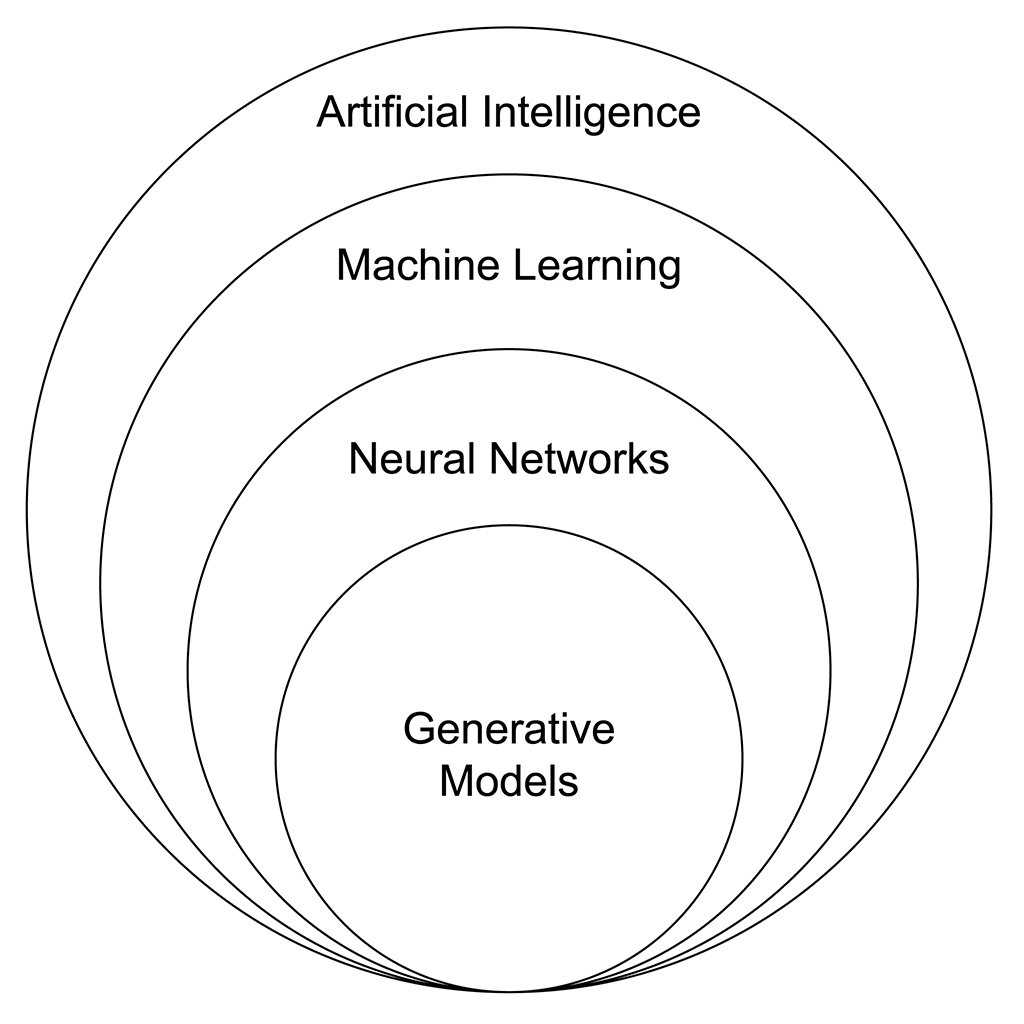
For decades, the legal liability of technology companies was relatively binary: did the code function as documented, or did it contain a defect? Today, Artificial Intelligence has fundamentally disrupted this paradigm. Because AI systems—particularly those based on Large Language Models (LLMs) and neural networks—are probabilistic rather than deterministic, they do not just “perform” tasks; they generate content, make decisions, and evolve based on input data.
This evolution means that the legal risks associated with AI are no longer static. They are fluid, unpredictable, and subject to rapidly changing regulatory frameworks like the EU AI Act and evolving court rulings on copyright and defamation. For businesses, relying on legacy risk management strategies is akin to using a paper map in an earthquake zone. To remain competitive and compliant, organizations must shift from reactive legal defense to a proactive, iterative strategy of AI risk governance.
Key Concepts: The Triple Threat of AI Liability
To manage AI risk, one must first identify where the legal exposure originates. Current litigation and regulatory scrutiny generally cluster around three core pillars:
Algorithmic Accountability: This refers to the liability arising from AI decision-making. If an AI recruiting tool systematically excludes candidates based on gender, the company is liable for discriminatory hiring practices, even if the “human” programmer never explicitly instructed the model to discriminate. The bias is latent, inherited from historical training data.
Data Privacy and Intellectual Property (IP): Many AI models are trained on massive, public datasets. If a model inadvertently reproduces proprietary code or sensitive personal information, the deploying entity faces litigation. The legal status of AI-generated content—specifically whether it infringes on existing copyright—remains a battleground in modern courts.
Explainability and Transparency: Many advanced AI models operate as “black boxes.” If a system cannot explain its decision (e.g., denying a loan or flagging a transaction for fraud), it may violate “right to explanation” laws in jurisdictions like the EU. An inability to explain a model’s output creates massive exposure in consumer protection litigation.
Step-by-Step Guide: Building a Dynamic AI Risk Framework
Risk management for AI cannot be a “set it and forget it” process. It requires an integrated lifecycle approach.
Inventory and Classification: Conduct a comprehensive audit of all AI tools used within your organization. Classify them by risk level (Low, Medium, High). A high-risk model, such as one used for medical diagnosis or credit scoring, requires significantly more rigorous oversight than a low-risk internal chatbot.
Data Provenance Protocols: Establish strict rules for training data. Ensure all datasets are audited for copyright infringement and bias. Document the origin of the data; if a vendor provides a model, demand a “model card” detailing the dataset composition and known limitations.
Implement Human-in-the-Loop (HITL) Controls: Never allow an AI to make a high-stakes decision without human intervention. Design workflows where the AI provides a recommendation, but a qualified human agent confirms the output before it is deployed or shared with a customer.
Continuous Monitoring and Adversarial Testing: AI systems can “drift,” meaning their behavior changes over time as they ingest new data. Implement automated monitoring systems to detect unexpected performance shifts. Regularly perform “Red Teaming” exercises where you intentionally attempt to trick the AI into producing harmful or biased content.
Dynamic Legal Review: The legal landscape regarding AI changes monthly. Establish a cross-functional committee—comprising legal, IT, and ethics stakeholders—to review the latest court rulings and legislative updates every quarter. Adjust policies accordingly.
Examples and Case Studies
Consider the recent wave of class-action lawsuits involving generative AI companies. Several authors have filed suit against AI firms for using their copyrighted works to train LLMs without compensation. If the courts rule that this constitutes a violation of copyright, companies that have integrated these models into their products could find themselves liable for secondary infringement.
The core lesson here is that using third-party AI APIs does not shield a company from liability. You are ultimately responsible for the output your systems provide to your end users.
In another scenario, a major financial institution faced regulatory fines for using an AI model that disproportionately rejected mortgage applications from specific neighborhoods. Even though the bank argued they were using “blind” data (omitting race), the model had “re-discovered” the variable through proxy data like zip codes. This case highlights that standard compliance checks are insufficient; you must stress-test for proxy variables.
Common Mistakes
Over-reliance on Vendor Indemnification: Many companies assume that if they buy an AI tool from a major vendor, that vendor takes all the legal risk. In reality, most contracts limit liability significantly, leaving the user on the hook for operational and reputational damages.
Ignoring “Shadow AI”: Employees often adopt free AI tools (like ChatGPT or local LLMs) for daily tasks without IT oversight. This creates massive data leakage risk where proprietary corporate secrets may be ingested into a public model.
Treating AI as a Static Asset: Unlike a piece of software that stays the same until an update is pushed, an AI model that learns from user interaction is always changing. Managing it as a static product is a primary driver of future liability.
Advanced Tips: Preparing for the Future
To elevate your risk management strategy, look toward Model Versioning and Version Control. Just as software developers track code versions, you must track model versions. If an AI makes a discriminatory decision today, you need to be able to “roll back” or audit exactly which version of the model was in use at that specific timestamp, what data it was trained on, and what the logs showed at that moment.
Furthermore, invest in AI Insurance. The insurance industry is currently developing policies specifically designed to cover the unique liabilities of algorithmic decision-making. These policies can act as a crucial safety net while your internal governance protocols mature.
Finally, promote Algorithmic Literacy across your organization. Liability is often a result of human error—employees simply not understanding what the AI is (or is not) capable of. Training staff to recognize AI hallucinations and bias is your first and most effective line of defense.
Conclusion
The legal challenges surrounding AI are not merely “technical problems”—they are strategic business risks. As courts and legislators clarify the rules of engagement, the companies that thrive will be those that have institutionalized agility. By moving away from static compliance checklists and toward an iterative, human-supervised, and transparent governance model, you can navigate the evolving landscape of AI liability with confidence. Remember, in the age of intelligent automation, the most valuable asset you can cultivate is the ability to account for the unknown.



Leave a Reply