
Contents
1. Introduction: The collision of Silicon Valley ambition and existential dread. Why technical safety isn’t enough to answer the “why” of human survival.
2. Key Concepts: Defining “Moral Vocabulary.” Moving beyond utilitarian calculations (alignment) into ontological questions (dignity, stewardship, the nature of consciousness).
3. Step-by-Step Guide: How to bridge the gap between religious ethics and AI policy.
4. Examples/Case Studies: The Vatican’s “Rome Call for AI Ethics” and the role of religious NGOs in UN AI policy forums.
5. Common Mistakes: Reductionism, alarmism, and ignoring the “human-in-the-loop” as a spiritual, not just functional, requirement.
6. Advanced Tips: Leveraging interfaith dialogue for global AI governance.
7. Conclusion: Why we need a “thick” moral language to survive the “thin” logic of algorithms.
***
The Silicon Pulpit: Why Religious Frameworks are Essential for AI Governance
Introduction
We are currently witnessing a historic convergence. On one side, computer scientists and venture capitalists are accelerating toward artificial general intelligence (AGI) with the urgency of pioneers. On the other side, the public is gripped by existential anxiety, struggling to articulate why the replacement of human judgment by machines feels like a fundamental violation of our nature.
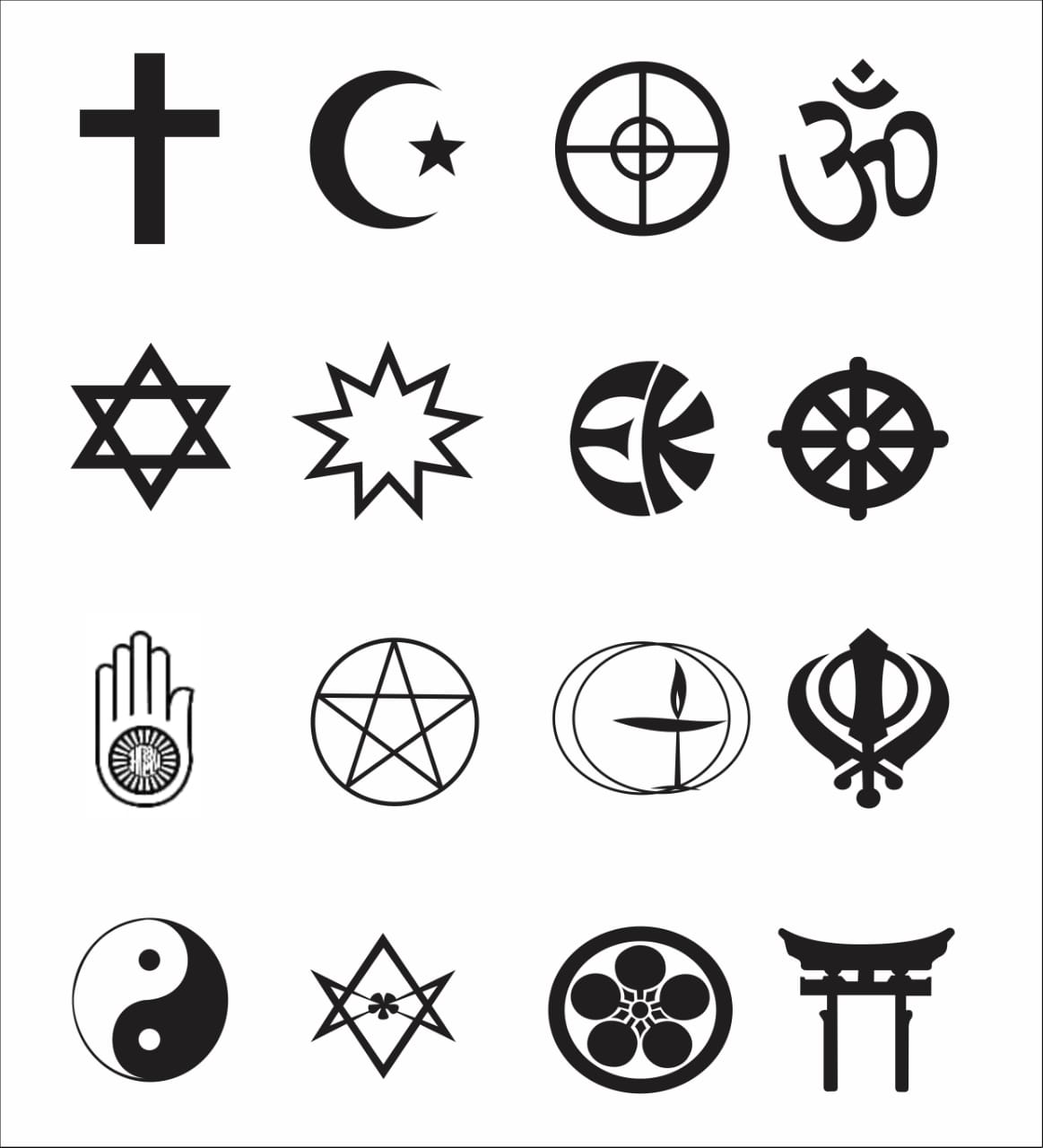
The current discourse on AI safety is dominated by “thin” language: efficiency, optimization, alignment, and recursive self-improvement. While these terms are vital for engineering, they are dangerously inadequate for addressing the existential risks AI poses to human meaning. If we are to govern the rise of a new intelligence, we require more than just safety protocols; we require a robust moral vocabulary. Religious organizations—with their long-standing traditions of wrestling with the nature of the soul, stewardship, and the boundaries of creation—provide the very scaffolding needed to talk about what it means to be human in the age of machines.
Key Concepts
To understand why religious frameworks matter, we must distinguish between technical safety and moral wisdom. Technical safety asks: “How do we ensure the AI does what we want it to do?” Moral wisdom asks: “Is this technology aligned with the inherent dignity of the human person?”
Ontological Dignity: Religious traditions, particularly those in the Abrahamic and Dharmic faiths, often posit that humans possess an intrinsic value that is not based on productivity or computational capacity. When we frame AI risk through this lens, the threat is no longer just “misalignment”; it is “dehumanization.” If we view humans as mere data points to be optimized, we lose the moral justification for human autonomy.
Stewardship vs. Dominion: Many religious frameworks argue for the concept of stewardship—the idea that humans are temporary caretakers of the world. Applying this to AI means shifting from a “move fast and break things” mentality to a mindset of intergenerational responsibility. It provides a moral framework for accountability that goes beyond legal liability.
Step-by-Step Guide: Integrating Moral Wisdom into AI Governance
How can we apply these ancient insights to modern, high-tech policy decisions? Follow this framework to shift the conversation from purely technical risks to human-centric outcomes.
- Identify the Human Anchor: Before finalizing any AI implementation strategy, ask: “Does this enhance or diminish human agency?” Use religious frameworks of “vocation” or “calling” to determine if a task is one humans should retain for the sake of their own flourishing.
- Audit for Idolatry: In modern terms, “idolatry” is the elevation of a tool to the status of a god. Ask if your organization is outsourcing critical moral decision-making to an algorithm. If the machine is being treated as an infallible arbiter, your governance structure is failing.
- Consult Diverse Moral Traditions: Do not rely on a single secular utilitarian worldview. Engage with representatives from religious communities to stress-test your AI ethics boards. Ask them to identify risks associated with human dignity that your engineering team may have overlooked.
- Implement “Sabbath” Protocols: Just as religious traditions prioritize rest to prevent burnout and maintain perspective, implement systemic pauses in AI development cycles. Use these periods for ethical reflection and “human-in-the-loop” verification, rather than continuous, automated deployment.
Examples and Case Studies
The Vatican’s Rome Call for AI Ethics serves as a prime example of religious institutions engaging directly with technological powers. By partnering with companies like Microsoft and IBM, the Holy See established a framework centered on “algorethics.” This isn’t just about security; it’s about ensuring that AI respects the transparency, inclusion, and objectivity required by a society built on the common good.
Similarly, Buddhist perspectives on the interconnectedness of all sentient beings are being used in academic circles to discuss the moral status of artificial consciousness. While this may sound abstract, it directly influences policy debates regarding whether autonomous systems should ever be granted “personhood,” a distinction with massive legal and moral implications for how we treat our own biological counterparts.
Common Mistakes
- The Fallacy of Neutrality: Many tech leaders argue that AI is “value-neutral.” This is a mistake. Technology is designed by humans with underlying biases. Ignoring this leads to “value-drift,” where the algorithm eventually reflects the most base motivations of its developers.
- Reductionist Security: Focusing only on preventing AI from “killing us” is a form of survivalism, not flourishing. If we survive the AI revolution but lose our capacity for independent thought and moral struggle, we have still suffered an existential defeat.
- Ignoring the “Meaning Gap”: Religious organizations often fail by being purely reactive or moralizing. To be effective, they must learn to speak the language of engineering while holding onto the depth of theology, rather than dismissing technology as inherently evil.
Advanced Tips
Leverage Interfaith Dialogue: Use AI as a catalyst for interfaith cooperation. Because existential risks from AI are global, they require a global ethical consensus. If a Buddhist, a Christian, and a Secular Humanist can agree on the “Red Lines” for AI autonomy, you have created a robust, cross-cultural ethical foundation that is far more durable than any company-specific policy.
Focus on Prototyping Virtue: Instead of only writing “Ethics Principles” (which are often ignored), build “Virtue Prototypes.” These are software design patterns that deliberately force human interaction, require human sign-off on sensitive issues, and provide audit trails that are easily understandable by non-technical stakeholders.
Conclusion
The existential risk posed by AI is not just that we might be destroyed by a cold, calculating machine. It is that we might be slowly convinced that we are no more than machines ourselves. Religious organizations hold the “thick” moral vocabulary—words like soul, dignity, stewardship, and conscience—that can prevent this reductionist future.
By engaging these frameworks, we move beyond the fragile, reactive state of technical “alignment” and into a proactive, human-centered governance of our future. We must recognize that the most sophisticated AI will still be an orphan without the guidance of human wisdom. As we stand on the precipice of the intelligence revolution, let us ensure that the hands shaping the future are guided by a deep, unwavering commitment to what makes us human in the first place.


Leave a Reply