The Biological Ceiling and the Architecture of Human Performance
\n\n
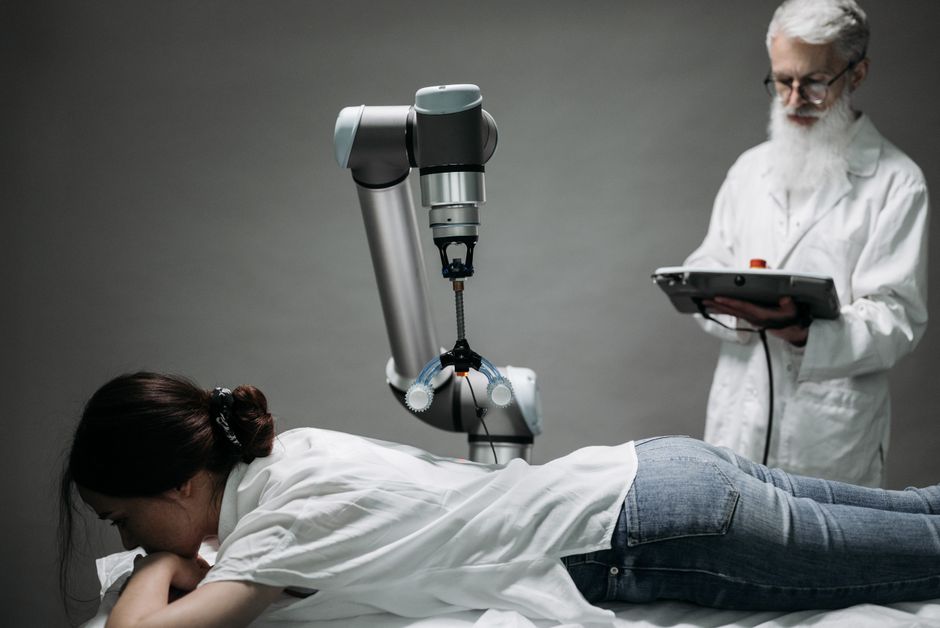
Human evolution has reached a plateau defined by the rigid constraints of our carbon-based biology. For millennia, the parameters of our cognitive speed, sensory bandwidth, and physical endurance were fixed variables. We optimized through culture, education, and habit, but the hardware remained constant. Today, we stand at the threshold of post-human biology—a shift where the biological substrate is no longer a static foundation, but an editable platform.
\n\n
For the modern leader, this is not a distant sci-fi abstraction. It is the ultimate frontier of high-performance thinking. If you view your cognitive capacity as a fixed asset, you are operating with an obsolete strategy. The integration of biotechnology, neural interfaces, and synthetic biology into the human experience changes the fundamental math of competitive advantage.
\n\n
Redefining the Human Operating System
\n\n
Post-human biology posits that the limitations of the human brain are not design flaws but legacy code. Our decision-making processes are currently bogged down by cognitive biases—evolutionary heuristics that served us well on the savannah but fail in the face of complex, high-stakes decision-making environments.
\n\n
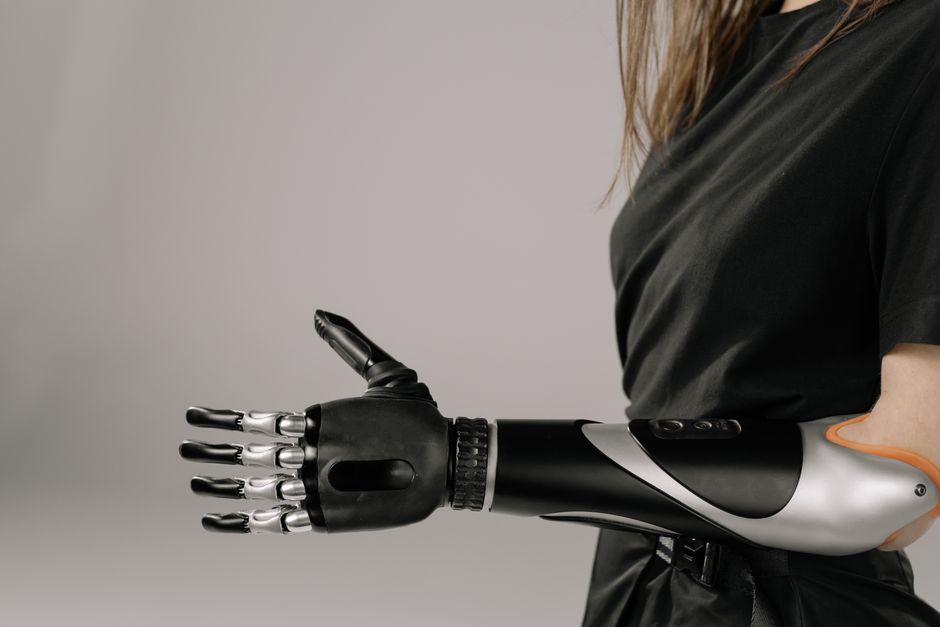
When we discuss post-human biology, we are talking about the deliberate augmentation of our biological capabilities. This includes:
\n\n
\n
Cognitive Enhancement: Moving beyond nootropics toward direct neural modulation to increase focus, memory retention, and processing speed.
\n
Biological Resiliency: Using CRISPR and gene therapy to eradicate susceptibility to chronic fatigue or age-related cognitive decline, effectively extending the peak performance window of a human life.
\n
Sensory Expansion: Integrating hardware that allows us to perceive data streams—market fluctuations, environmental variables, or complex system diagnostics—as direct sensory input rather than interpreted information.
\n
\n\n
This is the shift from managing a human team to managing an augmented human enterprise. The operational excellence of the future will be measured not by how well a team uses software, but by how well an organization integrates augmented biological capacities into its execution strategy.
\n\n
The Strategic Risk of Biological Stagnation
\n\n
There is a dangerous tendency to view biological limits as immutable. This is a failure of strategy. If your competitors are exploring ways to reduce their cognitive latency through bio-hacking or neural integration, and you remain shackled to the standard human biological cycle of fatigue and recovery, you are yielding ground.
\n\n
The post-human era demands a new kind of leadership. It requires a leader who treats their own biology as an engine to be tuned, monitored, and upgraded. This isn’t about vanity; it is about maintaining the intellectual clarity necessary to command complex systems. When the speed of information exceeds the speed of human thought, the only way to maintain control is to shorten the distance between data and insight.
\n\n
Execution in the Age of Synthetic Biology
\n\n
Execution is the bridge between vision and reality. In a post-human context, execution becomes a matter of biological optimization. We are moving toward a world where the distinction between the leader and the AI systems they manage begins to blur.
\n\n
Consider the implications for high-stakes environments. If a leader can increase their working memory or sustain deep-work states for longer durations through targeted biological interventions, their capacity for complex synthesis increases exponentially. This is the ultimate form of personal efficiency. It allows for a higher volume of high-quality decisions per unit of time, creating an insurmountable gap between the augmented and the unaugmented.
\n\n
Ethical Boundaries and the New Frontier
\n\n
The transition into post-human biology brings profound questions regarding equity and the nature of work. If biological enhancement becomes a prerequisite for high-level management, the socio-economic divide will widen into a biological one. Leaders must be prepared to address the ethics of these interventions while acknowledging that the trajectory of technological advancement rarely waits for consensus.
\n\n
Our biology is the final frontier of self-improvement. By approaching our own physical and cognitive makeup as a system to be engineered, we unlock potential that was previously inaccessible. The leaders who recognize this shift today will be the ones who define the operational standards of tomorrow.