Organizations like the World Council of Churches offer unique perspectives on the societal impacts of automation.
— by
Steven Haynes
Beyond Efficiency: The World Council of Churches and the Ethics of Automation
Introduction
For most industry leaders, automation is a lever for efficiency—a way to cut overhead, reduce human error, and accelerate production cycles. However, there is a growing realization that automation is not merely a technical upgrade; it is a fundamental societal shift. While Silicon Valley debates the mechanics of AI, organizations like the World Council of Churches (WCC) offer a critical, often overlooked perspective: the human and moral dimension of work.
By shifting the focus from “how fast can we automate?” to “what does this do to the human spirit and our collective stability?”, these organizations provide a necessary counterbalance to the tech-first narrative. Understanding this framework is essential for leaders, policymakers, and professionals who want to build resilient organizations that prioritize human dignity alongside technological advancement.
Key Concepts: The Ethics of Human-Centric Automation
The WCC’s approach to technology is rooted in the concept of “the common good.” In this framework, technology is not neutral. It is viewed as an extension of human purpose, and its success is measured not by profit margins, but by its impact on community health, social equity, and the preservation of human purpose.
Work as Vocation: Historically, work is viewed as a source of dignity, providing individuals with a sense of identity and contribution. When automation displaces workers, the concern is not just the loss of a paycheck, but the loss of a social anchor.
Technological Stewardship: This concept argues that we are responsible for the systems we build. If an algorithm perpetuates bias or accelerates wealth inequality, the organization is ethically accountable. Stewardship implies that we must actively mitigate the unintended consequences of the machines we deploy.
Social Cohesion: Automation has the potential to widen the gap between the skilled elite and the displaced workforce. An ethical approach prioritizes systems that empower workers rather than replacing them entirely, ensuring that the benefits of technological progress are distributed rather than concentrated.
If your organization is considering large-scale automation, follow this framework to ensure your strategy is socially responsible and operationally sustainable.
Conduct a Human Impact Audit: Before purchasing software, map out exactly how your employees’ daily tasks will change. Ask: Does this tool remove repetitive drudgery, or does it strip away the creative/problem-solving aspects of their role?
Engage the Workforce: Transparency is key. Bring the workers whose roles are being automated into the conversation early. Ask them where the friction points in their current workflow exist. They are often the best architects of how technology could actually support them.
Invest in Reskilling, Not Just Reassignment: Simply moving a human to a different repetitive task is a band-aid. Invest in training that allows your staff to manage, audit, and augment the automated systems.
Measure Holistic ROI: Expand your success metrics beyond speed and cost-cutting. Include metrics like employee engagement, skill development rates, and impact on team collaboration.
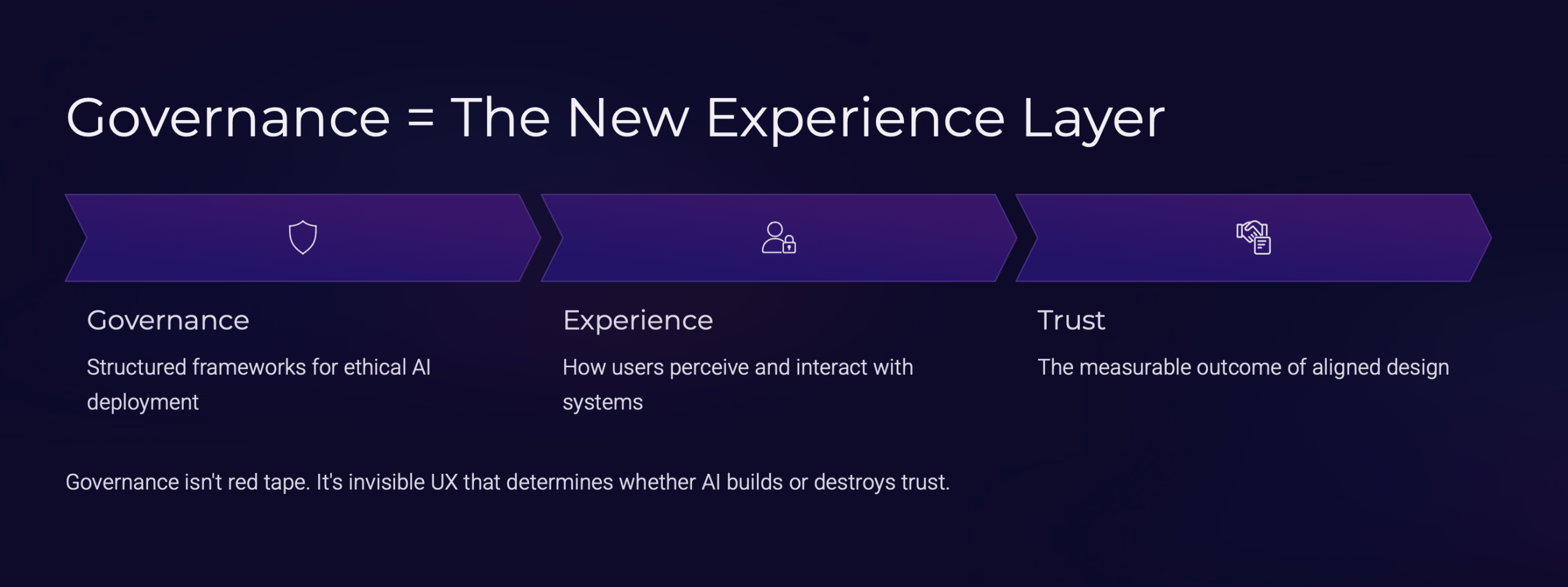
Establish a Governance Board: Create a cross-functional team, including HR, IT, and frontline staff, to oversee the implementation. They should hold “veto power” if the technology begins to negatively impact the mental health or autonomy of the workforce.
Examples and Case Studies: Real-World Applications
Several organizations have begun to adopt these “human-first” approaches to automation, often drawing from principles found in social-ethical dialogues.
The “Augmented Service” Model: A mid-sized logistics firm replaced its manual data entry department with AI-driven software. Instead of laying off the staff, the company repurposed the team into an “AI Exception Team.” These employees use the AI to identify anomalies and handle complex customer queries that require human empathy. The result was a 30% increase in productivity and, significantly, a reduction in staff turnover, as employees felt more challenged and engaged by their new roles.
Collaborative Robotics in Manufacturing: A specialized manufacturing plant in Germany shifted from full-factory automation to “cobot” (collaborative robot) integration. By placing robots alongside human workers—using the machine for heavy lifting and the human for precision assembly—the company avoided the “us versus them” dynamic common in industrial settings. Productivity improved, and the physical strain on workers plummeted, extending the career longevity of their skilled workforce.
“True progress in automation isn’t about how much we can remove the human from the equation, but about how much the human is empowered by the equation.”
Common Mistakes
Even with good intentions, many organizations fail during the implementation phase. Avoid these pitfalls:
Ignoring the “Meaning Gap”: Leaders often assume that if they pay a salary, the employee is satisfied. When an employee’s work becomes nothing more than “feeding the machine,” engagement drops, and burnout increases—even if the job is physically easier.
Technological Determinism: Believing that “we have to do this because the industry is doing it” is a recipe for failure. Just because a technology exists does not mean it is right for your culture or your people.
Short-Term Horizon: Focusing solely on the immediate bottom-line impact. Automation often has hidden long-term costs in culture erosion, loss of institutional knowledge, and diminished workforce trust.
Lack of Transparency: Implementing AI or automation in secrecy. Employees who feel “watched” by algorithms will inevitably push back or become cynical about company leadership.
Advanced Tips for Leadership
To lead effectively in an era of rapid automation, you must move beyond the role of a manager and become an ethical steward.
Cultivate “Human-in-the-Loop” Systems: Always design your workflows so that a human has the final say in critical decisions. This maintains accountability and ensures that nuances, such as ethical considerations or situational ethics, are not discarded by a rigid algorithm.
Prioritize “Cognitive Flexibility”: As machines take over routine processing, the value of the human worker shifts to creative problem-solving and emotional intelligence. Train your managers to prioritize soft-skill development; this is your greatest competitive advantage against automated systems.
Create a “Digital Ethics Charter”: Codify your organization’s stance on technology. When will we use it? How will we protect employee privacy? What do we refuse to automate? Having a written charter provides a North Star for difficult decisions down the line.
Conclusion
Organizations like the World Council of Churches remind us that technology should serve humanity, not the other way around. Automation is not an inevitability to which we must surrender, but a tool we must govern. By focusing on human dignity, investing in real reskilling, and maintaining human agency within our systems, we can create a future where innovation and community health exist in tandem.
As you navigate your own digital transformation, keep your focus on the people. Efficiency is a metric, but sustainability and purpose are the foundations of long-term success. Choose the path that builds both.






Leave a Reply