Optimizing Energy Systems With Zero-Shot Spatial Computing
Learn to optimize energy grids using zero-shot spatial computing and graph neural networks to manage infrastructure without the need for extensive historical data.
1. Introduction: Defining the intersection of spatial computing and energy grid management.
2. Key Concepts: Deconstructing “Zero-Shot” learning and spatial digital twins in infrastructure.
3. Step-by-Step Guide: Implementing a spatial-aware algorithm for grid optimization.
4. Case Studies: Real-world applications in microgrid load balancing and predictive maintenance.
5. Common Mistakes: Navigating data silos and model overfitting.
6. Advanced Tips: Integrating edge computing and federated learning.
7. Conclusion: The future of autonomous energy systems.
—
Optimizing Energy Systems Through Zero-Shot Spatial Computing Algorithms
Introduction
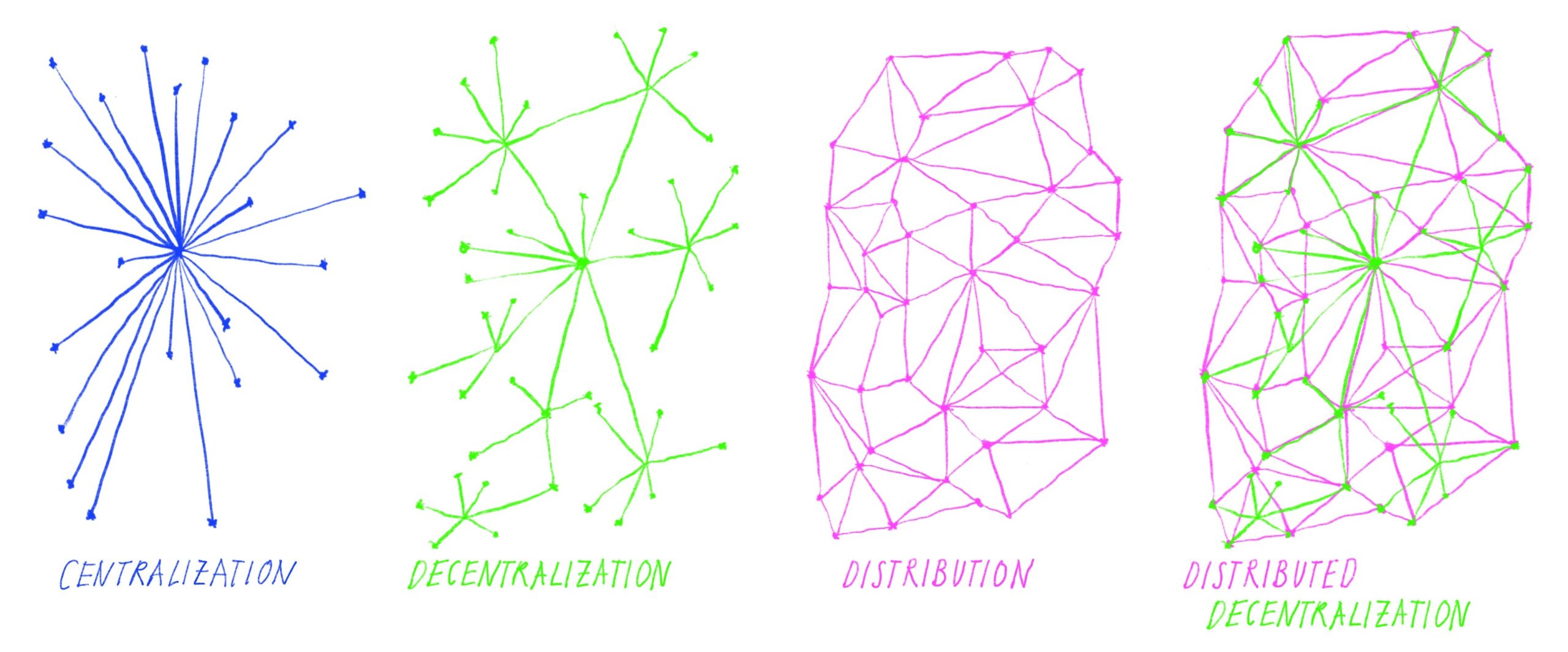
The modern energy grid is no longer a static, unidirectional system. With the integration of distributed energy resources (DERs), electric vehicle charging stations, and intermittent renewables, the grid has become a high-dimensional, hyper-connected spatial environment. Managing this complexity requires more than traditional linear forecasting; it requires spatial computing—the ability to map, analyze, and predict physical energy flows within a digital context.
The breakthrough lies in Zero-Shot Spatial Computing. Traditionally, AI models required massive, labeled datasets specific to every transformer, substation, or geographic region. Zero-shot learning shifts this paradigm, allowing algorithms to perform tasks on unseen data or novel geographic configurations without prior training on those specific scenarios. This article explores how energy infrastructure operators can leverage zero-shot algorithms to achieve real-time, autonomous grid optimization.
Key Concepts
To understand the power of zero-shot spatial computing in energy systems, we must first define the core components:
Spatial Computing: This involves using sensor data, geospatial coordinates, and physical grid topologies to create a dynamic “Digital Twin” of energy infrastructure. It moves beyond spreadsheets into 3D modeling of energy flow, where the physical location of a node dictates its operational constraints.
Zero-Shot Learning (ZSL): In machine learning, ZSL allows a model to recognize or act upon an object or environment it has never encountered during the training phase. By leveraging semantic relationships or structural constraints (e.g., the physical laws of electricity like Kirchhoff’s laws), the algorithm can “infer” the behavior of a new substation based on its structural similarity to known nodes.
Energy Grid Graph Neural Networks (GNNs): These are the engines of the system. By representing the grid as a graph, where nodes are transformers and edges are power lines, zero-shot algorithms can predict voltage stability or load surges across the entire topology by understanding the relationship between nodes, rather than just the history of a single node.
Step-by-Step Guide
Implementing a zero-shot spatial framework for energy infrastructure requires a transition from data-heavy training to structural-aware inference.
Topological Mapping: Create a digital representation of your grid topology. Ensure that every physical asset is tagged with spatial coordinates and connectivity data.
Feature Embedding: Convert physical characteristics (impedance, capacity, age of equipment) into a high-dimensional vector space. The goal is to ensure that assets with similar physical properties are “proximal” in the model’s mathematical space.
Defining the Physics Constraints: Unlike standard AI, energy systems operate under strict physical laws. Encode Kirchhoff’s Voltage and Current Laws into the model’s loss function. This allows the model to “reason” about unseen grid sections by applying physical rules.
Zero-Shot Inference: Deploy the model to a segment of the grid that was excluded from the training set. The model uses its learned understanding of grid physics and structural relationships to predict load patterns for this new, unseen segment.
Continuous Feedback Loop: Integrate real-time sensor data from smart meters to validate predictions. Use the error margins to refine the model’s “generalization” capabilities, not by retraining on that specific site, but by adjusting the meta-parameters of the algorithm.
Examples and Case Studies
Microgrid Load Balancing: A utility company in Northern Europe faced challenges managing several new, unmapped community microgrids. By deploying a zero-shot spatial algorithm, they were able to predict peak load demand for these new microgrids using only their physical topology and local weather patterns, without needing months of historical load data to “teach” the model.
Predictive Maintenance: A major transmission operator used spatial computing to identify potential failure points in rural substations. The zero-shot approach allowed them to identify early signs of overheating in a newly installed substation by comparing its real-time sensor feedback to the established “behavioral signature” of similar-sized substations in a completely different geographic region.
Common Mistakes
Neglecting Topological Accuracy: If your digital twin does not perfectly reflect the physical connectivity of the grid, the zero-shot model will fail. The algorithm relies on the physical structure to make inferences; bad data equals bad logic.
Over-Reliance on Historical Data: The trap of standard AI is trying to force historical patterns onto new infrastructure. Avoid this by focusing the model on structural relationships rather than time-series repetition.
Ignoring Edge Case Physics: Zero-shot models can occasionally hallucinate if they encounter a physical scenario that violates standard grid operations. Always include a “safety envelope” that forces the system to revert to manual control if the AI’s prediction deviates from safe voltage thresholds.
Advanced Tips
To take your implementation to the next level, consider Federated Spatial Learning. In this setup, multiple utilities can train a shared zero-shot model on their respective grids without sharing sensitive raw data. The model learns the “universal physics” of grid behavior through shared gradients, improving the accuracy for all participants without compromising security.
Additionally, incorporate Graph Attention Networks (GATs). GATs allow the algorithm to prioritize specific “neighboring” substations when making a prediction. For example, during a localized storm, the algorithm can dynamically focus its computational weight on the spatial cluster affected by the weather, ignoring unaffected nodes, which significantly reduces latency in critical decision-making.
Conclusion
Zero-shot spatial computing represents the next evolution in energy grid management. By decoupling the need for site-specific historical data, utility providers can deploy predictive intelligence to new infrastructure instantly. This approach not only reduces the cost of grid modernization but also provides the resilience required to manage the fluctuating nature of renewable energy integration.
As we move toward a decentralized energy future, the ability to “reason” about the grid’s spatial and physical architecture—rather than simply “remembering” it—will be the defining factor in building a stable, efficient, and sustainable power system.