1. Introduction: Defining “Place Memory” and the neurological link between scent and nostalgia. 2. Key Concepts: The Olfactory Bulb, the limbic system, and the “Proustian Effect.” 3. The Anatomy of Home: Why familiar spaces hold a unique, singular scent profile. 4. Step-by-Step Guide: How to document and preserve the sensory history of a home. 5. Real-World Applications: Using scent as a tool for grounding, emotional regulation, and legacy building. 6. Common Mistakes: Over-sanitizing and the loss of environmental identity. 7. Advanced Tips: Curating scent environments and sensory mapping. 8. Conclusion: Why honoring the smell of your lifelong home is an act of self-preservation.
***
The Olfactory Anchor: Understanding the Smell of Home
Introduction
There is a specific, indefinable fragrance that greets you the moment you cross the threshold of a house you have lived in your entire life. It is not merely the smell of wood polish, dust, or a particular brand of laundry detergent. It is a composite scent—a biological and environmental time capsule that contains the history of your own existence. For many, this scent is the ultimate anchor, a sensory trigger that bypasses logic and strikes directly at the core of our emotional identity.
Understanding why your home smells the way it does—and why that smell carries such profound weight—is an exercise in neurobiology and psychology. In a world that is increasingly transient and digitized, the “smell of place” remains one of the few authentic, physical connections we have to our own past. This article explores the science behind this phenomenon and provides a framework for how you can appreciate and preserve the sensory architecture of your life.
Key Concepts
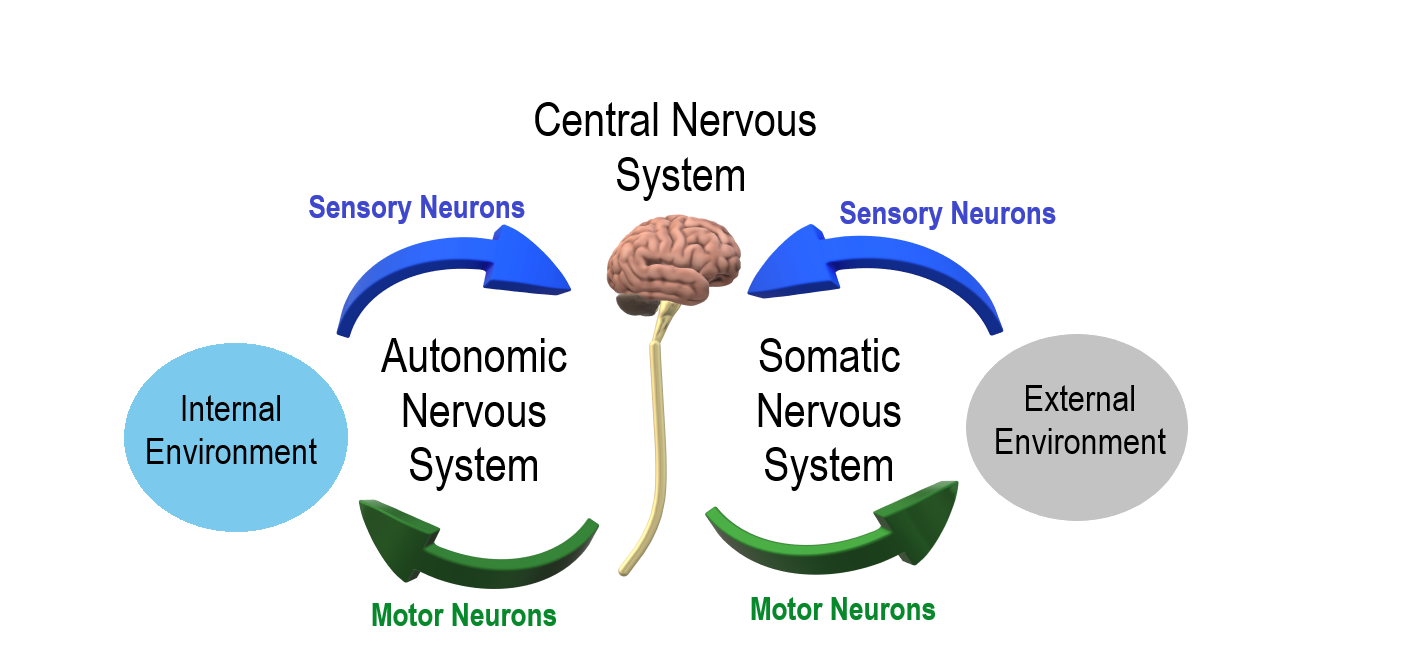
The connection between scent and memory is not poetic; it is physiological. This is rooted in the limbic system, the portion of the brain that manages emotion, behavior, and long-term memory. Unlike visual or auditory input, which is processed through the thalamus before reaching the rest of the brain, olfactory signals go directly to the olfactory bulb. This bulb is essentially an extension of the limbic system.
This is often referred to as the Proustian Effect, named after the novelist Marcel Proust, who famously described how the scent of a madeleine cake dipped in tea triggered an involuntary, vivid flood of childhood memories. When you smell your childhood home, you are not just smelling molecules in the air; you are triggering a direct neural pathway to your earliest, most formative experiences.
Your home’s unique scent is a volatile organic compound profile. It is a mix of your family’s chemistry, the materials the house is built from, the climate of your region, and the daily rituals performed within those walls. It is a living, breathing document of your household’s carbon footprint and lifestyle.
Step-by-Step Guide: Mapping Your Sensory History
To truly understand the “smell of home,” you must move from passive observation to active documentation. Follow these steps to map the sensory landscape of your living space.
The Return Test: Leave your house for at least 48 hours. Upon returning, pause at the threshold before doing anything else. Close your eyes and inhale deeply. Identify the “base note”—the lingering scent that remains regardless of cleaning products or cooking. This is the structural scent of your life.
Identify the Layers: Break the scent down. Does it smell like old paper? Is there a hint of damp earth from a basement or specific flora from the garden? Document these layers in a sensory journal.
Catalog the Rituals: Note what activities contribute to the smell. Is it the morning coffee roast? The scent of a specific wood-burning stove? The smell of dry-cleaned clothes in the closet? Write down the daily habits that reinforce the “home scent.”
Capture the “Ghost” Scents: Identify smells that are no longer present but linger in the memory—the smell of a pet that has passed, or the specific perfume of a grandparent. Recognize these as “ghost notes” that define the emotional texture of the house.
Examples and Real-World Applications
The application of understanding your home’s scent goes beyond simple nostalgia. It is a powerful tool for psychological well-being and life management.
Grounding for Anxiety: When you feel untethered by the stress of work or travel, returning to a “home scent” can act as a physiological reset. If you are moving or renovating, consider keeping a small, sealed container with a piece of material (like a piece of cedar or a fabric scrap) from the home. This “scent anchor” can be used during high-stress situations to evoke the safety of the place you have known your whole life.
Legacy Building: Many people use scent to curate their homes for the future. By maintaining specific, positive olfactory inputs—such as baking the same bread recipe or using a consistent, natural beeswax polish—you are effectively “programming” the sensory memory of your children or future inhabitants. You are building a legacy that they will one day recognize as “home.”
Common Mistakes
In our quest for cleanliness, we often inadvertently destroy the very things that make a house a home. Avoid these common pitfalls:
Over-Sanitization: The use of harsh, synthetic chemical cleaners strips a home of its unique, organic scent profile, replacing it with a sterile, “hotel-like” smell that offers no emotional comfort.
Masking Agents: Using heavily scented plug-ins or aerosols creates a “scent-scape” that is superficial. These synthetic smells often clash with the structural scent of the building, creating sensory confusion rather than comfort.
Ignoring Ventilation: While the smell of home is comforting, stagnant air can lead to musty, unhealthy odors. The goal is to preserve the character of the home, not the deterioration of it. Proper airflow is essential to keep the scent “clean” rather than “stale.”
Advanced Tips
For those who wish to deepen their relationship with their home’s scent, consider these advanced sensory practices:
Sensory Mapping: Create a physical map of your home. Label different rooms with their specific olfactory signatures. For instance, the library might smell of vanilla-lignin (the smell of aging paper), while the mudroom smells of ozone and iron from seasonal weather. This helps you appreciate the home as a multi-sensory environment rather than a singular space.
The Seasonality of Home: Recognize that the smell of your home shifts throughout the year. The humidity of summer pulls different scents from wood and upholstery than the dry heat of winter. Learn to appreciate these seasonal variations. When you can predict the “turning of the scent” as the seasons change, you have achieved a deep level of synchronization with your environment.
Archiving the Scent: If you are planning a move or a major renovation, consider “archiving” the scent. While we cannot bottle a house perfectly, you can capture the essence by identifying the materials that hold the scent longest—such as unsealed wood, textiles, or specific books—and ensuring these are preserved as you transition to a new phase of life.
Conclusion
The smell of a place you have lived your entire life is more than just an odor; it is a profound synthesis of your history, your habits, and your physical environment. It serves as a biological record of your growth, acting as a silent, invisible companion that marks the passage of time.
By learning to identify, respect, and curate this scent, you are doing more than just maintaining a living space. You are honoring your own narrative. Whether you are seeking a grounding mechanism for a chaotic life or simply trying to understand why you feel a sudden wave of emotion upon walking through your front door, remember that your home’s scent is a part of who you are. Take the time to breathe it in, map it out, and hold onto it—it is the most authentic map of your life you will ever possess.