The Fragility of Order: Understanding Dynamic Social Equilibrium
Most organizations operate under the delusion that stability is a destination. Leaders spend their careers building rigid structures, standardized processes, and static hierarchies, hoping to achieve a state of permanent order. This is a fundamental misunderstanding of how complex systems function. In reality, the systems that thrive are not those that achieve static balance, but those that master dynamic social equilibrium.
Dynamic social equilibrium is the state where a system remains stable not because it is frozen in place, but because it is constantly self-correcting. It is the ability to maintain cohesion while absorbing the erratic shocks of market shifts, technological disruption, and internal cultural flux. For the high-performance leader, this means shifting focus from “maintenance” to “active tension management.”
The Mechanics of Constant Adjustment
A system at equilibrium is not a dormant system. Think of a tightrope walker. To the observer, they appear to be in a state of perfect, still balance. In reality, they are engaged in a series of micro-adjustments—shifting weight, altering posture, and compensating for wind—to prevent a fall. This is the essence of leadership in a complex environment.
When you attempt to enforce static order, you create brittleness. Rigid systems cannot bend; they only break. By contrast, dynamic equilibrium relies on three core operational pillars:
Feedback Loops: If the data from the front lines takes too long to reach the decision-makers, the system loses its ability to self-correct. High-performance teams build high-velocity communication channels that prioritize truth over hierarchy.
Redundancy vs. Efficiency: Pure efficiency is the enemy of resilience. To maintain equilibrium, you must occasionally trade marginal cost-savings for the ability to absorb shocks—whether that is through talent cross-training or decentralized decision-making.
Adaptive Constraints: Rather than dictating every movement, set the “guardrails” of the system. Let the social dynamics play out within those boundaries. This allows for local innovation while maintaining the integrity of the whole.
The Role of AI in Systemic Stability
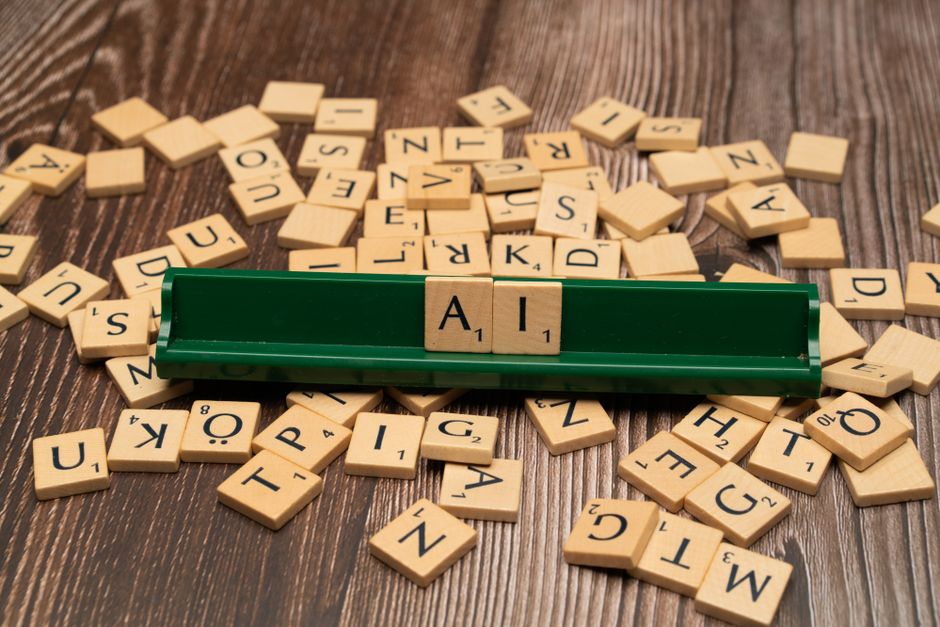
We are entering an era where human intuition alone is insufficient to manage the complexity of modern social and organizational systems. AI serves as a powerful instrument for monitoring the variables of dynamic equilibrium. By processing vast datasets that track cultural sentiment, operational bottlenecks, and performance drift, these tools provide a dashboard for the “invisible” forces governing your team.
However, the trap is over-optimization. If you use AI to force a system into a single, “optimal” state, you destroy the very volatility that allows for evolution. Use technology to detect when the system is approaching a breaking point, not to eliminate the healthy tension that keeps your team sharp and responsive.
Execution and the Cost of Stagnation
The greatest threat to a high-performing organization is the comfort of past success. When a team achieves a temporary state of equilibrium, the natural tendency is to “lock it in.” This is where strategy goes to die. Once you stop adjusting, you stop learning.
True execution requires the courage to introduce controlled instability. If your processes have become too comfortable, they are likely outdated. Challenge your team to stress-test their workflows. If a specific process hasn’t been re-evaluated in six months, it is likely acting as a anchor rather than a sail. Maintain your position not by standing still, but by being the most active force in the room.
True stability is not the absence of change; it is the mastery of the process by which change is integrated into the core of your operations.
Cultivating Resilience Through Intentional Friction
To master dynamic social equilibrium, you must move away from the “command and control” mindset. Instead, view your role as an architect of the environment. Create a culture where dissent is treated as a diagnostic signal rather than a nuisance. When your team debates, they are performing the necessary work of recalibrating the system’s equilibrium.
Encourage “productive friction.” This is the tension created when diverse viewpoints clash in the pursuit of a singular strategy. Without this friction, your social equilibrium becomes stagnant—a precursor to systemic decline. By fostering an environment where ideas are constantly challenged and refined, you ensure that your organization remains perpetually ready for whatever the next phase of the market demands.