
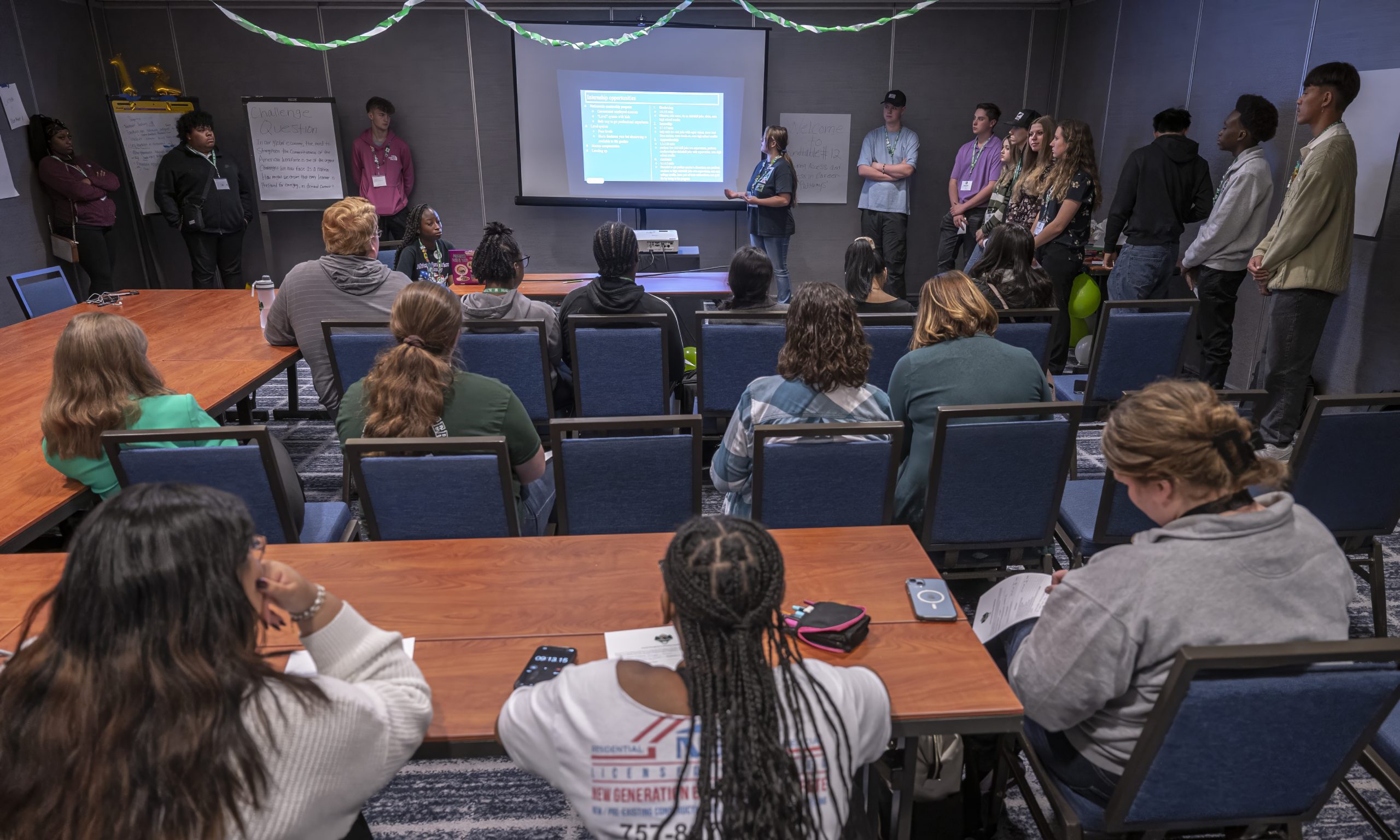
Bridging the Ethical Divide: Why Inclusive Roundtables Are Essential for Policy Drafting
Introduction
In an increasingly polarized global landscape, the policies that govern our societies often feel disconnected from the people they are intended to serve. When legislation or corporate policy is drafted in a vacuum—by a homogenous group of stakeholders—it inevitably reflects a narrow ethical lens. This leads to policies that are technically sound but morally brittle, failing to account for the diverse value systems of the population.
Inclusive roundtable discussions represent a move away from top-down policymaking toward a model of “moral pluralism.” By ensuring that diverse moral frameworks are represented at the drafting table, organizations and governments can anticipate ethical blind spots, improve public trust, and create more resilient, sustainable frameworks. This article explores the mechanics of inclusive discourse and how you can apply these principles to move beyond superficial representation to true ethical integration.
Key Concepts
To understand why inclusive roundtables matter, we must first define the core concepts of moral frameworks and pluralism in a policy context.
Moral Frameworks are the systems of values, cultural norms, and beliefs that guide an individual’s decision-making. In a single community, you might have individuals guided by utilitarianism (the greatest good for the greatest number), deontological ethics (duty-based adherence to rules), and ethics of care (focusing on relationships and empathy).
Moral Pluralism is the acknowledgment that multiple, often conflicting, moral systems can coexist within the same space. A policy that satisfies a utilitarian framework might be viewed as an injustice by someone operating under an ethics-of-care framework.
Inclusive Representation goes beyond demographic diversity. It is the intentional inclusion of stakeholders who represent different philosophical approaches to a problem. If your roundtable only includes experts who agree on the desired outcome, you have not created a space for moral deliberation; you have created an echo chamber.
Step-by-Step Guide: Designing an Inclusive Roundtable
Structuring a productive roundtable requires moving away from traditional parliamentary debate and toward deliberative democracy. Follow these steps to ensure meaningful engagement.
- Map the Ethical Landscape: Before sending invitations, perform an “ethical audit” of the policy issue. Ask: Who are the primary stakeholders, and what are their underlying moral concerns? If you are drafting a climate policy, ensure your room includes proponents of intergenerational equity (long-term focus) alongside economic pragmatists (immediate resource focus).
- Select Diverse Facilitators: A standard chairperson often favors efficiency over depth. Hire a facilitator skilled in “conflict-positive” communication—someone who can hold tension rather than rushing to a premature consensus.
- Establish Ground Rules for Moral Inquiry: Instead of focusing on “what we want,” instruct participants to focus on “why it matters.” Use a framework such as the “Veil of Ignorance,” where participants are asked to design a policy as if they didn’t know which group they would end up in.
- Iterative Feedback Loops: Do not aim to solve the policy in one session. Draft the policy based on the roundtable inputs, then bring the draft back to the same stakeholders to identify where their moral frameworks were misrepresented or sidelined.
- Document the Dissent: A successful roundtable is not one where everyone agrees. A successful roundtable is one where the points of irreconcilable conflict are clearly documented and accounted for in the policy’s risk assessment.
Examples and Case Studies
The “Citizens’ Assembly” Model in Ireland
Ireland’s Citizens’ Assemblies are a gold standard for inclusive policymaking. When the government faced deeply divisive issues—such as abortion and climate change—they didn’t rely solely on parliamentary debate. They brought together a randomly selected, demographically and morally diverse group of citizens. These participants were provided with comprehensive, balanced briefings from experts representing different ethical viewpoints. This process allowed the citizens to deliberate, reconcile their personal moral frameworks, and provide the government with a mandate that was perceived as legitimate by the broader public.
Corporate AI Ethics Boards
Leading technology firms are increasingly moving toward multi-stakeholder ethics boards. In one notable instance, a tech giant drafting facial recognition policy realized that their engineers (focused on technical accuracy) were neglecting the “ethics of care” regarding marginalized communities. By including human rights advocates and community organizers in the roundtable, the policy shifted from a purely performance-based metric to one that required rigorous bias testing and community oversight before deployment.
Common Mistakes
- The Tokenism Trap: Inviting a diverse group of people but excluding them from the actual drafting process. Representation without power is not inclusion; it is a public relations exercise.
- The “Expertise” Bias: Giving more weight to credentialed experts than to stakeholders with lived experience. A person’s lived moral experience is a form of data that is just as vital as academic research.
- Forcing Consensus: Prematurely pushing for a unanimous agreement often forces marginalized voices to silence their moral concerns to keep the peace. Aim for “consent”—the ability for all parties to “live with” the policy—rather than forced consensus.
- Ignoring the Power Dynamic: If a CEO or a high-ranking politician is in the room, they will inevitably steer the moral conversation. Ensure the process is structured to protect dissenters from social or professional pressure.
Advanced Tips for Policymakers
To truly elevate your roundtable discussions, consider these advanced strategies:
Utilize “Value Mapping”: During discussions, create a visual map of the values in the room. When a participant speaks, assign their point to a specific value category (e.g., Liberty, Fairness, Security, Sustainability). This visually demonstrates that no single value is being prioritized at the total expense of another, which helps participants feel heard.
True inclusive policymaking is not about finding the “middle ground,” which often satisfies no one. It is about creating a “high ground”—a policy that incorporates the moral requirements of diverse parties by utilizing modular or conditional design.
Design for Modular Policy: When you identify irreconcilable moral frameworks, consider if the policy can be modular. Can parts of the policy be localized to allow for different moral applications in different regions or contexts? Allowing for “ethical flexibility” within a unified framework is the hallmark of sophisticated policy drafting.
Embrace Radical Transparency: Publish the minutes or transcripts of your roundtable discussions. When the public sees that their moral concerns were not only heard but actively debated by the drafters, it drastically increases the legitimacy of the final output, even among those who disagree with the final decision.
Conclusion
Inclusive roundtable discussions are the antidote to the performative and divisive nature of modern policy drafting. By intentionally gathering a room full of people who view the world through different lenses, you do more than just avoid public outcry; you build a more robust, thoughtful, and ethically sound foundation for your organization or government.
The transition from a siloed drafting process to an inclusive one requires courage—the courage to hear uncomfortable truths and the patience to navigate complex, conflicting values. However, the result is a policy that is not merely “handed down” from above, but one that is built upon the collective moral intelligence of the community it serves. Start small, facilitate with intent, and treat every dissenting voice not as an obstacle to be cleared, but as an essential piece of the puzzle.



Leave a Reply