The Human Advantage: Overcoming AI Obsolescence Through Logic
— by
Steven Haynes
Contents
1. Introduction: Define the “Fear of Obsolescence” in the age of AI and automation. Introduce philosophical training as a cognitive framework for resilience.
2. Key Concepts: Distinguish between *functional utility* (which AI replaces) and *ontological uniqueness* (which remains human). Define the philosophical pillars of agency, intentionality, and moral responsibility.
3. Step-by-Step Guide: A practical framework for integrating philosophical inquiry into personal and professional development to immunize against obsolescence.
4. Examples/Case Studies: Contrast “task-based” roles with “judgment-based” roles in corporate environments.
5. Common Mistakes: Identifying the traps of “efficiency-only” thinking and the “technological determinism” fallacy.
6. Advanced Tips: Cultivating meta-cognition and dialectical reasoning to stay ahead of automated systems.
7. Conclusion: Summarizing the shift from fearing replacement to embracing the unique value of human perspective.
***
The Human Advantage: Mitigating the Fear of Obsolescence Through Philosophical Training
Introduction
We live in an era defined by the rapid encroachment of automation into domains once thought exclusively human. From generative artificial intelligence drafting legal briefs to sophisticated algorithms managing complex supply chains, the specter of professional and personal obsolescence looms large. For many adults, this creates a profound, underlying anxiety: if a machine can perform my tasks faster, cheaper, and more accurately, what remains of my value?
The fear of obsolescence is not merely a technical concern; it is an existential one. However, the antidote to this anxiety is not found in upgrading your software or learning the latest coding framework. Instead, it is found in the rigorous, often overlooked discipline of philosophical training. By understanding the core tenets of human uniqueness—agency, intentionality, and moral reasoning—we can transition from being replaceable “units of output” to irreplaceable “agents of value.”
Key Concepts
To address obsolescence, we must first understand what makes us human in a way that code cannot replicate. Philosophical training provides the vocabulary to distinguish between utility and uniqueness.
Functional Utility vs. Ontological Uniqueness: Functional utility is the ability to solve a well-defined problem using existing data. AI excels here. Ontological uniqueness, conversely, refers to the capacity for “first-person” experience—the ability to assign meaning, context, and ethical weight to a situation. While an AI can calculate the most efficient route for a delivery truck, only a human can decide whether that delivery serves a greater, socially responsible purpose.
Intentionality: This is the philosophical concept that mental states (beliefs, desires, intentions) are “about” something. Machines process information, but they do not “intend” to achieve a result. They follow instructions. When you cultivate your ability to set goals based on human values—rather than just following algorithmic prompts—you move into a realm where machines cannot follow.
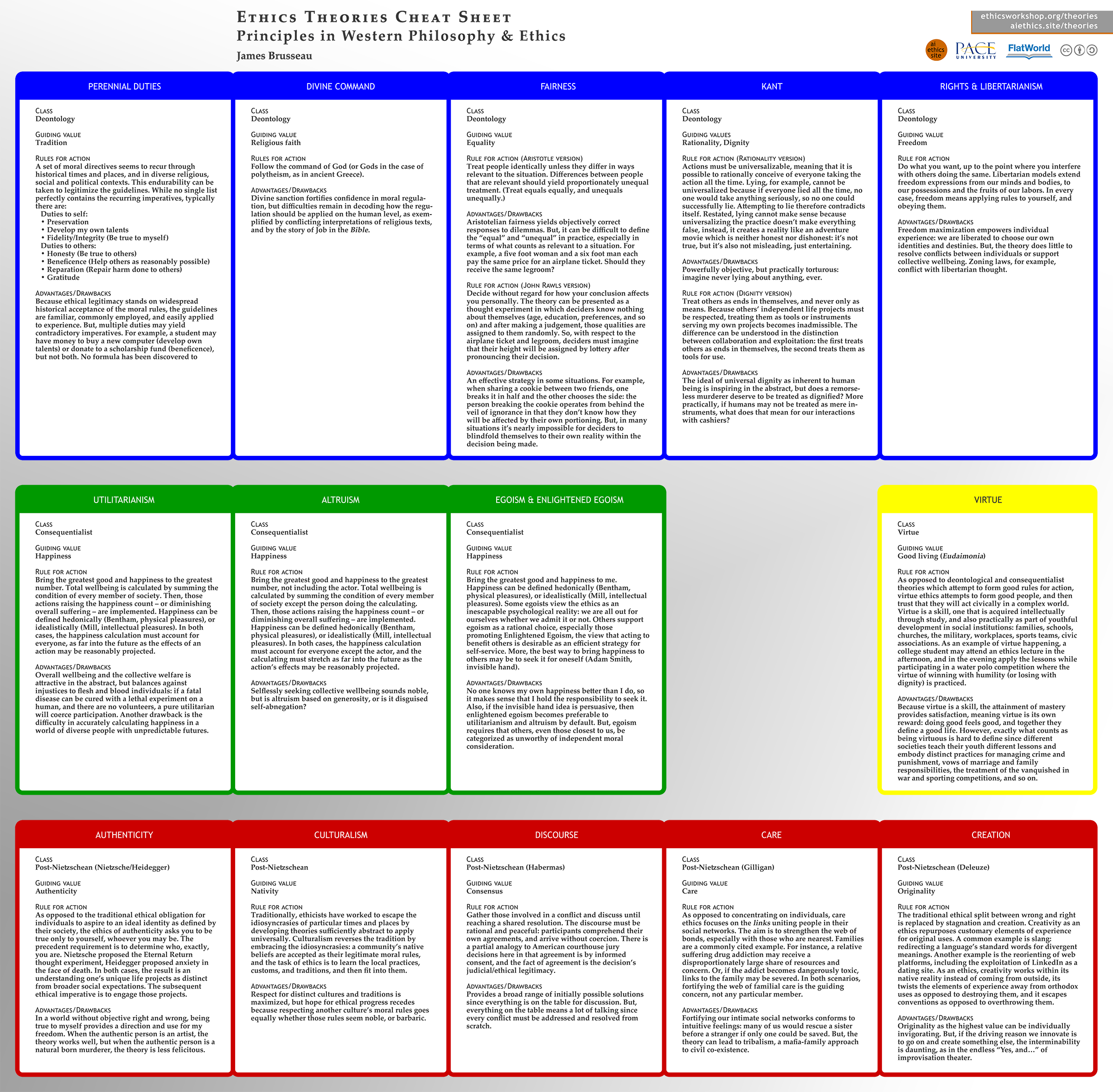
Moral Agency: AI operates within the bounds of its training data; it cannot be held accountable for its actions because it lacks the capacity for moral choice. By training yourself in ethical frameworks—such as virtue ethics or utilitarian calculus—you become a decision-maker capable of navigating ambiguity, a task that remains the ultimate human frontier.
Step-by-Step Guide
Integrating philosophical training into your life does not require a degree in the humanities. It requires a shift in how you process information and approach your daily work.
Practice Dialectical Inquiry: Instead of accepting the “optimal” solution presented by a tool, ask: “What are the underlying assumptions here?” and “What values are being prioritized at the expense of others?” This trains your mind to operate at a higher level than the tool itself.
Map Your Intentions: Before starting a project, write down the “Why” behind your actions. If your task is purely data-processing, look for ways to inject human context—such as client empathy or long-term strategic vision—that no algorithm can synthesize.
Study Ethical Frameworks: Dedicate time to reading classical philosophy (e.g., Stoicism for resilience, Existentialism for agency). Applying these frameworks to real-world dilemmas builds the “judgment muscle” that distinguishes you from automated systems.
Engage in Cross-Disciplinary Synthesis: AI is excellent at specialization. Humans are excellent at synthesis. Actively connect unrelated domains—such as biology and business, or art and engineering—to create unique value propositions that require a holistic human perspective.
Document Your Decision-Making: When making high-stakes decisions, write down the logic and the trade-offs you considered. This creates a “human audit trail” that highlights the depth of your reasoning, which is inherently superior to a “black box” algorithmic output.
Examples or Case Studies
Consider the role of a medical diagnostician. An AI can scan thousands of X-rays and identify anomalies with a higher success rate than a junior radiologist. If the radiologist views their job as “identifying anomalies,” they are obsolete. However, if the radiologist views their job as “guiding a patient through a life-changing health journey,” they are indispensable.
The human radiologist brings empathy, understands the patient’s fear, interprets the data in the context of the patient’s lifestyle goals, and coordinates care across departments. The AI provides the data; the human provides the wisdom. The radiologist who has trained their philosophical capacity to understand the “wholeness” of the patient survives and thrives, while the one focused solely on data-matching is replaced.
Similarly, in the world of management, an algorithm can optimize a shift schedule. A manager who only does scheduling is easily replaced. A manager who understands the philosophical concept of “fostering a culture of trust” and uses that to resolve interpersonal conflicts is creating a human environment where collective intelligence flourishes. That environment is a competitive advantage that no software can replicate.
Common Mistakes
The Efficiency Trap: Many professionals attempt to compete with AI by becoming “more efficient.” This is a losing battle. You cannot out-compute a computer. The mistake is focusing on speed rather than significance.
Technological Determinism: This is the belief that because a technology exists, it must be used to replace human involvement. In reality, the most successful organizations use technology to augment human judgment, not eliminate it.
Neglecting Soft Skills as “Secondary”: Many view philosophy or communication as “soft” and therefore less important. In the age of AI, these are “hard” skills—they are the only skills that cannot be easily outsourced to a machine.
Advanced Tips
To truly immunize yourself against obsolescence, you must embrace the meta-level of work. While AI operates within a system, you should focus on designing the system itself. This requires a high degree of meta-cognition—the ability to think about how you think.
“The machine is a tool for the answer; the human is the architect of the question.”
Develop the habit of “First Principles Thinking.” Break every problem down to its most basic, foundational truth, and reconstruct it from scratch. AI struggles with this because it relies on historical patterns. By ignoring the “way things have always been done” and focusing on the logical, ethical, and human-centric foundations of a problem, you create solutions that are novel, innovative, and deeply human.
Conclusion
The fear of obsolescence is a byproduct of viewing ourselves as competitors to our own tools. When we define our value through the lens of pure utility, we are indeed vulnerable. However, when we reclaim our role as moral agents, intentional thinkers, and architects of meaning, we step into a category of existence that technology cannot touch.
Philosophical training is not a luxury for the academic; it is a survival skill for the modern professional. By cultivating your ability to reason, question, and apply human values to every task, you ensure that you remain the pilot, not the passenger, in the age of automation. Your uniqueness is not a relic of the past—it is your most potent competitive advantage for the future.



Leave a Reply