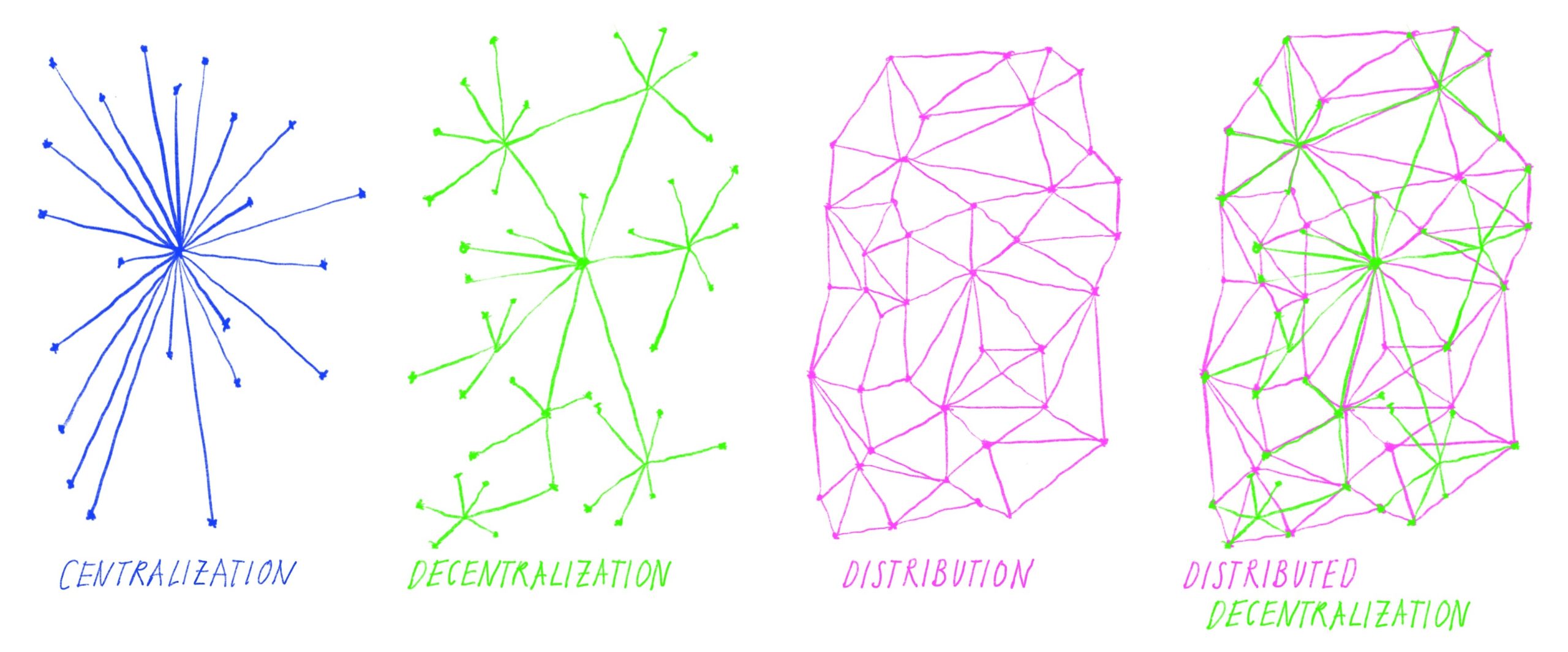
In the modern digital landscape, data is the lifeblood of enterprise operations. Whether you are managing financial transactions, supply chain logs, or proprietary user records, the ledger is the single source of truth. However, the internet is not infallible. Localized outages, hardware failures, and network congestion can render a centralized database inaccessible, leading to costly downtime and data synchronization nightmares.
This is where high-availability (HA) clusters become essential. By distributing ledger operations across multiple nodes—often geographically dispersed—organizations can ensure that their data remains accessible, consistent, and secure even when segments of the network go dark. This article explores how to architect and maintain HA clusters to guarantee that your ledger remains the backbone of your business, regardless of external connectivity challenges.
Key Concepts
A high-availability cluster is a group of interconnected computers (nodes) that work together to provide reliable service. In the context of a ledger, the goal is to achieve uptime, which is typically measured in “nines” (e.g., 99.999% availability).
Redundancy: This is the foundation of HA. You do not rely on one server; you rely on many. If one node fails, another takes over its workload instantly.
Failover: This is the automated process of transferring operations from a primary node to a standby node. In a high-availability ledger system, this must happen without manual intervention to prevent data gaps.
Consensus Mechanisms: Because you have multiple nodes, you need a way to ensure they all agree on the current state of the ledger. Protocols like Raft or Paxos are frequently used to manage the “leader” node and ensure that all writes are committed across the cluster before being confirmed.
Partition Tolerance: This refers to the system’s ability to continue operating despite a network partition—a scenario where nodes cannot communicate with each other due to a local internet outage.
Step-by-Step Guide: Architecting an HA Ledger Cluster
Define Your Quorum Requirements: Determine how many nodes must be online to validate a transaction. A common setup involves an odd number of nodes (e.g., 3, 5, or 7) to ensure that a majority can always be established, preventing “split-brain” scenarios where two parts of a cluster think they are the leader.
Deploy Across Availability Zones: Do not host all your nodes in one data center. Distribute them across different geographic regions or distinct network providers. This ensures that a localized internet outage in one city does not take down your entire infrastructure.
Implement Load Balancing: Use an intelligent load balancer that performs health checks. If a node stops responding, the load balancer should automatically reroute traffic to healthy nodes.
Automate State Synchronization: Use a distributed consensus algorithm. Ensure that every transaction is logged in a Write-Ahead Log (WAL) and replicated to other nodes before being marked as “committed.”
Establish Automated Failover Protocols: Configure your cluster management software (such as Pacemaker or Corosync) to promote a follower node to leader status immediately upon detecting the primary node’s heartbeat failure.
Perform Regular “Chaos” Testing: Simulate network outages by intentionally disconnecting nodes. This confirms that your failover logic works as expected under pressure.
Examples and Real-World Applications
Consider a large-scale financial services company that processes millions of transactions daily. If their ledger goes offline, they lose revenue and erode customer trust.
“By utilizing a multi-region HA cluster, we were able to maintain ledger integrity during a massive ISP outage that affected 40% of our primary data center’s traffic. Because our nodes were distributed, the secondary and tertiary nodes picked up the load, and the ledger remained accessible without a single dropped transaction.” — Systems Architect, Global FinTech Firm
Another application is in logistics. A global shipping firm tracks inventory via a distributed ledger. When a regional hub loses internet connectivity, the local node caches the data. Once connectivity is restored, the node automatically synchronizes its local ledger with the rest of the cluster using conflict-resolution protocols, ensuring that the global database remains accurate.
Common Mistakes
Ignoring “Split-Brain” Risks: Failing to configure a proper quorum leads to a situation where two nodes both believe they are the leader, resulting in conflicting ledger entries.
Underestimating Latency: Replicating ledger data across the globe increases latency. If your consensus protocol is too strict, performance will suffer. Balance consistency with performance.
Static Heartbeat Thresholds: Setting the failure detection time too low can cause “flapping,” where a node is removed from the cluster due to a temporary network blip, causing unnecessary failover events.
Lack of Backup Verification: Assuming that your HA cluster replaces the need for backups is a dangerous fallacy. HA protects against availability issues, not data corruption or accidental deletion.
Advanced Tips
To take your HA cluster to the next level, focus on observability. You cannot manage what you cannot measure. Implement distributed tracing to monitor how long it takes for a transaction to propagate across your cluster nodes. If propagation times spike, it is often a leading indicator of an impending network failure.
Furthermore, consider Anycast routing. By using Anycast, you can advertise the same IP address from multiple locations. If a network outage occurs, internet routing protocols (BGP) will automatically route traffic to the nearest reachable node in your cluster, providing a seamless experience for end-users without them ever realizing a failure occurred.
Finally, invest in immutable logging. Ensure that your ledger nodes cannot modify previous entries. Even in the event of a compromised node, immutability ensures that the historical data remains untampered and verifiable, which is critical for compliance and auditing.
Conclusion
High-availability clusters are not merely a luxury; they are a necessity for any business that relies on a digital ledger. By architecting for redundancy, enforcing strict consensus, and planning for the inevitability of network instability, you ensure that your business remains operational regardless of local internet conditions.
The key takeaway is that availability is a continuous process of design and testing. Start by mapping your nodes across diverse geographies, automate your failover procedures, and never stop monitoring the health of your consensus. When you treat your ledger as a distributed, living entity rather than a static database, you build a foundation of resilience that can weather the most unpredictable digital storms.