
Outline
- Introduction: The shift from “move fast and break things” to “safety-first governance.”
- Key Concepts: Defining the “Stop-Work Authority” (SWA) and the role of the safety engineer.
- Step-by-Step Guide: How to integrate mandatory halt-authority into CI/CD pipelines.
- Real-World Applications: Aviation, automotive (ISO 26262), and critical infrastructure.
- Common Mistakes: Cultural resistance, lack of documentation, and “paper-tiger” policies.
- Advanced Tips: Automating the halt and building a “blame-free” post-mortem culture.
- Conclusion: Why professional integrity is the ultimate safeguard.
The Safety Engineer’s Veto: Why Mandatory Halt Authority is the Bedrock of Modern Governance
Introduction
For decades, the tech industry operated under a mantra of velocity: “Move fast and break things.” While this mindset fueled the rapid growth of the digital economy, it also created significant technical debt and, more alarmingly, catastrophic systemic failures. Today, as software dictates the operations of critical infrastructure, autonomous vehicles, and global financial markets, the paradigm has shifted. Governance is no longer a bureaucratic checkbox; it is the fundamental framework that ensures software reliability.
At the center of this evolution is the safety engineer. To effectively mitigate risk, safety engineers must possess the formal authority to halt deployments based on audit failures. This is not merely an operational suggestion—it is a critical governance mandate. When an engineer’s ability to stop a dangerous deployment is protected by policy, they cease to be just an observer and become the primary guardian of organizational integrity. In this article, we explore why this authority is vital and how your organization can implement it to bridge the gap between agility and safety.
Key Concepts: The Anatomy of a Veto
The concept of “Stop-Work Authority” (SWA) originates from high-reliability industries like offshore drilling, aviation, and nuclear engineering. In these fields, if a safety protocol is violated, the most junior person on the floor has the right—and the obligation—to halt operations until the risk is mitigated. In software engineering, this translates to the Safety Veto.
A safety veto is a governance mechanism where an independent safety engineer reviews audit trails, code quality reports, or security logs against a predefined set of safety gates. If the software fails to meet these criteria, the engineer has the absolute authority to block the deployment pipeline. This authority is not personal; it is institutional. It removes the pressure from the engineer to “just get it done” and places the burden of risk management on the architecture and the governance process itself.
Crucially, this authority relies on three pillars: Independence (reporting lines that bypass product delivery managers), Transparency (clear, objective audit criteria), and Accountability (a non-punitive environment for exercising the veto).
Step-by-Step Guide: Implementing Halt-Authority
Implementing a safety-veto system requires more than just a policy document; it requires a systemic change to your CI/CD workflow.
- Define Quantitative Safety Gates: You cannot halt a deployment based on a “gut feeling.” Establish objective metrics (e.g., zero critical CVEs, 95% test coverage, successful regression of fail-safe modules). These are your “Hard Gates.”
- Decouple Safety from Delivery: Governance fails when the person responsible for the delivery deadline also controls the safety audit. Ensure safety engineers have a reporting structure that maintains separation from product management.
- Integrate the “Stop” Mechanism into CI/CD: Use automated governance tools (like Open Policy Agent or custom gatekeepers) that require a digital sign-off from the safety team before the deployment pipeline can move from staging to production.
- Establish a Dispute Resolution Process: When an engineer halts a deployment, it often causes tension. Create a pre-defined, high-level technical review board that can convene within hours to resolve disagreements if the safety concern is contested.
- Document the Audit Trail: Every veto must be logged. This ensures that the organization learns from the failure and that the safety engineer is protected from retaliation by providing a clear, evidence-based record of the hazard that was prevented.
Real-World Applications
The most robust implementations of safety authority are found where human lives are at stake. Consider the Automotive Industry (ISO 26262). In autonomous driving software, a safety engineer is tasked with ensuring “Functional Safety.” If a software update shows a variance in sensor-fusion reliability, the safety engineer has the authority to stall the push to the vehicle fleet. The cost of a recall or a crash far outweighs the revenue lost by delaying the feature update for a week.
Similarly, in Financial Technology (FinTech), specifically in algorithmic trading, a safety engineer can trigger a “circuit breaker.” If the system’s behavior during a smoke test deviates from expected volatility parameters, the deployment is blocked. By forcing a stop, the engineer prevents the potential for “flash crashes” caused by erroneous code propagating through high-frequency trading engines.
Common Mistakes: Why Governance Often Fails
Even with good intentions, organizations frequently stumble when implementing halt-authority. Avoiding these common traps is essential for success.
- The “Paper-Tiger” Policy: A policy that looks good on paper but lacks enforcement. If an engineer attempts to halt a deployment and is overruled by a VP without a formal review, the power of the safety mandate is destroyed.
- Lack of Documentation: If a safety engineer blocks a release without citing specific, audit-based criteria, they appear obstructionist. Always tether the halt to specific audit failures or regulatory non-compliance.
- Punitive Culture: If engineers are blamed for the cost of a delay, they will be afraid to use their authority. Governance must emphasize that a “stopped” release is a success—an avoided failure.
- Scope Creep: Using the safety veto to stop deployments for subjective reasons (e.g., “I don’t like this feature”) rather than objective safety failures. This erodes trust between engineering and safety teams.
Advanced Tips: Scaling Safety and Accountability
To move beyond basic implementation, focus on Automated Governance. The best safety engineers in the world are those who build systems that stop themselves. If your audit checks are automated, the “halt” happens at the push of a button before the engineer even needs to intervene. This removes the social friction of having to “say no” to a colleague.
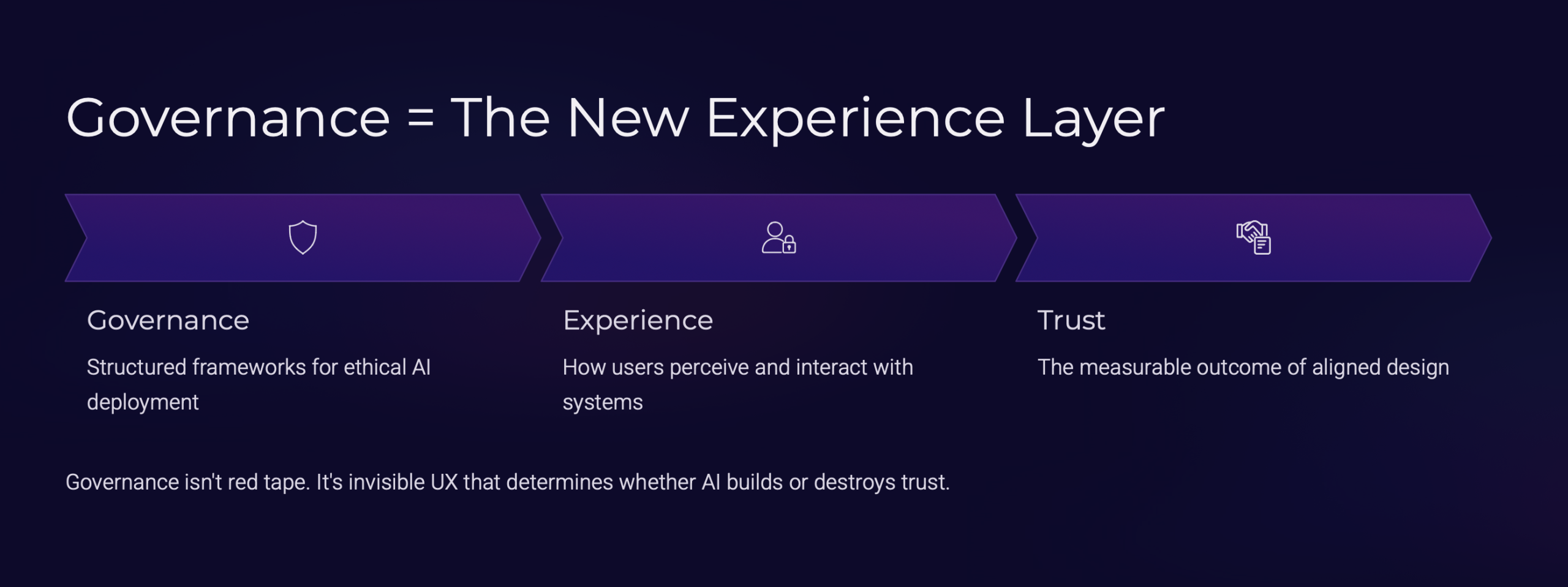
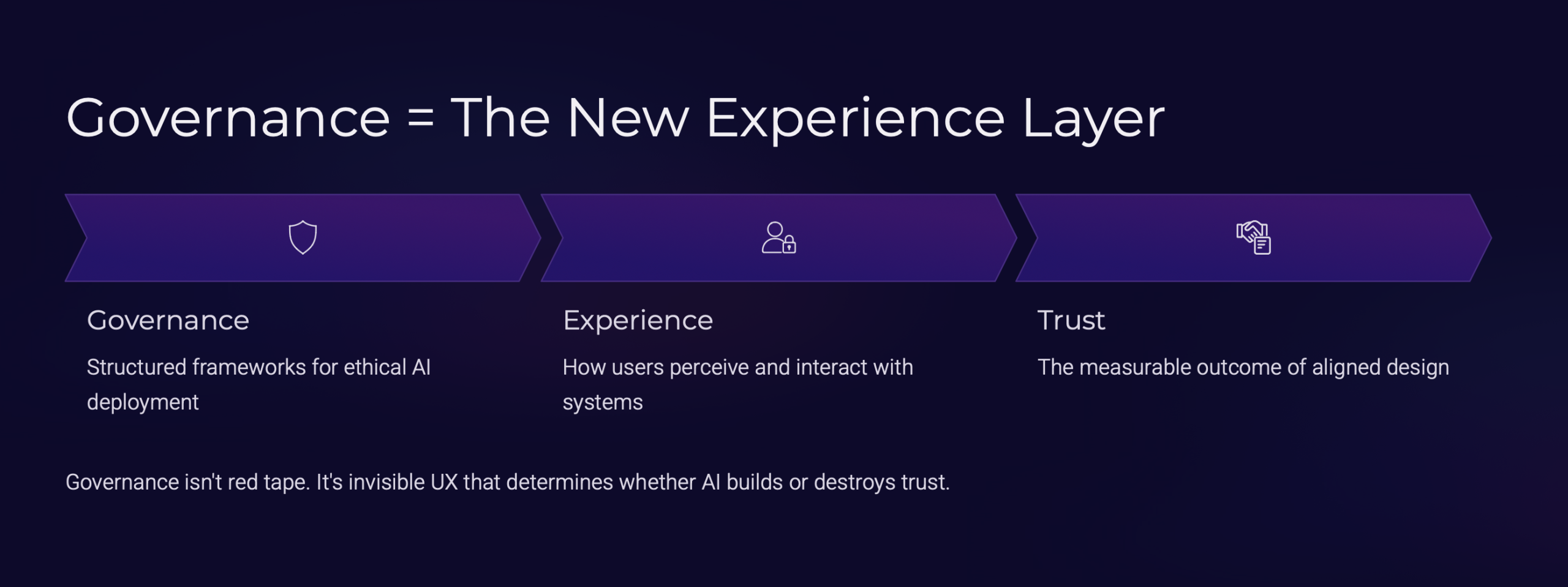
The most effective governance is invisible. When the deployment pipeline automatically rejects a build that fails a security audit, you have achieved a state of high-reliability, where safety is baked into the fabric of the organization rather than being a human-imposed obstacle.
Additionally, foster a Blame-Free Post-Mortem Culture. When a deployment is halted, treat it as an educational event. What part of the process allowed the unsafe code to reach the final gate? Was it an environment configuration issue? Was it a testing gap? By treating the veto as a learning opportunity, you turn the “halt” into a collaborative improvement effort rather than a conflict.
Conclusion
Governance structures that mandate a safety engineer’s authority to halt deployments are not roadblocks to progress; they are the stabilizers that allow a company to innovate at scale. In an era where software reliability is synonymous with institutional reputation, this authority is the primary defense against systemic failure.
By defining objective metrics, separating safety reporting lines, and fostering a culture that celebrates avoided risks, organizations can transform safety engineers from “policemen” into “architects of reliability.” Remember, the goal is not to stop deployments—the goal is to ensure that when a deployment happens, it is safe, secure, and ready to perform. Ultimately, the authority to halt is the highest form of professional integrity, protecting both the customer and the company from the consequences of avoidable disaster.



Leave a Reply