1. Introduction: Defining the transition from centralized hierarchies to decentralized consensus. 2. Key Concepts: Explaining the mechanics of consensus algorithms (PoW, PoS, DPoS) and governance protocols. 3. The Nexus of Governance and Consensus: How resource allocation shifts from administrative decree to algorithmic execution. 4. Step-by-Step Guide: Implementing a decentralized governance framework (Proposal, Discussion, Voting, Execution). 5. Real-World Applications: Case studies in DAO treasury management and protocol upgrades. 6. Common Mistakes: Identifying pitfalls like voter apathy, plutocracy, and security vulnerabilities. 7. Advanced Tips: Optimizing for quadratic voting and delegation models. 8. Conclusion: The future of autonomous resource management.
***
Governance Structures and the Evolution of Decentralized Consensus
Introduction
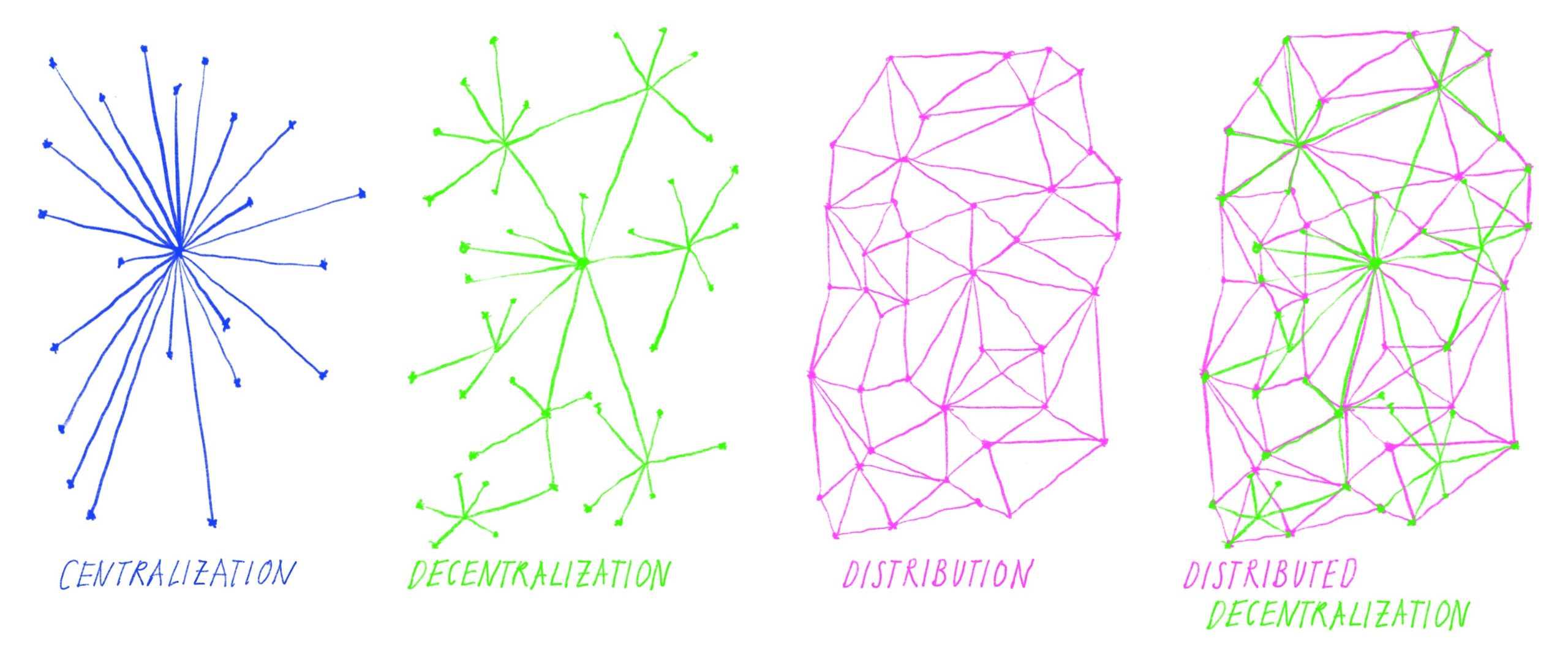
For centuries, human coordination has relied on hierarchical governance. Whether in corporate boardrooms or governmental institutions, resources are allocated through top-down mandates. However, the emergence of blockchain technology has introduced a paradigm shift: decentralized consensus. By removing the need for a central authority, organizations are now able to manage capital, human effort, and digital assets through immutable, transparent algorithms.
Understanding this transition is essential for any professional navigating the digital economy. Decentralized governance isn’t just about cryptocurrency; it represents a new way to solve the “coordination problem.” When consensus algorithms replace middle management, the result is a system defined by verifiable logic rather than subjective power. This article explores how these structures function and how you can implement them to achieve objective resource allocation.
Key Concepts
At its core, a decentralized governance structure is built upon a consensus algorithm. A consensus algorithm is a set of rules that allow a distributed network of computers to agree on the state of a ledger or the outcome of a decision without a central coordinator.
In the context of governance, we look at several primary mechanisms:
Proof of Work (PoW): While primarily used for security, PoW establishes the “truth” through computational energy, ensuring that resources are not double-spent.
Proof of Stake (PoS): This model aligns incentives by requiring participants to “stake” their own capital to participate in governance, ensuring that those with the most skin in the game steer the direction of the resource allocation.
Delegated Proof of Stake (DPoS): A representative democracy model where stakeholders vote for a limited number of delegates to handle the consensus and resource allocation tasks on their behalf, increasing efficiency.
When these algorithms are integrated into a Decentralized Autonomous Organization (DAO), the governance structure becomes programmatic. Instead of waiting for a committee to approve a budget, the smart contract automatically releases funds once a predefined threshold of community consensus is met.
The Nexus of Governance and Consensus
Resource allocation is the most difficult challenge in any organization. Traditionally, this is prone to human bias, corruption, or simple administrative inefficiency. Decentralized consensus solves this by codifying intent. Once a community agrees on a set of rules—such as “only allocate funds if 60% of voters agree”—the algorithm ensures that this rule is enforced regardless of who initiates the proposal.
This creates a trustless environment. Stakeholders do not need to trust the administrators; they only need to trust the underlying code and the cryptographic proofs that sustain the network. This removes the administrative overhead of auditing and verification, as the consensus mechanism provides a real-time, transparent audit of all resource movements.
Transitioning to a decentralized model requires a rigorous framework to ensure the system remains secure and functional. Follow these steps to establish a governance structure:
Define the Stakeholder Parameters: Determine who has the right to vote. Will it be based on token ownership, reputation points, or proof of contribution? Clearly define the “weight” of each participant.
Establish the Proposal Mechanism: Create an interface where stakeholders can submit proposals for resource allocation. This should include a description of the project, the amount requested, and the expected output.
Implement a Discussion Period: Before a vote occurs, there must be a mandatory period for public debate. This prevents “flash” governance attacks where malicious actors push through proposals without oversight.
Execute the Consensus Vote: Utilize an on-chain voting platform. Ensure that the consensus algorithm tracks the vote count accurately and prevents double-voting through cryptographic verification.
Automate Execution: If the proposal meets the consensus threshold, the smart contract should trigger the release of resources automatically. This removes the “human bottleneck” from the final step of the process.
Examples or Case Studies
The most prominent example of this structure is the MakerDAO protocol. MakerDAO manages a decentralized reserve of billions of dollars in assets. Instead of a CEO deciding how to manage risk, the community uses governance tokens to vote on “stability fees” and collateral types. The consensus algorithm then adjusts the protocol parameters automatically.
The power of this system lies in its ability to manage massive global liquidity without a single point of failure or an executive body that can be coerced.
Another example is Gitcoin, which uses quadratic voting to allocate funding for open-source projects. By using an algorithm that favors the breadth of support over the depth of a single donor’s wallet, the platform creates a more democratic and efficient distribution of grants, ensuring that smaller, vital projects receive funding they might otherwise miss in a traditional hierarchical system.
Common Mistakes
Even with robust technology, decentralized systems can fail due to poor design. Avoid these common traps:
Voter Apathy: If the barrier to voting is too high or the rewards are too low, participation drops. This allows a small, motivated group to capture the governance structure.
Plutocracy: In systems where voting power is purely tied to capital, the wealthy can dictate all resource allocation. Always include secondary mechanisms, such as “one-person-one-vote” or identity-based reputation.
Security Vulnerabilities in Smart Contracts: If the code that executes the consensus is flawed, the organization can be drained of its resources. Rigorous code auditing is non-negotiable.
Ignoring Off-Chain Social Consensus: Governance is not just code. If the community is fundamentally divided, the technical consensus will fail to resolve the underlying social conflict.
Advanced Tips
To move beyond basic governance, consider implementing these sophisticated strategies:
Quadratic Voting: This is a method where the cost of a vote increases quadratically (1 vote costs 1 token, 2 votes cost 4 tokens, 3 votes cost 9 tokens). This drastically reduces the influence of “whales” and incentivizes participants to vote only on issues they care deeply about.
Liquid Democracy (Delegated Voting): Allow participants to delegate their voting power to experts in specific fields. If you don’t understand the technical aspects of a proposal, you can delegate your vote to a trusted developer, but you can revoke that power at any time if you disagree with their choices.
Time-Locked Governance: Delay the execution of any governance decision by 48 to 72 hours. This provides a “circuit breaker” period where, if a malicious proposal is passed, the community has a window to pause the protocol or exit the system before the funds are moved.
Conclusion
Governance structures that leverage decentralized consensus are fundamentally changing how we organize, allocate resources, and cooperate at scale. By replacing the fallibility of human decision-making with the precision of algorithmic consensus, organizations can become more transparent, efficient, and resilient.
However, technology is only one half of the equation. Success in this space requires a deep understanding of incentive design and community management. As these systems continue to evolve, they offer a blueprint for a future where institutions are not managed by the few, but by the coordinated consensus of the many. Start small, audit your code, and always prioritize the long-term stability of the protocol over short-term gains.