1. Introduction: The paradox of decentralization and the challenge of token concentration. 2. Key Concepts: Understanding governance tokens, the “Whale” problem, and the mechanism of distribution caps. 3. Step-by-Step Guide: How to design a balanced distribution strategy (initial allocation, vesting, and community incentives). 4. Examples: Analyzing successful models (e.g., Uniswap’s retroactive drop vs. early VC-heavy models). 5. Common Mistakes: The pitfalls of ignoring liquidity providers or failing to account for Sybil attacks. 6. Advanced Tips: Implementing quadratic voting and reputation-based governance to augment distribution caps. 7. Conclusion: Why equitable distribution is the foundation of long-term DAO sustainability.
***
The Governance Paradox: Why Capping Token Distribution is Essential for DAO Longevity
Introduction
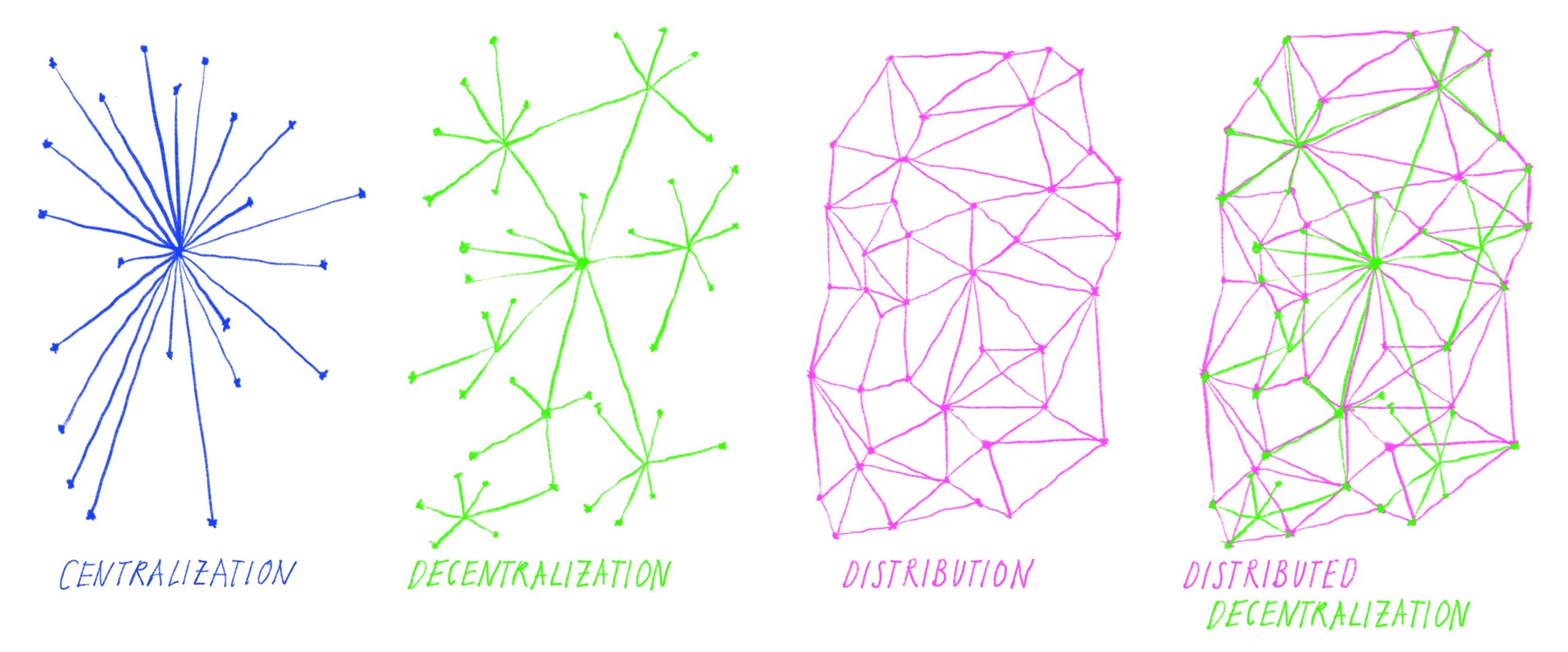
Decentralized Autonomous Organizations (DAOs) promise a future where power is distributed, transparent, and community-driven. However, the reality often falls short of this ideal. When governance tokens are distributed without constraints, a phenomenon known as “token concentration” occurs. This inevitably leads to plutocracy, where those with the most capital dictate the future of a protocol, effectively mimicking the centralized financial systems that blockchain was meant to replace.
Capping governance token distribution is not merely a technical constraint; it is a fundamental design choice required to protect the integrity of decentralized decision-making. By preventing the concentration of influence among a small group of “whales,” protocols can foster a more resilient, diverse, and engaged ecosystem. This article explores how to implement these caps effectively and why they are the bedrock of sustainable governance.
Key Concepts
At its core, a governance token grants the holder the right to vote on protocol upgrades, treasury allocations, and strategic direction. In an unregulated distribution model, early investors, venture capitalists, and high-net-worth individuals often acquire the lion’s share of the supply.
The “Whale” Problem: When a small cohort holds 51% or more of the voting power, the DAO ceases to be decentralized. This allows a single entity or a small group to push through proposals that benefit their own portfolios at the expense of the long-term health of the protocol.
Distribution Caps: A distribution cap acts as a circuit breaker. It limits the amount of voting power a single wallet or entity can accumulate or exercise at any given time. These caps are usually implemented via smart contracts and can take several forms, including individual holding limits, epoch-based voting power decay, or tiered voting weight systems.
Step-by-Step Guide: Designing a Balanced Distribution Strategy
Building a fair governance model requires moving away from the “one token, one vote” paradigm toward a more nuanced approach. Follow these steps to structure your protocol’s distribution.
Establish Clear Allocation Buckets: Segment your total token supply into distinct categories: Treasury, Liquidity Mining, Community Grants, and Core Contributors. Ensure the community-facing buckets exceed the sum of investor and team allocations.
Implement Vesting Schedules: Never release the full allocation of governance tokens upfront. Use long-term vesting (3–4 years) for core contributors to ensure their interests remain aligned with the protocol’s success over time.
Define Individual Holding Caps: Introduce a “soft cap” on how many tokens a single address can stake for governance. If an address exceeds this cap, their excess tokens should yield rewards but offer zero additional voting weight.
Incorporate Anti-Sybil Mechanisms: Use off-chain verification or proof-of-humanity protocols to ensure that one person cannot create multiple wallets to bypass distribution caps.
Monitor and Iterate: Governance is dynamic. Build in an “upgradeability” feature in your governance smart contract that allows the DAO to vote on adjusting distribution parameters if concentration metrics exceed a defined threshold.
Examples or Case Studies
The history of DeFi governance provides clear lessons on what works and what fails.
The Uniswap Model: Uniswap’s UNI token launch is widely considered a benchmark for distribution. By retroactively distributing tokens to users who had interacted with the protocol prior to the announcement, they effectively decentralized the base of power from day one. By putting tokens directly into the hands of active users rather than just liquidity providers or investors, they created a governance base that was deeply invested in the protocol’s utility.
The “VC-Heavy” Pitfalls: Several early-stage DeFi protocols opted for high-percentage allocations to private investors. In these cases, the governance forums became ghost towns, as the community felt their votes were mathematically irrelevant compared to the massive blocks held by institutional investors. This led to a lack of community trust, resulting in lower engagement and, ultimately, lower protocol adoption.
Common Mistakes
Neglecting Liquidity Providers: If distribution is focused solely on token holders, you alienate the people actually providing the utility to the protocol. Always ensure active participants are rewarded with governance rights.
Ignoring Sybil Attacks: Attackers often split large token holdings into hundreds of smaller wallets to circumvent holding caps. If your distribution mechanism doesn’t account for on-chain identity or behavior analysis, your caps are effectively useless.
Lack of Transparency: Failing to disclose the exact vesting schedules and distribution percentages of core teams creates suspicion. Transparency is the only way to earn the trust of a decentralized community.
Static Governance: Governance is not a “set it and forget it” process. Protocols that fail to revisit their voting models as the ecosystem grows often find themselves stuck with outdated rules that no longer reflect the community’s needs.
Advanced Tips
To truly decentralize, you must move beyond simple caps and explore more sophisticated governance structures.
The goal of a DAO is not to eliminate wealth, but to eliminate the ability of wealth to unilaterally dictate the future of a public good.
Quadratic Voting: This is perhaps the most effective tool for balancing influence. Under a quadratic voting system, the cost of each additional vote increases exponentially. This allows users with smaller holdings to exert more influence than they would in a standard “one token, one vote” system, while still allowing large holders to express their preferences.
Reputation-Based Governance: Instead of relying solely on token ownership, consider integrating a reputation score based on past contributions, duration of participation, or successful proposals. This ensures that those who have proven their commitment to the protocol hold more sway than those who simply purchased tokens on the open market.
Delegation Democracy: Encourage the delegation of voting power to subject-matter experts. By making it easy for users to delegate their tokens to active, informed community members, you increase the quality of decision-making and prevent “voter apathy,” which often leaves the door open for whales to dominate.
Conclusion
Governance token distribution is the most critical lever a DAO has to define its character and ensure its future. By capping individual influence and prioritizing active participation over passive capital, protocols can create a sustainable environment where the best ideas—not the deepest pockets—win.
The path to true decentralization is a journey, not a destination. It requires constant vigilance, transparent communication, and a willingness to adapt governance structures as the protocol evolves. By implementing thoughtful distribution caps and fostering a culture of active stewardship, you aren’t just launching a token; you are building a resilient, self-governing community capable of thriving in an increasingly decentralized world.