Architecting Accountability: A Practical Guide to Governance, Policy, and Compliance
Introduction
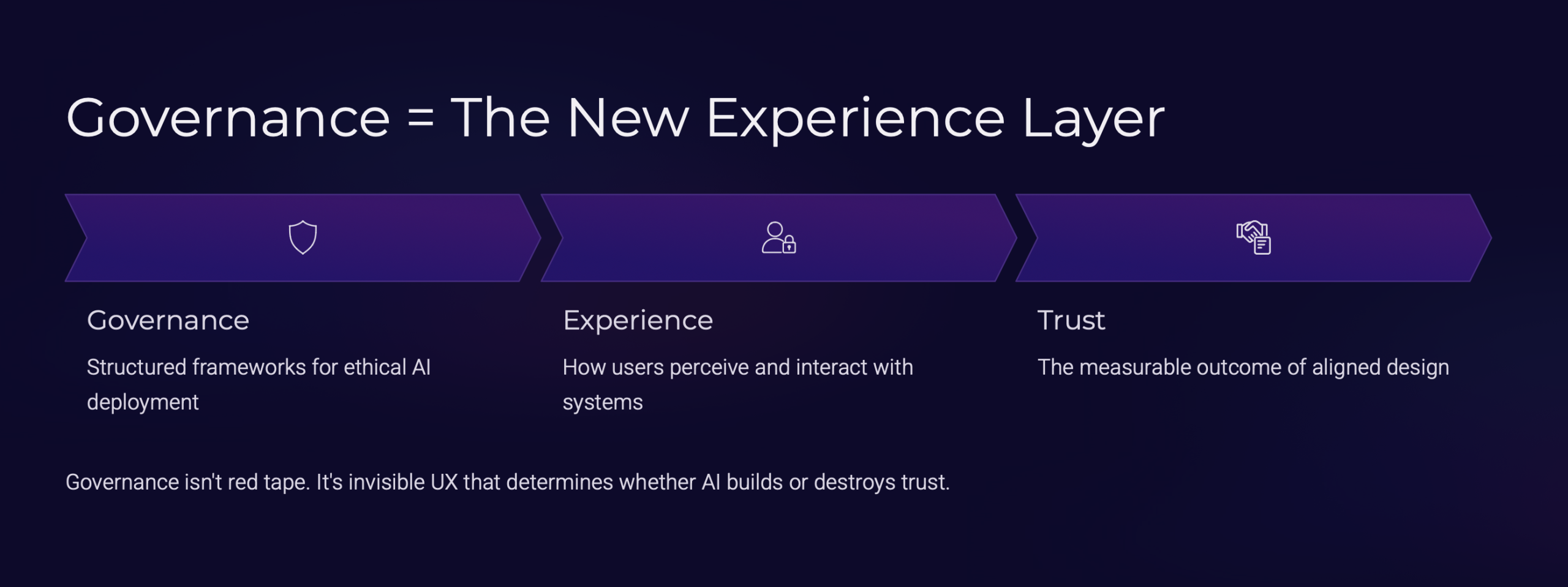
In the modern business landscape, “governance” is often dismissed as bureaucratic red tape—a necessary evil reserved for legal departments and auditors. However, when viewed through a strategic lens, a robust governance framework is the single most effective tool for scaling operations without losing control. It provides the “rules of the road” that allow teams to move fast while mitigating the existential risks of data breaches, regulatory fines, and operational failure.
Whether you are managing a startup aiming for Series B funding or an established enterprise navigating complex industry regulations like GDPR, HIPAA, or SOC2, your ability to document and enforce policies determines your organizational resilience. This article explores how to bridge the gap between abstract compliance requirements and the practical, day-to-day documentation that keeps a business running smoothly.
Key Concepts
To build an effective system, you must first distinguish between the three pillars of institutional control:
Governance Frameworks: This is the “What” and “Why.” It defines the decision-making structure, the hierarchy of authority, and the overarching goals of the organization. A framework (such as COBIT or ISO 27001) provides the blueprint for how your company ensures that IT and business goals align.
Policy Documentation: This is the “How.” Policies translate the high-level goals of the framework into actionable directives. They define acceptable behavior, such as password complexity requirements, data handling procedures, or procurement approval limits.
Compliance Requirements: This is the “Must.” These are the external mandates imposed by law, industry bodies, or contractual obligations. Compliance is the objective evidence—the logs, signed acknowledgments, and audit trails—that proves you are following your own internal policies and the law.
Think of it as a house: Governance is the architectural plan, Policy is the building code and construction manual, and Compliance is the safety inspection confirming the house was built correctly.
Step-by-Step Guide: Building Your Framework
Assess Your Landscape: Identify which regulations apply to your industry. Do not try to be compliant with everything. Focus on the core requirements—such as PCI-DSS for payment processing or GDPR for data privacy—that represent your highest risk of legal liability.
Define Your Framework: Choose a recognized standard to model your governance after. Using an established framework like NIST or ISO saves time because these models have already accounted for common pitfalls.
Draft Policy Documentation: Keep policies human-readable. A common mistake is writing “legal-ese” that no employee can understand. If a policy is too dense to be read in five minutes, it will not be followed. Use simple language and clear expectations.
Implement Operational Controls: Turn policy into process. If you have a policy that requires “Access Review,” the control should be an automated ticketing system that forces managers to approve access every 90 days. If it isn’t automated, it isn’t scalable.
Continuous Monitoring and Audit: Establish a cadence for internal audits. Do not wait for an external auditor to find a gap. Perform “dry run” audits quarterly to ensure that your documentation matches reality.
Examples and Case Studies
Consider a mid-sized SaaS company attempting to achieve SOC2 Type II certification. Initially, they operated on “tribal knowledge”—employees knew how to secure data because they were told to, but nothing was written down. When the audit approached, they failed the “Logical Access” control because they couldn’t prove who had administrative rights to their production database.
To rectify this, the company implemented a “Policy-as-Code” approach. They defined access requirements in a configuration file within their Git repository. Now, when an employee needs elevated access, a pull request is created, requiring approval from two senior engineers. This action automatically updates the access logs, providing the auditor with a timestamped, tamper-proof record of compliance.
This shifted compliance from a “manual administrative chore” to a “natural byproduct of their development workflow.”
Common Mistakes
The “Set It and Forget It” Syndrome: Policies drafted once and filed in a dusty digital folder are useless. Review your policies at least annually to ensure they reflect current software stacks and operational realities.
Over-Engineering Controls: Implementing security measures that are too strict leads to “shadow IT.” If your file-sharing policy is too difficult to follow, employees will resort to personal Dropbox accounts, creating a massive security vulnerability.
Ignoring Training: Documentation is worthless if employees aren’t aware of it. Compliance is a cultural issue, not just a technical one. Regular, non-punitive training sessions are essential to embed these habits into the daily workflow.
Confusing Policy with Procedure: A policy says what must happen (e.g., “All laptops must be encrypted”). A procedure says how to do it (e.g., “Go to settings, click security, enable FileVault”). Mixing these two often leads to confusion. Keep them separate.
Advanced Tips
To move from baseline compliance to mature governance, look toward automation. Modern compliance platforms (often called “GRC platforms”) integrate directly with your cloud environment (AWS, Azure, Google Cloud). Instead of taking manual screenshots to prove to an auditor that your servers are encrypted, these tools pull real-time data from your APIs.
Additionally, focus on Evidence Collection. In the eyes of an auditor, “if it wasn’t documented, it didn’t happen.” Train your department heads to maintain a “compliance folder” where they deposit evidence of policy adherence—such as meeting minutes for security reviews or screenshots of software updates—throughout the year. This transforms the stressful audit month into a simple review of existing artifacts.
Finally, align your compliance efforts with business growth. View security and governance as a competitive advantage. When you can provide a prospective enterprise client with a clean SOC2 report, you shorten the sales cycle by weeks. Governance isn’t just about keeping the government happy; it’s about proving to the market that you are a reliable partner.
Conclusion
Governance frameworks, policy documentation, and compliance requirements form the backbone of a professional, scalable, and secure organization. While the terminology can feel intimidating, the core philosophy is simple: define your rules clearly, automate their enforcement wherever possible, and maintain an audit trail that proves your intent and execution.
Do not strive for perfection on day one. Start by documenting your most critical business processes, align them with a recognized framework, and refine them through continuous improvement. By treating compliance as a continuous operational habit rather than a one-time project, you protect your company from risk and position it for long-term sustainable growth.