1. Introduction: The AI Gold Rush vs. The Reality of Risk. Why governance isn’t just policy; it’s operational infrastructure. 2. Key Concepts: Defining the pillars of AI Governance (Accountability, Transparency, Fairness, and Security). 3. Step-by-Step Guide: Implementing an AI Governance Framework (Assessment, Oversight, Testing, Monitoring). 4. Real-World Applications: Examples from Finance (Bias mitigation in lending) and Healthcare (Diagnostic transparency). 5. Common Mistakes: The “Set it and forget it” trap, lack of cross-functional buy-in, and compliance silos. 6. Advanced Tips: Implementing Human-in-the-Loop (HITL) systems, version control for data lineage, and algorithmic impact assessments. 7. Conclusion: Moving from ethical statements to operational reality.
***
Navigating the AI Frontier: Why Governance Frameworks Are Your Operational Backbone
Introduction
The race to deploy Artificial Intelligence is no longer a sprint; it is an endurance test. Organizations worldwide are rushing to integrate machine learning models, generative AI, and automated decision-making systems into their core operations. However, for every success story, there is a cautionary tale of AI gone wrong—hallucinating models, biased recruitment algorithms, and data privacy catastrophes.
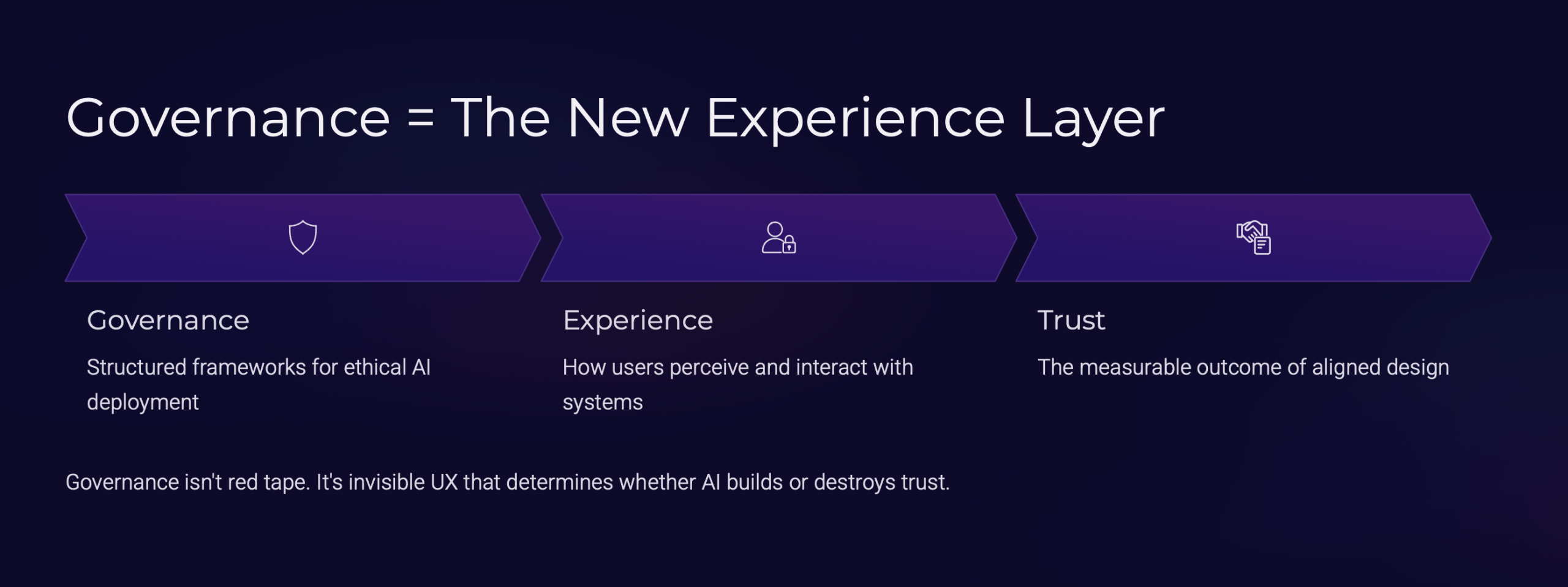
Governance frameworks are the essential guardrails that prevent innovation from descending into liability. They are not merely bureaucratic hurdles meant to slow progress; they are the architectural blueprints that ensure AI systems are reliable, legally compliant, and ethically sound. By establishing these boundaries, organizations can move beyond experimentation and into sustainable, scalable deployment. In this guide, we explore how to turn abstract governance concepts into a tangible operational strategy.
Key Concepts: The Pillars of AI Governance
To implement effective governance, you must first understand the fundamental pillars that support a robust framework. These are the non-negotiable standards that define your AI deployment:
Accountability: Every AI system must have a clear chain of custody. Someone—a human, not a model—must be ultimately responsible for the outputs generated by the machine.
Transparency (Explainability): Black-box models are a liability. If you cannot explain why a system reached a specific conclusion, you cannot effectively audit or defend it.
Fairness: This involves rigorous testing to identify and mitigate bias in training data. If your data mirrors historical inequalities, your AI will automate and scale those prejudices.
Robustness and Security: AI systems are targets. Governance must include protection against “prompt injection” attacks, adversarial inputs, and model poisoning.
Step-by-Step Guide: Building Your Framework
Governance is not a static document; it is a lifecycle. Follow these steps to build an actionable framework within your organization.
Establish an AI Ethics Committee: Assemble a cross-functional team including legal counsel, data scientists, risk officers, and business unit leaders. Diversity in the room leads to better blind-spot detection.
Inventory Your AI Assets: You cannot govern what you cannot see. Maintain a centralized register of all deployed models, including their intended purpose, training data sources, and performance metrics.
Conduct Algorithmic Impact Assessments (AIAs): Before deploying a model, perform a formal impact assessment. Ask: What happens if this model fails? Who is harmed? Does it comply with regional regulations like the EU AI Act or local privacy laws?
Define Operational Thresholds: Set concrete performance metrics for deployment. For example, specify the exact precision, recall, or drift tolerance levels required for a model to remain in production.
Implement Human-in-the-Loop (HITL) Protocols: For high-stakes decisions (such as credit approval or medical diagnosis), mandate that an automated output requires human review before taking action.
Continuous Auditing: Establish a cadence for re-testing models. AI models degrade over time as real-world data drifts from training data. Governance is an ongoing monitoring process, not a one-time approval.
Examples and Real-World Applications
Effective governance turns risk into a competitive advantage by building trust with stakeholders and customers.
Consider the financial services industry. A bank deploying a credit-scoring model must adhere to strict regulatory requirements regarding non-discrimination. By implementing a governance framework, the bank requires that the model’s decision-making process is “explainable”—meaning they can provide the customer with the specific factors that led to a loan rejection. This transparency doesn’t just satisfy regulators; it improves customer experience and reduces the likelihood of legal action.
In healthcare, an AI system used for diagnostic imaging is governed by clinical safety standards. The framework requires that the model be trained on diverse datasets and that its output is presented as a “recommendation” rather than a definitive diagnosis. This distinction ensures the physician remains the final decision-maker, maintaining both medical ethics and legal compliance while leveraging the speed of AI analysis.
Common Mistakes to Avoid
The “Set It and Forget It” Trap: Treating governance as a pre-launch checklist rather than a continuous operational requirement is a major failure. Model drift is inevitable; governance must be too.
Compliance Silos: Leaving AI governance solely to the legal team is a mistake. Data scientists must be deeply involved in the ethical design phase, and business leads must understand the constraints of the models they are deploying.
Over-Engineering Bureaucracy: If your governance framework is too complex, your teams will find ways to bypass it. Keep the process streamlined and integrated into existing CI/CD (Continuous Integration/Continuous Deployment) pipelines.
Ignoring Third-Party Risk: Many organizations use pre-trained APIs or third-party models. Failing to audit the governance standards of your AI vendors effectively imports their risks into your organization.
Advanced Tips for Mature Organizations
Once you have the basics in place, you can move toward more advanced governance maturity:
Version Control for Data Lineage: Just as software code is version-controlled, your training datasets must be tracked. If a model behaves unexpectedly, you must be able to trace it back to the specific version of the data that trained it.
Red Teaming: Incorporate “red teaming” into your lifecycle. This involves hiring or assigning a group to intentionally attack your AI system—trying to trick it, force it into bias, or exploit its vulnerabilities—to identify weaknesses before they are discovered in the wild.
Automated Governance Dashboards: Move away from manual spreadsheets. Use AI observability tools to monitor model health in real-time. If a model’s performance drops below a predefined threshold, the system should trigger an automated “stop-ship” signal, requiring immediate review.
Conclusion
Governance frameworks are the bedrock of responsible AI. They transform the abstract concept of “AI ethics” into a concrete operational reality. By prioritizing accountability, transparency, and continuous oversight, organizations can navigate the risks inherent in artificial intelligence while unlocking its profound potential.
As AI becomes deeply woven into the fabric of business, the companies that thrive will be those that view governance as a core competitive advantage. Start by inventorying your models, involving cross-functional teams, and building a culture of transparency. The goal is not to stop innovation, but to provide a secure environment where innovation can flourish without compromising your organization’s integrity or legal standing.