
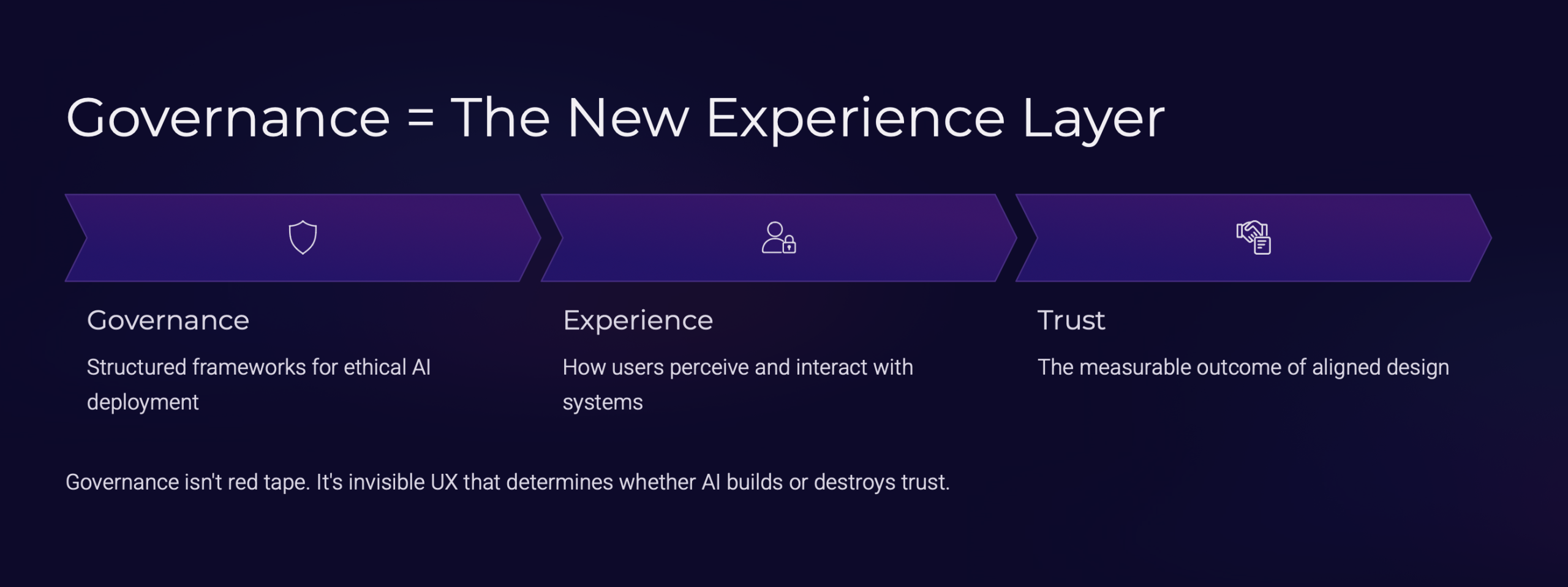
Governance as a Living Document: Why Static Frameworks Fail in Modern Business
Introduction
In the digital age, the concept of a “set-and-forget” governance framework is not just outdated—it is a significant liability. Many organizations treat their internal policies, compliance standards, and risk management protocols as static assets, locked in a digital vault or a dusty binder. However, the business landscape shifts daily due to emerging cybersecurity threats, regulatory changes, and volatile market conditions.
Governance is, or should be, a living document. It must breathe, adapt, and evolve alongside the entity it governs. When frameworks remain static, they create a dangerous gap between operational reality and corporate policy. This article explores how to transform your governance framework into a dynamic tool for resilience rather than a rigid barrier to agility.
Key Concepts: Defining Living Governance
A living governance framework is a structured approach to decision-making, accountability, and risk management that incorporates a continuous feedback loop. Unlike traditional frameworks, which are updated during annual audits or fiscal planning, living governance integrates real-time monitoring and trigger-based reviews.
The Core Principles:
- Agility: The ability to modify policies in response to sudden events without compromising core organizational values.
- Visibility: Ensuring that all stakeholders understand not just the “what” of a policy, but the “why” and the current status of its relevance.
- Feedback Loops: Establishing clear channels where frontline employees can report when a policy is hindering operations or failing to mitigate a new risk.
- Accountability: Assigning clear ownership for specific components of the framework, ensuring that when the environment shifts, a specific person or team is tasked with updating the documentation.
Step-by-Step Guide to Updating Your Framework
Transforming your framework from a static document to a living system requires a shift in process rather than just technology. Follow these steps to ensure your governance remains current.
- Establish a Governance Review Committee: Create a cross-functional team including Legal, IT, Operations, and HR. This group is responsible for the health of the framework, not just its initial creation.
- Define Trigger Events: Move away from calendar-based reviews. Define events that mandate an immediate review. These could include high-severity security incidents, changes in regional legislation (such as a new data privacy law), or major organizational pivots (e.g., shifting to remote-first work).
- Implement Version Control and Audit Trails: Use collaborative document management tools that track changes. Every policy update should include a “Change Log” that explains the rationale, the date, and the stakeholders who approved the change.
- Conduct Gap Analysis Through “Stress Testing”: Periodically simulate a crisis—such as a data breach or a supply chain failure—to see if the current framework provides clear, actionable guidance or if it creates confusion.
- Formalize the Feedback Loop: Create a “Policy Challenge” process. Empower employees to submit requests for review if they find a policy that is inefficient or obsolete. If a policy is consistently ignored, that is a signal that the policy is broken, not the employees.
Examples and Case Studies
Consider the difference between a traditional financial institution and a modern fintech firm. The traditional bank might update its AML (Anti-Money Laundering) policy once every 18 months via a bureaucratic committee. Conversely, a modern fintech might utilize an automated governance platform that flags potential policy conflicts every time a new transaction pattern is detected.
“Governance is not a bureaucratic hurdle; it is the guardrail that allows the organization to move at high speed. If the guardrail is rusted or misaligned, the organization will eventually crash.”
Real-World Application: The Cybersecurity Pivot
Following the widespread shift to hybrid work in 2020, many organizations found their IT governance frameworks completely obsolete. Companies that treated governance as a living document quickly updated their access control policies, VPN requirements, and remote device management protocols. Those who stuck to their static, office-based policies were left scrambling to patch gaps while under active threat, often resulting in significant data exposure.
Common Mistakes in Governance Management
Avoiding these pitfalls is as important as building a robust system.
- The “Compliance-First” Trap: Writing policies solely to satisfy auditors. This leads to documents that check boxes but offer no practical guidance for day-to-day work, leading to a culture of non-compliance.
- Ignoring Stakeholder Input: Drafting policies in a vacuum. If leadership writes rules without consulting the teams executing the work, those rules will be disconnected from reality and ultimately ignored.
- Over-Complexity: If your governance framework is 300 pages long, no one is reading it. Governance should be concise and focused on principles and outcomes rather than rigid, exhaustive procedures.
- Lack of Communication: Treating a policy update as a non-event. When a policy changes, it must be communicated effectively. Without awareness, your “living” framework is effectively dead.
Advanced Tips for Success
To take your governance framework to the next level, consider adopting these advanced strategies:
Automate Policy Compliance: Where possible, move governance into the code or the infrastructure. For example, rather than having a policy that says “servers must be encrypted,” use automated infrastructure tools that prevent any server from being provisioned if encryption is not enabled. This turns your policy into an automated control.
Develop a “Sunset Clause”: For every new policy or process introduced, include a sunset clause—a date by which the policy will automatically expire unless it is reviewed and re-authorized. This forces the organization to justify the continued existence of every rule, preventing the “policy bloat” that slows down large organizations.
Foster a “Psychologically Safe” Reporting Culture: Encourage employees to highlight areas where governance fails. If an employee feels they will be punished for noting that a policy makes a task impossible, they will find a “workaround.” These shadow processes are the primary cause of risk in most mature organizations.
Conclusion
Governance frameworks should not be static artifacts of corporate history. They are the essential operating system for your organization’s risk management and strategic direction. By moving toward a model of continuous, triggered, and collaborative updates, you ensure that your organization remains resilient in the face of inevitable change.
The transition from a “static” to a “living” framework is a shift in mindset. It requires acknowledging that we don’t have all the answers today, and that we must remain observant and flexible enough to adapt when the world changes around us. Start by auditing your current framework, identifying one key area of risk, and implementing a living feedback loop today. The stability of your organization depends on your ability to evolve.



Leave a Reply