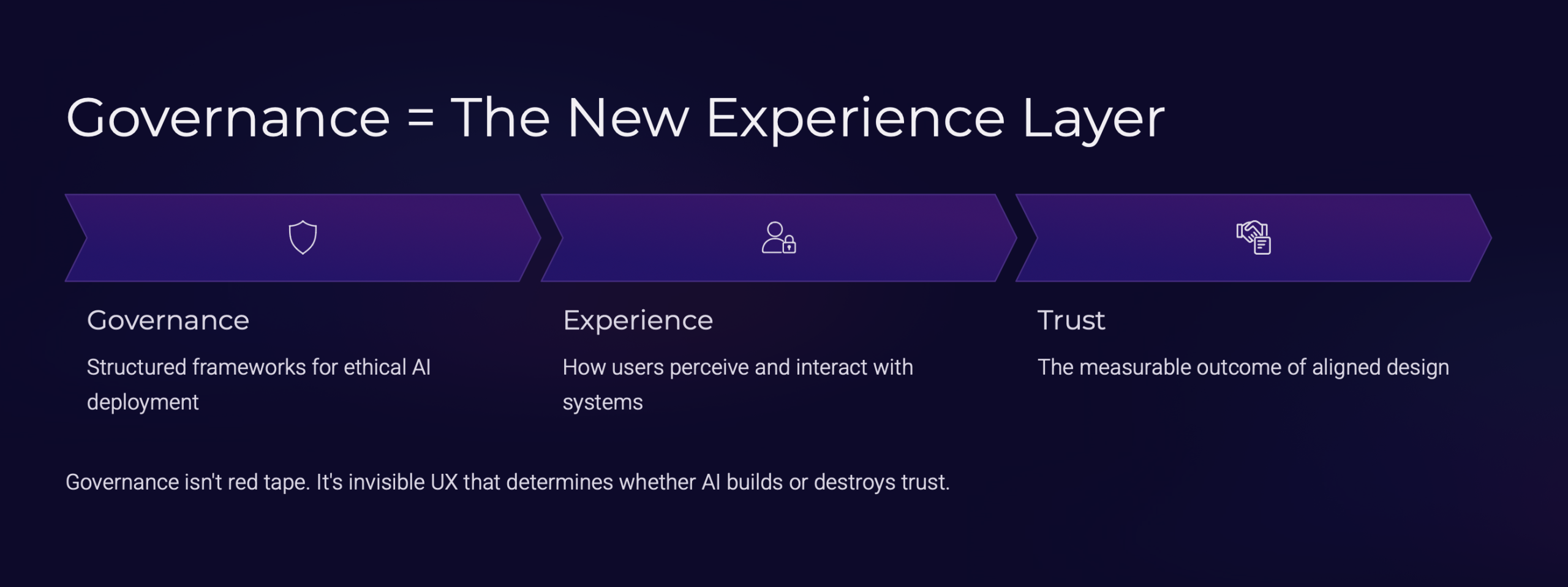
Introduction: Redefining governance from a top-down mandate to a bottom-up utility.
Key Concepts: Understanding decentralized governance, the role of smart contracts, and the shift from “ruler” to “protocol.”
Step-by-Step Guide: How to participate in decentralized ecosystems (DAOs, voting, proposal submission).
Real-World Applications: Examining how decentralized protocols manage treasury, code updates, and community consensus.
Common Mistakes: Voter apathy, centralization of token power, and ignoring security protocols.
Advanced Tips: Moving from passive token holding to active governance participation (delegation, sub-DAOs).
Conclusion: Why individual engagement is the engine of the next digital era.
Governance as a Decentralized Service: Empowering the Individual in the Global Story
Introduction
For centuries, the concept of governance has been synonymous with institutions—centralized bodies that dictate policy, manage resources, and define the boundaries of social and economic participation. We have been conditioned to view governance as something done to us, rather than something done by us. However, the emergence of decentralized technology has fundamentally disrupted this paradigm. Governance is no longer a static institution; it is becoming a decentralized service.
When we view governance as a service, we shift the power dynamic. It transforms from a rigid bureaucratic structure into a flexible, programmable utility that allows any individual to contribute to the global story. Whether it is managing a multi-billion dollar treasury or determining the future of a digital protocol, the barrier to entry is lowering. This article explores how you can leverage these decentralized tools to reclaim your agency and participate in the governance of the systems that shape our world.
Key Concepts
To understand governance as a service, we must first strip away the traditional baggage associated with the term. In the decentralized web, governance is the process by which a community coordinates to update the rules of a shared environment.
Decentralized Autonomous Organizations (DAOs): These are the vehicles of modern governance. Unlike a traditional corporation, a DAO operates on smart contracts—self-executing code that enforces the rules of the organization. If a vote passes, the code automatically executes the decision, removing the need for intermediaries to “interpret” or “approve” the outcome.
Tokens as Voting Power: In most decentralized systems, governance rights are tied to tokens. This creates a direct link between “skin in the game” and decision-making power. You are not just a user of the service; you are a stakeholder in its success. This alignment of incentives is what makes decentralized governance a service rather than a mandate.
On-Chain vs. Off-Chain Governance: Understanding the difference is vital. On-chain governance involves proposals and votes recorded directly on the blockchain, making them immutable and verifiable. Off-chain governance often happens in forums (like Discord or Snapshot), where community sentiment is gauged before the final technical implementation occurs. Both are essential components of a healthy ecosystem.
Step-by-Step Guide: How to Actively Govern
Participating in decentralized governance is more accessible than most people realize. Here is how you can move from a spectator to an active participant.
Identify Your Ecosystem: Choose a project or protocol you use or believe in. Governance is most effective when you have domain expertise. If you use a decentralized exchange, start by looking at their governance forum.
Acquire Governance Tokens: You need the “keys” to the system. Acquire the protocol’s native token through a decentralized exchange. This gives you the right to vote on proposals.
Monitor the Governance Forum: This is where the real work happens. Before a vote reaches the ballot, it is discussed in forums. Read the proposals, analyze the logic, and participate in the comments. Your feedback during the debate phase is often more valuable than the vote itself.
Delegate or Vote: If you feel you don’t have the time to research every issue, delegate your voting power to a trusted community member who shares your values. If you are well-informed, cast your vote directly on the protocol’s governance dashboard.
Submit a Proposal: Once you have established credibility, propose changes. Whether it is a new fee structure, an integration with another protocol, or a community grant, you have the right to put your ideas to a vote.
Examples and Real-World Applications
The practical application of decentralized governance is already reshaping how we organize labor and capital.
Consider the case of a major decentralized lending protocol. When the community realized that their risk parameters were too conservative, a group of users drafted a proposal to adjust the collateral requirements. Within a week, the proposal was debated, voted on by thousands of stakeholders, and automatically implemented by the smart contract. There was no board of directors to petition; the service responded directly to the needs of its users.
Beyond finance, decentralized governance is being used to manage public goods. Gitcoin, for example, uses quadratic voting—a democratic mathematical mechanism—to decide how to distribute funds to open-source software developers. This allows the community to fund projects that are highly valued by many, rather than just projects backed by a single wealthy donor.
Common Mistakes
Even in decentralized systems, traps exist for the unwary. Avoiding these pitfalls is essential for effective participation.
The “Voter Apathy” Trap: Many users hold tokens but never vote. This leads to centralization, where a small minority of whales (large token holders) control the entire protocol. If you don’t vote, you are delegating your power to someone else by default.
Ignoring Security Audits: Just because a proposal is popular does not mean it is safe. Always review the technical implications of a vote. Voting for a change that introduces a security flaw can be catastrophic for the protocol—and your investment.
Tribalism over Logic: Governance should be about the long-term health of the protocol. Voting based on short-term price manipulation or “team loyalty” instead of sound economic policy undermines the decentralized nature of the service.
Overlooking Communication Channels: Many people only look at the voting dashboard. By the time a proposal reaches the dashboard, it is often too late to influence the outcome. The real governance happens in the pre-vote discussions.
Advanced Tips
To truly master governance, you must look beyond your individual vote.
Build a Reputation: In decentralized spaces, your history is public. Consistently thoughtful contributions in forums build your reputation. Over time, your opinion will carry more weight, and other community members may choose to delegate their voting power to you, effectively making you a representative of the community’s interests.
Engage in Sub-DAOs: Large protocols are increasingly splitting into sub-DAOs focused on specific tasks, like marketing, security, or grants. These smaller units are more agile and offer a lower barrier to entry for those looking to take on leadership roles.
Leverage Quadratic Voting Tools: If you are starting your own project or community, implement voting mechanisms that favor broad consensus over simple majority rule. This protects the individual and prevents large holders from silencing the collective voice.
Conclusion
Governance is no longer a closed-door affair reserved for the elite. By viewing it as a decentralized service, we unlock the potential for individuals to shape the digital systems that define our future. It requires effort, research, and active participation, but the payoff is a level of agency that was previously impossible.
The global story is being written in real-time, through smart contracts, community forums, and collective decision-making. By stepping into your role as a participant, you are not just using a service—you are helping to govern the next generation of our digital infrastructure. Start small, stay informed, and remember that in a decentralized world, the power to change things belongs to those who show up.