Governance as Continuous Optimization: From Static to Dynamic
— by
Steven Haynes
Contents
1. Introduction: Redefining governance from “compliance” to “continuous optimization.”
2. Key Concepts: Defining Algorithmic Governance and the shift from static frameworks to dynamic feedback loops.
3. Step-by-Step Guide: How to transition your organization to a real-time governance model.
4. Examples/Case Studies: Real-world applications in fintech and cloud infrastructure (DevOps).
5. Common Mistakes: Why “set and forget” policies fail in a digital-first environment.
6. Advanced Tips: Implementing automated guardrails and observability.
7. Conclusion: The future of competitive agility through governance.
***
Governance as a Continuous Optimization Problem: Moving Beyond Static Bureaucracy
Introduction
For decades, governance has been viewed as a necessary friction—a static set of rules, committees, and compliance checklists designed to keep an organization within the lines. In the traditional model, governance is a checkpoint. It is something you do “before” or “after” the work, acting as a gatekeeper that inevitably slows down innovation.
However, in a digital-first economy where velocity is a primary competitive advantage, static bureaucracy is no longer just inefficient; it is a liability. Modern governance must be treated as a continuous, real-time optimization problem. Instead of being a barrier, effective governance should act like the guardrails on a high-speed racetrack: they define the boundaries, but they are designed to let you drive faster with confidence.
Key Concepts
The shift from static to dynamic governance is rooted in the move from preventative control to detective and corrective agility. In a static model, you define a policy, document it in a PDF, and audit it once a year. In a continuous model, governance is embedded into the technical and operational fabric of the organization.
The Feedback Loop: Governance as an optimization problem relies on observability. You cannot optimize what you do not measure. By treating governance requirements as data points, you can monitor adherence in real-time, allowing for rapid course correction rather than waiting for an annual audit failure.
Policy-as-Code: This is the technical cornerstone of the shift. By converting compliance requirements into machine-readable code, you enable systems to self-govern. When a configuration drifts from the desired state, the system doesn’t just flag it—it automatically reverts to the compliant state or alerts the relevant team to fix the deviation instantly.
Step-by-Step Guide
Transitioning your organization away from static bureaucracy requires a shift in both culture and tooling. Follow these steps to implement continuous governance:
Decompose Policies into Objectives: Stop thinking in terms of “rules” and start thinking in terms of “outcomes.” Instead of a policy stating “all data must be encrypted,” define the objective as “data at rest must meet AES-256 encryption standards.”
Identify Instrumentation Points: Determine where your governance objectives intersect with your operational workflows. If you are governing cloud infrastructure, this is your CI/CD pipeline. If you are governing financial processes, this is your ERP transaction log.
Automate the Monitoring Layer: Deploy tools that provide real-time visibility into these instrumentation points. Use dashboards that display compliance status as a health metric rather than a quarterly report.
Establish “Auto-Remediation” Protocols: For low-risk deviations, configure your systems to self-heal. If a server is deployed without the correct security tags, the governance engine should automatically apply them or quarantine the resource.
Review and Refine: Treat your governance policies like software. Conduct “retrospectives” on your governance performance. Are these rules still necessary? Are they creating unnecessary friction? Refine the code to optimize for both safety and speed.
Examples or Case Studies
Cloud Infrastructure (DevOps): A global fintech company replaced its manual security review board with an “Automated Guardrail” system. Previously, developers waited two weeks for a security review before deploying code. By implementing Policy-as-Code (using tools like Open Policy Agent), the company enabled developers to receive instant feedback in their development environment. If the code violated a security standard, the developer was notified immediately, and the deployment was blocked. This reduced the “governance lag” from weeks to minutes.
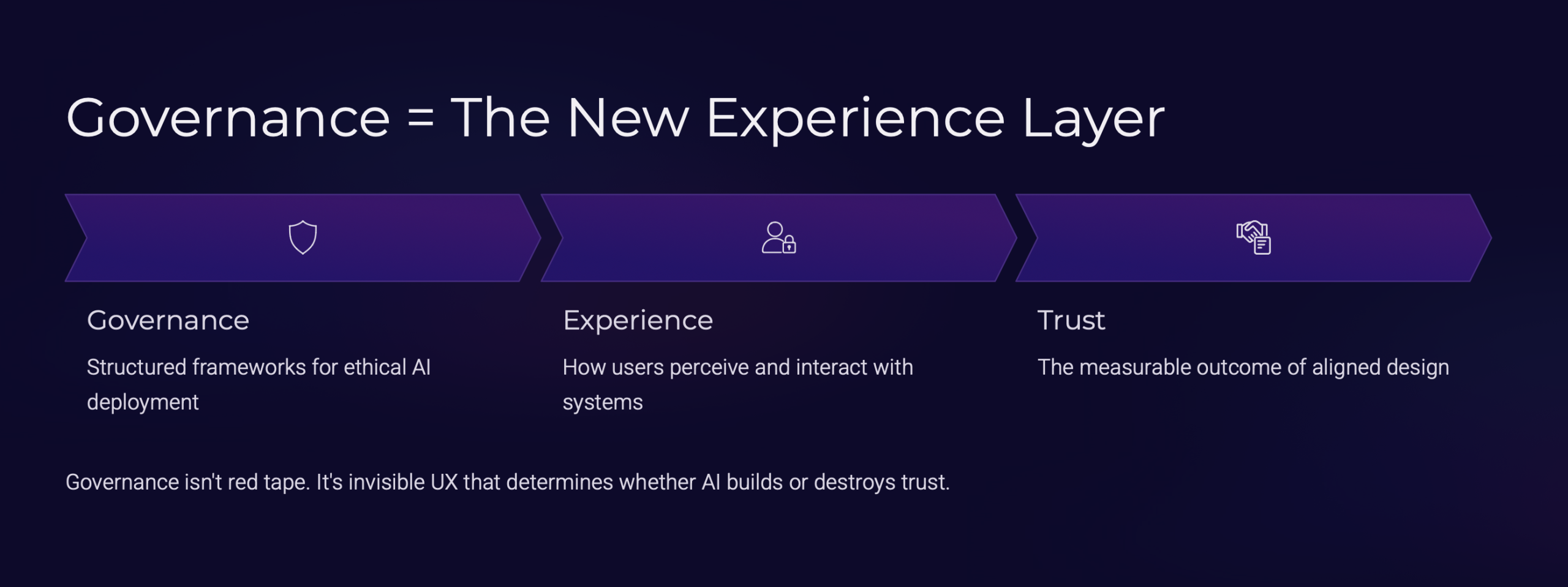
Governance is most effective when it is invisible to the user but omnipresent in the system.
Financial Compliance: A large enterprise shifted from periodic manual audits of their procurement process to a real-time anomaly detection system. By using machine learning to monitor every transaction against a set of dynamic thresholds, they moved from “finding fraud after the money is gone” to “flagging suspicious activity before the transaction is finalized.” The governance problem became an optimization problem: minimizing false positives while maximizing detection accuracy.
Common Mistakes
Over-automating without Human Context: Automation is powerful, but applying rigid rules to complex, nuanced situations can lead to broken workflows. Always ensure there is a clear “break-glass” procedure for human intervention.
Treating Policy-as-Code as a “Set and Forget” Solution: Just like software, governance policies can become obsolete. If your business model changes but your automated rules do not, you will end up with high-speed, automated inefficiency.
Ignoring the Cultural Shift: If you implement automated guardrails but keep a culture of “blame” when a policy violation occurs, developers will find ways to circumvent the system. Governance must be seen as a tool for success, not a weapon for punishment.
Advanced Tips
To take your governance to the next level, focus on Observability-Driven Governance. Rather than just tracking “compliant vs. non-compliant,” track the latency of your governance processes. How long does it take for a violation to be discovered? How long does it take to resolve? By treating these as KPIs, you can systematically drive down the cost of compliance.
Furthermore, consider “Shift Left” Governance. By providing your teams with self-service tools that allow them to validate their own work against governance standards before they submit it, you empower them to own the compliance of their output. This decentralizes the governance burden while maintaining centralized control over the standards themselves.
Conclusion
Treating governance as a continuous, real-time optimization problem is the only way to scale in the modern era. By moving away from static, bureaucratic checklists and toward automated, data-driven guardrails, organizations can achieve a level of agility that was previously impossible.
The transition is not easy—it requires investment in infrastructure, a change in mindset, and a commitment to constant refinement. However, the result is a resilient, compliant, and—most importantly—fast organization. Governance should no longer be the brake on your business; it should be the steering wheel that allows you to navigate the complexities of the market with precision and speed.
The Psychological Toll of the Gatekeeper: Why Governance Needs a Feedback Loop – TheBossMind
[…] shifting to a dynamic model, as outlined in the article on governance as a continuous optimization problem, we change the psychological contract. We move from a culture of ‘don’t cross this […]



Leave a Reply