Governance, Compliance, and Organizational Oversight
— by
Steven Haynes
The Architecture of Accountability: Mastering Governance, Compliance, and Organizational Oversight
Introduction
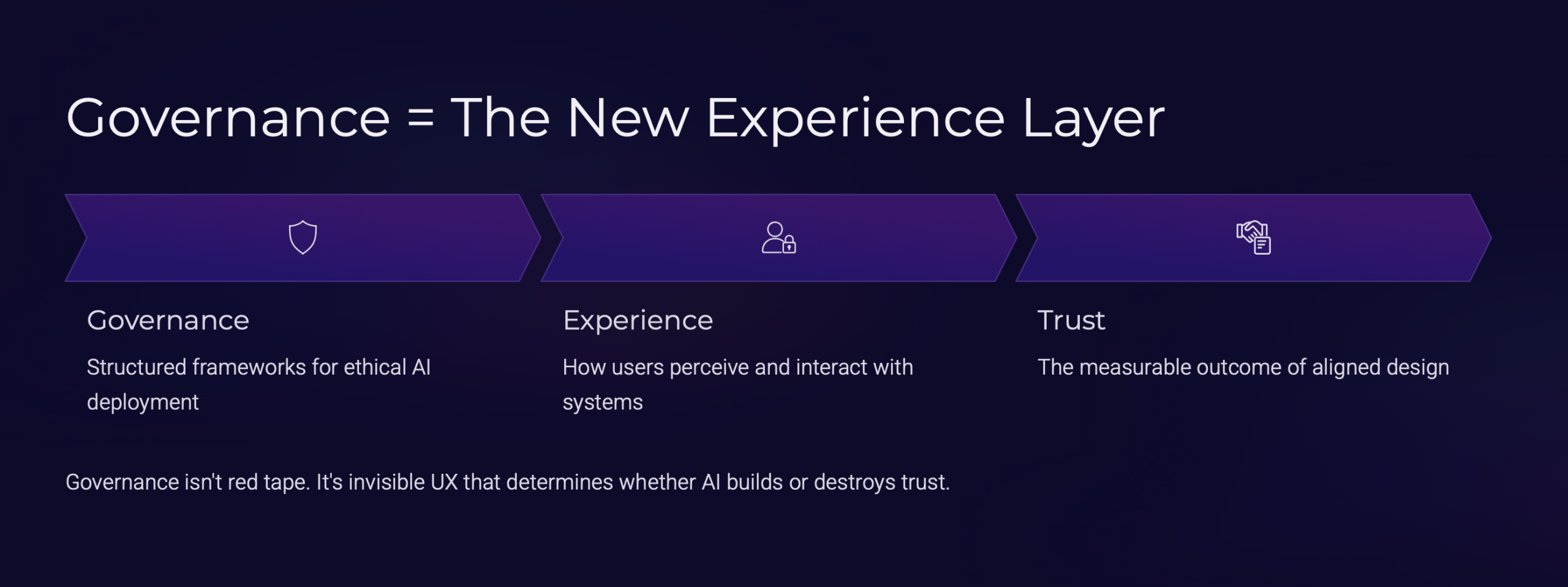
In the modern corporate landscape, “governance” and “compliance” are often treated as back-office burdens—ticking boxes to satisfy auditors and regulators. However, the most successful organizations view these functions as the nervous system of the business. Governance, compliance, and oversight are not mere legal requirements; they are the strategic framework that ensures an organization moves quickly without veering off the road.
When these systems are weak, companies face more than just fines. They face reputational collapse, operational paralysis, and the loss of stakeholder trust. This article breaks down how to move beyond static checklists and build a living, breathing culture of accountability that supports sustainable growth.
Key Concepts
To implement effective oversight, you must first distinguish between these three interconnected pillars:
Governance: This is the system of rules, practices, and processes by which a firm is directed and controlled. It defines who has the power to make decisions, who is accountable for them, and how the organization balances the interests of its many stakeholders, such as shareholders, senior management, customers, suppliers, financiers, and the community.
Compliance: This refers to the act of adhering to laws, regulations, guidelines, and specifications relevant to your business. It is the tactical execution of the rules set forth by governing bodies (such as the SEC, GDPR, or industry-specific standards).
Organizational Oversight: This is the continuous monitoring mechanism. It is the “eyes and ears” of the organization—the internal audits, management reviews, and board-level inquiries that ensure that what the company says it is doing, it is actually doing.
Step-by-Step Guide to Implementing a Robust Framework
Perform a Risk-Based Assessment: Do not attempt to govern everything with equal intensity. Identify your “crown jewels”—data, processes, or assets that, if compromised, would be catastrophic—and allocate your governance resources accordingly.
Define Roles and Authorities: Use a RACI matrix (Responsible, Accountable, Consulted, Informed) for every major corporate process. If everyone is responsible for compliance, nobody is. Clearly define who owns the risk.
Codify Policies into Workflows: Compliance fails when it is hidden in a 50-page PDF handbook. Embed compliance into your digital tools—for example, by automating approval gates in your procurement software that block non-compliant vendors.
Establish Independent Monitoring: Oversight must be independent of the function being monitored. If the IT team monitors their own cybersecurity compliance, you have a conflict of interest. Establish a reporting line to the board or a dedicated audit committee.
Create a Feedback Loop: Governance should not be static. Conduct quarterly “Lessons Learned” sessions where compliance failures (or near-misses) are analyzed to improve the system, not just to punish individuals.
Examples and Case Studies
Consider the contrast between two hypothetical financial firms. Firm A views compliance as a bottleneck. When a new data regulation emerges, they hire outside consultants to “fix it,” then return to their old processes. When a breach occurs, the lack of ownership results in a cascade of blame and massive regulatory penalties.
Firm B, by contrast, integrates oversight into its culture. At Firm B, the Chief Information Security Officer (CISO) has a direct line to the Board of Directors. They use “Compliance-as-Code” to ensure that every software deployment automatically checks for data privacy regulations before going live. When a regulation changes, Firm B’s automated environment flags the incompatibility instantly, allowing them to pivot within days rather than months.
“Governance is not just about avoiding jail or fines; it is about building a scalable engine that allows you to take risks with confidence because you understand the boundaries.”
Common Mistakes
The “Check-the-Box” Mentality: Treating compliance as an annual activity rather than a continuous operational discipline leads to “compliance drift,” where the organization slowly creeps toward dangerous practices between audits.
Information Silos: Governance departments (HR, Legal, IT, Finance) often work in isolation. If the IT department updates data security protocols without notifying the Legal team, you may inadvertently fall out of compliance with international data privacy laws.
Ignoring Culture for Rules: You can have the most robust legal framework in the world, but if the company culture rewards “getting it done at any cost,” employees will find ways to bypass the rules. Oversight must include cultural health checks.
Over-Complication: Policies that are too complex are ignored. If your internal governance requires five levels of approval for a minor expense, employees will find “shadow” ways to operate, creating greater, hidden risks.
Advanced Tips for Modern Organizations
To take your oversight to the next level, look toward Integrated Risk Management (IRM). Stop managing silos and start managing risks horizontally. For instance, a vendor risk is not just a Procurement issue; it is a Financial risk, a Cyber risk, and a Reputational risk.
Leverage Data-Driven Oversight by implementing real-time dashboards. Rather than waiting for a monthly report, utilize Key Risk Indicators (KRIs) that trigger automated alerts when specific metrics cross a threshold. For example, if a high volume of transactions is flagged in a region with high geopolitical instability, the system should automatically trigger a manual review before the funds are released.
Finally, emphasize Psychological Safety. A core component of good governance is the ability for lower-level employees to report concerns without fear of retribution. Whistleblower programs are necessary, but they should be a last resort. Create an environment where the “stop-work” authority is respected and encouraged at all levels.
Conclusion
Governance, compliance, and organizational oversight are the bedrock of long-term sustainability. By shifting your perspective from “regulatory burden” to “strategic enabler,” you create an organization that is not only safer but also more agile and efficient.
Start by breaking down silos, automating the mundane, and ensuring that accountability is clearly mapped to specific roles. When oversight becomes a part of the daily rhythm rather than an external intrusion, you protect your company from risk while empowering your teams to innovate within a clear, secure, and well-defined field of play.
The Integrity Paradox: Why Cultural Alignment Trumps Administrative Control – TheBossMind
[…] architecture that dictates how people behave when no one is watching. As explored in this guide on governance, compliance, and organizational oversight, these systems are meant to be the nervous system of the firm. However, if that nervous system is […]


Leave a Reply