Governance, Compliance, and Organizational Oversight
— by
Steven Haynes
Outline
Introduction: The shift from reactive administration to proactive governance as a strategic advantage.
Key Concepts: Defining the “Trinity” of GRC (Governance, Risk, and Compliance) and how they intersect.
Step-by-Step Guide: A practical roadmap for implementing a robust oversight framework.
Real-World Applications: Case studies on data privacy and financial transparency.
Common Mistakes: The “check-the-box” mentality and organizational silos.
Advanced Tips: Implementing automated GRC tools and fostering a culture of compliance.
Conclusion: Final thoughts on sustainability and long-term organizational health.
Governance, Compliance, and Organizational Oversight: Building a Resilient Foundation
Introduction
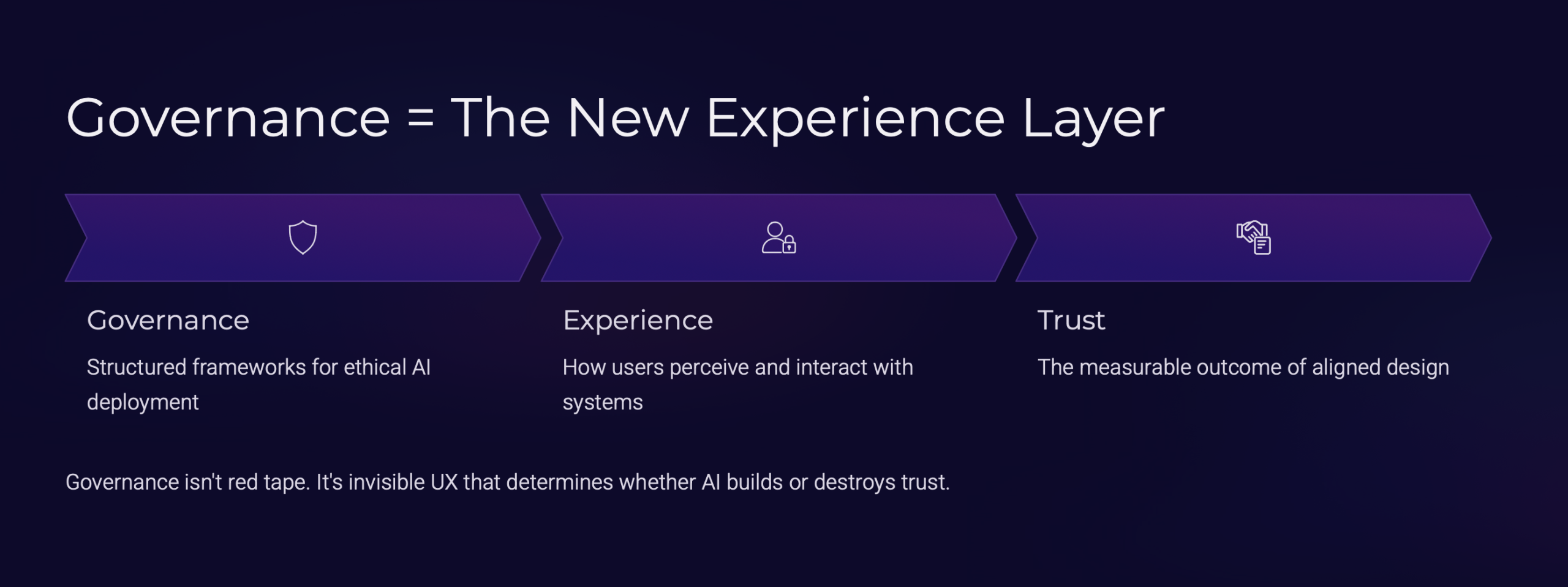
In the modern business landscape, the difference between an organization that scales effectively and one that collapses under pressure often comes down to the strength of its internal guardrails. Governance, compliance, and oversight are frequently viewed as back-office burdens or “red tape” designed to slow down innovation. In reality, they are the architectural framework that allows for sustainable growth. When these systems are weak, even the most innovative company can be derailed by a single regulatory fine, a data breach, or a leadership scandal.
This article moves beyond the textbook definitions to explore how you can build a governance culture that serves as a competitive advantage rather than a hurdle. By integrating clear oversight with agile compliance, you protect your organization’s reputation, satisfy stakeholders, and provide the clarity needed for leadership to make high-stakes decisions with confidence.
Key Concepts
To understand organizational oversight, we must first break down the three pillars that keep a business balanced: Governance, Risk, and Compliance (GRC).
Governance is the system of rules, practices, and processes by which an organization is directed and controlled. It defines the relationship between the board of directors, management, shareholders, and stakeholders. It answers the question: Who is responsible for what, and how do we make decisions?
Risk Management is the proactive identification, assessment, and prioritization of threats to an organization’s objectives. Oversight requires that management not only understands these risks but also has a mechanism to mitigate them before they become crises.
Compliance is the act of adhering to laws, regulations, guidelines, and specifications relevant to your business. While governance provides the “how,” compliance provides the “must.” Compliance is the baseline; governance is the strategy. Without both, organizational oversight remains incomplete, leading to vulnerabilities that are easily exploited by market shifts or regulatory crackdowns.
Step-by-Step Guide
Implementing a formal oversight framework requires a methodical approach. Follow these steps to transition from ad-hoc processes to a robust governance structure.
Establish a Governance Charter: Start by defining the roles and responsibilities of the board and management. Explicitly state the decision-making authority for different levels of the organization. This document should serve as the “constitution” for how your business is governed.
Conduct a Comprehensive Risk Assessment: Map your organization’s internal and external risks. Categorize them into financial, operational, strategic, and compliance-related threats. Use a risk matrix to score these based on impact and likelihood.
Design Internal Controls: For every high-priority risk identified, develop a control mechanism. This could be as simple as requiring dual authorization for financial transfers or as complex as automated software monitoring for data access logs.
Develop a Policy Framework: Translate your governance objectives into a clear, accessible handbook. Ensure that policies are not just written but are actively communicated to every employee.
Implement Monitoring and Reporting: Oversight cannot occur without visibility. Establish a reporting cadence where management provides the board or governing committee with regular updates on risk appetite, compliance status, and internal audit findings.
Audit and Iterate: Governance is not a “set it and forget it” process. Conduct internal audits at least annually to test the efficacy of your controls and update the framework based on new regulations or changes in the business model.
Examples and Case Studies
Consider the difference between two mid-sized technology firms navigating GDPR (General Data Protection Regulation) compliance. The first firm treated compliance as an IT-only problem, installing a firewall and calling it a day. When they suffered a minor data breach, they had no documentation of user consent, leading to massive fines because they could not demonstrate governance of the data.
The second firm treated GDPR as an organizational oversight issue. They implemented a data inventory, appointed a data protection officer, and created a policy for handling customer requests. When a similar incident occurred, they were able to report it within the 72-hour window, notify affected parties, and prove that they had taken “reasonable precautions.” Their regulatory penalty was significantly lower, and their reputation remained intact because they had a documented framework in place.
Governance is not just about avoiding fines; it is about proving the integrity of your processes when things go wrong.
Common Mistakes
Even well-intentioned leaders often fall into common traps that render their oversight systems useless.
The “Check-the-Box” Mentality: This occurs when an organization implements a control just to say they have it, without ensuring it actually mitigates the underlying risk. Compliance should be an outcome of good process, not a target in itself.
Organizational Silos: When the legal department, IT, and HR do not communicate, risks fall through the cracks. Effective oversight requires a cross-functional approach where risk data is shared across the company.
Ignoring Culture: You can have the most advanced automated controls in the world, but if the company culture rewards cutting corners, employees will find ways to bypass the rules. Tone at the top is the most important factor in effective governance.
Over-Complication: If your governance framework is too complex, people will ignore it. Keep your policies clear, concise, and accessible to ensure high adoption rates.
Advanced Tips
To move your organization to a higher level of maturity, consider these advanced strategies:
Leverage GRC Software: Stop managing risk via spreadsheets. Integrated GRC platforms allow you to automate control testing, track policy acknowledgments, and generate real-time reports for stakeholders. This creates a “single source of truth.”
Establish an Ethics Hotline: True oversight includes knowing what is happening on the front lines. Anonymous whistleblowing channels are a critical governance tool that helps catch fraud or systemic issues before they reach the level of a scandal.
Focus on Resilience, Not Just Compliance: Don’t just look at what you need to do to satisfy regulators. Ask yourself, “How would this process hold up in a crisis?” By designing for resilience—the ability to recover quickly from disruption—you automatically improve your compliance posture.
Continuous Compliance Monitoring: Instead of waiting for an annual audit, move toward continuous monitoring. Use automated alerts to monitor for anomalous financial transactions or unauthorized access attempts. This transforms oversight from a periodic review into a real-time operational safety net.
Conclusion
Governance, compliance, and organizational oversight are the bedrock upon which trust is built. In an era where information travels instantly and regulatory scrutiny is at an all-time high, you cannot afford to treat these functions as secondary tasks. By integrating these practices into the daily rhythm of your organization, you protect your assets, ensure the longevity of your business, and empower your leadership team to pursue ambitious goals with the security of a well-governed infrastructure.
Start by auditing your current state, identifying where the largest risks lie, and building simple, transparent processes to address them. Remember: the goal is not to eliminate all risk—which is impossible—but to manage it intelligently so that your organization can thrive in an unpredictable world.
The Psychology of Compliance: Moving Beyond the Policy Manual – TheBossMind
[…] ignores a critical, underlying variable: the collective psychology of the workforce. Building a robust oversight framework is useless if the people tasked with executing that framework view it as an obstacle to their daily […]


Leave a Reply