

Outline
- Introduction: The shift from “black box” to “accountable” AI.
- Key Concepts: Defining interpretability vs. explainability and the regulatory landscape (GDPR, EU AI Act, NIST).
- Strategic Selection Framework: How to map tools to specific regulatory mandates.
- Step-by-Step Selection Guide: A practical workflow for compliance teams.
- Case Study: Navigating credit scoring regulations (ECOA/GDPR).
- Common Mistakes: Over-reliance on global surrogates and ignoring feature interaction.
- Advanced Tips: Moving toward human-centric explanations and model cards.
- Conclusion: Bridging the gap between technical output and legal requirements.
Bridging the Gap: Why Explainability Tools Must Align with Regulatory Transparency Standards
Introduction
For years, the artificial intelligence field prioritized raw predictive power—the “accuracy at all costs” mentality. However, as AI systems integrate into high-stakes environments like healthcare, criminal justice, and finance, the priority has shifted. Today, organizations are no longer just asking, “How accurate is the model?” but rather, “Can we defend this decision to a regulator?”
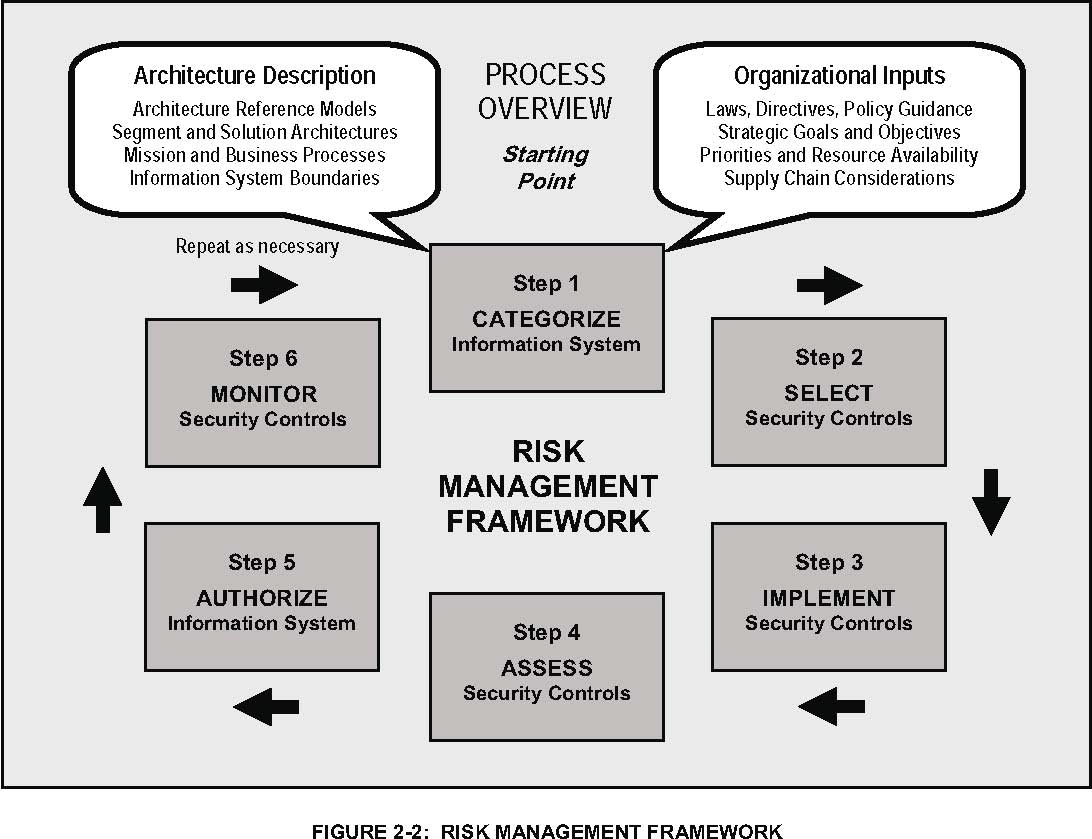
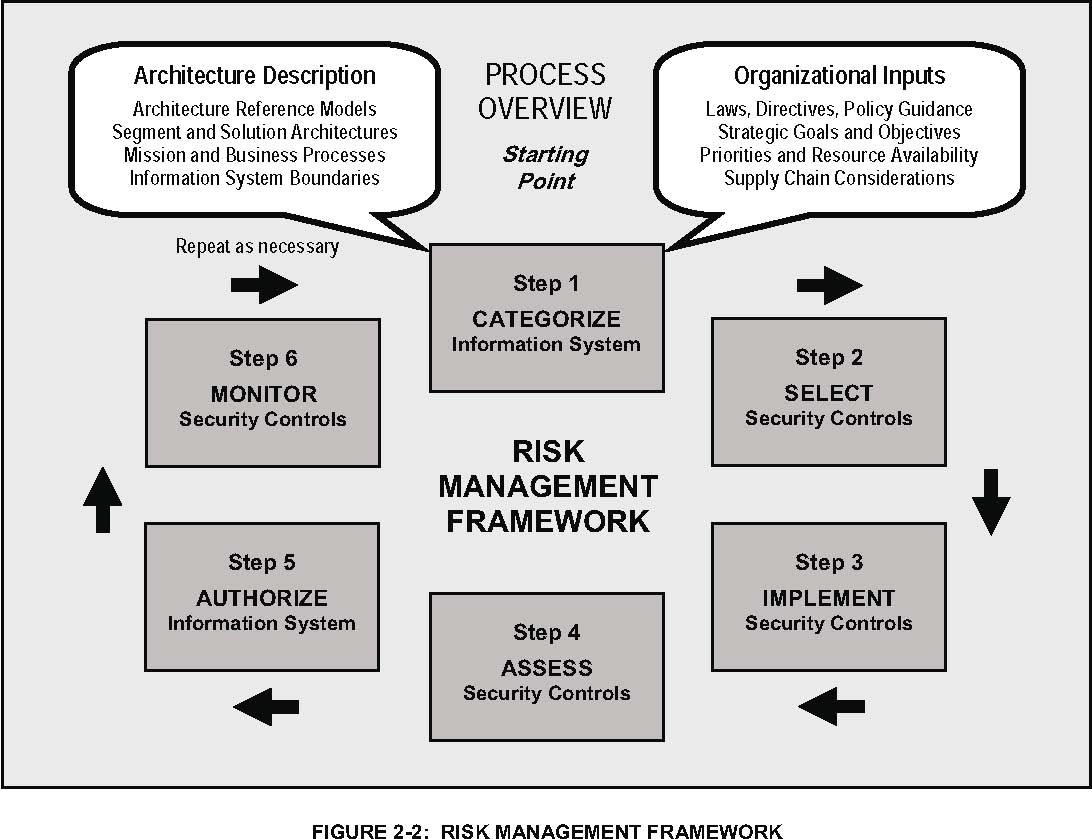
The transition from a “black box” model to an accountable system is not merely a technical challenge; it is a regulatory imperative. Global frameworks like the EU AI Act, the GDPR’s “right to explanation,” and the NIST AI Risk Management Framework have turned model interpretability into a legal requirement. Selecting an explainability tool—such as SHAP, LIME, or Integrated Gradients—is no longer a “one-size-fits-all” developer preference. It is a strategic procurement decision that must be mapped directly to your specific regulatory obligations.
Key Concepts
To align tools with regulations, we must distinguish between interpretability (the inherent transparency of a model) and explainability (post-hoc methods used to describe the output of complex models).
Regulations generally demand three types of transparency:
- Global Transparency: Understanding how the model behaves across the entire data distribution. This is essential for auditing compliance with non-discrimination laws.
- Local Transparency: Explaining a specific decision (e.g., why was this specific loan application rejected?). This is mandated by consumer protection laws like the Equal Credit Opportunity Act (ECOA).
- Model Governance: Documenting the provenance, training data, and limitations of the system, often required for high-risk AI certification under the EU AI Act.
Choosing the wrong tool can lead to a “compliance gap,” where your technical documentation provides mathematical intuition (e.g., feature importance weights) that fails to satisfy the legal necessity of a natural language justification for a decision.
Step-by-Step Guide: Aligning Tools to Regulations
- Identify the Regulatory Jurisdictions: Before looking at a single library, list the laws applicable to your industry. Does the GDPR apply? Are you under US banking oversight? Each has different thresholds for “meaningful information” regarding the logic involved in automated decision-making.
- Classify Your Model’s Risk Tier: Use a framework like the EU AI Act to categorize your system. High-risk systems require more robust, post-hoc explanation tools that provide confidence intervals, whereas low-risk systems may only require basic global feature importance metrics.
- Determine the Target Audience for Explanations: A regulator needs a technical audit trail; a consumer needs a plain-English reason. Select tools that can output both: use SHAP values for your data science team and automated narrative generation (like “Decision Tables” or “Rule-based summaries”) for stakeholders.
- Evaluate Tool Fidelity vs. Complexity: Ensure your explanation tool is faithful to the original model. If you use a simple surrogate model (like a shallow decision tree) to explain a deep neural network, you risk “explanation drift,” where the explanation becomes misleading—a major red flag for regulatory auditors.
- Document the Alignment: Create a traceability matrix. Map every feature of your explainability tool to a specific requirement in your compliance framework. This becomes your primary evidence during a regulatory audit.
Examples and Case Studies
Case Study: Financial Services and the “Right to Explanation”
A credit lending institution faced challenges with GDPR compliance regarding loan denials. They initially used SHAP (SHapley Additive exPlanations) because it provided rigorous, consistent feature contributions. However, auditors found that SHAP values (e.g., “Income feature contribution: +0.23”) were insufficient for consumers who needed to know exactly what steps to take to improve their creditworthiness.
The company adjusted its approach by implementing a “Contrastive Explanation” layer on top of SHAP. Instead of just showing feature weights, the tool generated: “You were denied because your Debt-to-Income ratio was 45%. If you had reduced this to 35%, your application would have been approved.” This alignment between a mathematical tool (SHAP) and a legal requirement (actionable transparency) turned a potential compliance failure into a model for consumer protection.
Common Mistakes
- Confusing Correlation with Causation: Many explainability tools identify which features the model looks at, not which features cause the outcome. Relying on these tools to justify “causal” decisions can lead to incorrect, non-compliant justifications.
- Ignoring Model Instability: Some post-hoc tools are unstable, meaning two nearly identical inputs produce wildly different explanations. Regulators look for consistency; if your explainability tool produces inconsistent logic for similar cases, it will be flagged as unreliable.
- Over-Reliance on Global Feature Importance: Using a global dashboard for a local decision. A global summary of feature importance is useless if you need to explain why a specific individual was flagged for fraud.
- Failing to Audit the Training Data: Explainability tools often assume the model is “correct.” If the training data contains historical bias, the tool will explain the bias perfectly, which is not what regulators want to see.
Advanced Tips
Adopt a Multi-Layered Approach: Never rely on a single explainability tool. Use “Model Cards” to provide the big-picture context, SHAP or Integrated Gradients for technical transparency, and counterfactual analysis for end-user interaction. This layered approach creates a defense-in-depth strategy that satisfies both technical and legal stakeholders.
Embrace Counterfactual Explanations: These are the gold standard for many regulatory bodies. By providing “what-if” scenarios (e.g., “What would have to change for the result to be different?”), you move the conversation from abstract weights to concrete actions. This is often the most legally defensible form of transparency.
The goal of explainability is not to show how the math works, but to provide an accountable narrative that aligns with the spirit of the law. If your tool cannot translate a weight into a reason, it is not an explainability tool—it is just a visualization.
Conclusion
Explainability is no longer a “nice-to-have” feature; it is a critical component of institutional risk management. By selecting tools based on their alignment with specific regulatory transparency standards, organizations move away from performative compliance and toward genuine accountability.
To succeed, you must stop treating explainability as a standalone technical task. Instead, integrate it into the regulatory workflow: map requirements to tool capabilities, prioritize local explanations for user-facing decisions, and ensure that your technical output can be translated into plain-language justifications. In an era where AI regulation is tightening, the ability to clearly, consistently, and accurately explain your system’s logic is the ultimate competitive advantage.
Further Reading



Leave a Reply