Educational outreach should extend to the broader community beyond the clergy.
— by
Steven Haynes
Beyond the Pulpit: Why Educational Outreach Must Include the Broader Community
Outline
Introduction: The shift from insular religious education to community-integrated learning.
Key Concepts: Defining theological literacy and the democratization of knowledge.
Step-by-Step Guide: How to build an inclusive outreach program from the ground up.
Examples and Case Studies: Real-world applications of community-focused education.
Common Mistakes: Avoiding “insider language” and elitism.
Advanced Tips: Leveraging digital platforms and interdisciplinary approaches.
Conclusion: Why this is vital for modern institutional relevance.
Introduction
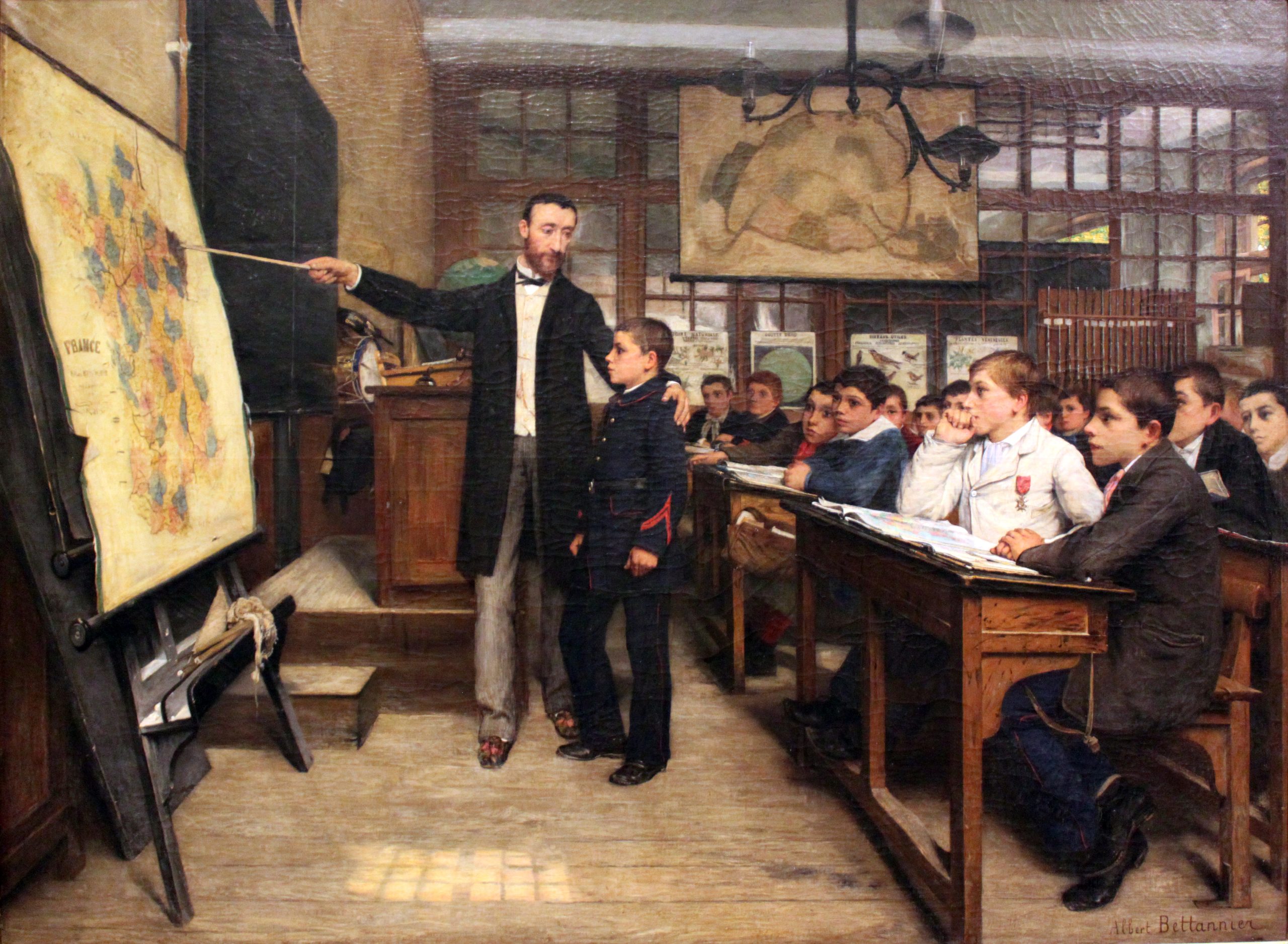
For centuries, the transmission of theological, philosophical, and ethical knowledge was largely sequestered within the walls of seminaries and the private studies of the clergy. While this tradition preserved core tenets, it also created a knowledge gap between those tasked with leading institutions and the communities they serve. Today, the ivory tower model is no longer sufficient. In an era of rapid information exchange and complex social challenges, educational outreach must extend beyond the ordained.
When educational resources remain restricted to a small circle, institutions lose their ability to influence the cultural conversation. By democratizing access to these insights, we foster a more informed, ethically grounded society. Whether you represent a religious organization, a non-profit, or a community center, expanding educational outreach to the laity and the broader public is not just a moral imperative—it is a survival strategy for relevance.
Key Concepts
Theological Literacy: This is the ability to understand, interpret, and apply the foundational texts and values of a tradition to contemporary life. It is not about becoming a professional scholar, but about gaining the tools to navigate life’s “big questions” with intellectual rigor.
Democratization of Knowledge: This concept shifts the role of the teacher from an “arbiter of truth” to a “facilitator of understanding.” It assumes that every individual has the capacity to engage deeply with complex material if the barriers to entry—such as jargon or academic exclusion—are removed.
Reciprocal Learning: Outreach is not a one-way street. When education extends to the broader community, the institution gains fresh perspectives from those living in the “real world.” This feedback loop sharpens the institution’s own understanding, ensuring that their teaching remains grounded in lived experience rather than abstract theory.
Step-by-Step Guide
Implementing a robust outreach program requires a transition from academic gatekeeping to community empowerment. Follow these steps to build a sustainable model:
Identify Local Needs: Do not guess what the community wants to learn. Survey your local population. Are they struggling with grief, ethics in the workplace, or navigating intergenerational family conflict? Align your outreach with these pain points.
Translate the Content: Remove institutional jargon. If you are discussing historical ethics, translate it into modern decision-making frameworks. Focus on “What does this mean for my Tuesday morning?” rather than “What does this mean for the 4th-century Council of Nicaea?”
Choose Accessible Venues: Move out of the sanctuary or the classroom. Host sessions in coffee shops, public libraries, or community centers. These neutral spaces reduce the intimidation factor and demonstrate a genuine interest in meeting the community on their turf.
Standardize the Delivery: Create a modular curriculum. Instead of semester-long, high-commitment courses, offer short, high-impact “lunch and learn” sessions. Accessibility is the primary driver of attendance for busy adults.
Recruit Non-Clergy Ambassadors: Train laypeople to facilitate these sessions. When community members see peers leading educational discussions, it breaks the hierarchy and encourages broader participation.
Examples or Case Studies
The “Philosophy in the Pub” Model: Several organizations have successfully implemented series where theological or philosophical texts are discussed over casual drinks. By stripping away the formality, these programs have seen a 400% increase in attendance among young professionals who previously felt excluded by traditional institutional settings.
The Community Ethics Roundtable: A community center in a mid-sized city began hosting monthly roundtables on “The Ethics of Emerging Technology.” By inviting a mix of clergy, local software engineers, and teachers to discuss the moral implications of AI, they created a cross-pollination of knowledge. The clergy learned about technical realities, and the professionals gained a new framework for ethical decision-making.
The Literacy Partnership: A regional organization partnered with local high schools to offer “Foundations of Ancient Wisdom” courses as an after-school enrichment program. By focusing on critical thinking and historical context rather than indoctrination, they built significant community trust and expanded their reach to parents who previously had no contact with the organization.
Common Mistakes
Over-Reliance on “Insider” Language: Using technical, theological terms without definition alienates the audience. If you mention a concept, provide a real-world synonym immediately.
Assuming an Agenda: If the community feels the outreach is a “bait and switch” to gain members, they will disengage. Keep the education focused on growth and intellectual inquiry, not recruitment.
Rigidity in Scheduling: Hosting events only on weekday mornings ignores the reality of the modern workforce. Prioritize evening or weekend availability to ensure inclusivity.
Dismissing Participant Questions: Nothing shuts down an outreach effort faster than a teacher who shuts down challenging questions. Welcome skepticism as a sign of active engagement.
Advanced Tips
To truly scale your impact, consider the power of the digital landscape. Record snippets of your sessions and distribute them as high-quality, short-form video content on social media. This acts as a “trailer” for your in-person programs and provides immediate value to those who cannot attend.
Furthermore, embrace interdisciplinary approaches. Pair theological texts with literature, sociology, or environmental science. When you connect your core educational mission to the broader scientific or cultural interests of your audience, you transform from a niche interest group into a vital community resource.
Finally, implement a “peer-to-peer” facilitation model. Identify the most engaged participants in your sessions and mentor them to lead their own small groups. This creates a distributed network of educators, allowing your program to grow exponentially without requiring massive increases in your own administrative overhead.
Conclusion
Expanding educational outreach beyond the clergy is not just a task of delegation; it is an act of empowerment. When we provide the broader community with the tools to navigate complex questions, we build a more resilient and thoughtful society. By removing the barriers of jargon, meeting in accessible spaces, and fostering a spirit of mutual inquiry, institutions can revitalize their mission and ensure their work resonates in a rapidly changing world.
The goal of education is not the filling of a vessel, but the kindling of a flame. By sharing the richness of our traditions and knowledge with the broader community, we ensure that the flame continues to burn long after the lecture has ended.
Start small, prioritize accessibility, and listen intently to your community. The shift from an insular model to a community-integrated one is the most significant step you can take toward long-term institutional impact.



Leave a Reply