Contents1. Introduction: Define the paradigm shift from top-down governance to community-led algorithmic oversight.2. Key Concepts: Explain “Algorithmic Alignment,” “Decentralized Governance,” and the “Voting Mechanism.”3. Step-by-Step Guide: How a community participates in an algorithmic adjustment lifecycle.4. Examples/Case Studies: Real-world applications in DeFi (Decentralized Finance) and Social DAOs.5. Common Mistakes: Why voting can fail (voter apathy, sybil attacks, technical illiteracy).6. Advanced Tips: Quadratic voting and reputation-based weighting for better outcomes.7. Conclusion: The future of democratic code.***
Democratizing Code: How Community Voting Shapes Algorithmic Adjustments
Introduction
For decades, the “black box” nature of algorithms defined our digital reality. Whether it was a social media feed curating your worldview or a financial protocol determining interest rates, the logic was dictated by a handful of engineers behind closed doors. Today, that power dynamic is shifting. The rise of decentralized governance has introduced a radical concept: algorithmic adjustments are now subject to community-wide voting to ensure systemic alignment.
This transition isn’t just about transparency; it is about survival. When algorithms control billions of dollars in assets or the flow of information for millions of users, “systemic alignment” ensures that the code reflects the values and needs of the community rather than the narrow interests of a single entity. Understanding how to participate in this process is no longer optional for those invested in the future of digital infrastructure.
Key Concepts
To understand the mechanics of community-led algorithmic adjustments, we must first break down three core pillars:
Algorithmic Alignment: This refers to the degree to which an algorithm’s output matches the intended goals of the community it serves. If a lending protocol is designed to be low-risk, but its interest rate algorithm ignores market volatility, it is misaligned.
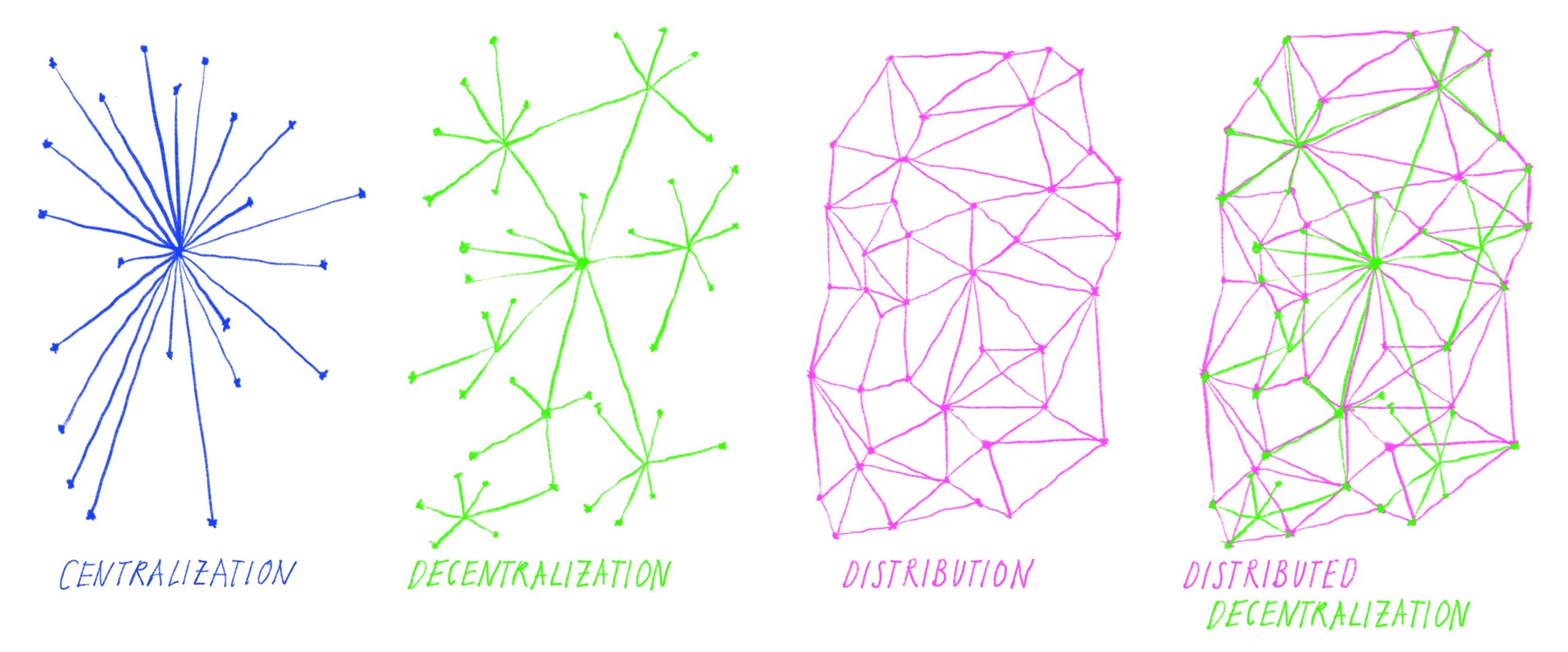
Decentralized Governance: This is the framework—usually facilitated by a Decentralized Autonomous Organization (DAO)—that allows stakeholders to propose, debate, and vote on changes to the system. It replaces the traditional “board of directors” with a token-weighted or reputation-based voting system.
Systemic Alignment: This is the “big picture” outcome. It ensures that any single change (e.g., adjusting a liquidity pool’s fee) does not inadvertently jeopardize the broader stability or security of the entire ecosystem.
Step-by-Step Guide
Participating in an algorithmic adjustment cycle involves more than just clicking a “Yes” or “No” button. It is a structured process designed to mitigate risk and ensure informed decision-making.
- The Proposal Phase: A community member or developer identifies a need for change. They submit an Improvement Proposal (IP) that includes the technical logic, the predicted outcome, and the reasoning behind the adjustment.
- The Discussion Period: Before a vote occurs, the proposal is debated on community forums. This is where experts vet the code and critics highlight potential edge cases. This phase is critical for catching bugs or unintended consequences.
- Security Auditing: High-stakes proposals are subjected to peer review or third-party audits. The community must ensure that the proposed code change is secure and cannot be exploited by malicious actors.
- The Voting Period: Once the proposal is finalized, it moves to the on-chain voting phase. Stakeholders cast their votes, typically using governance tokens. The weight of a vote is usually proportional to the number of tokens held, though alternative models exist.
- The Execution/Timelock: If the vote passes, the code change is queued. A “timelock” is often implemented, which is a mandatory delay before the code goes live. This allows users to exit the system if they fundamentally disagree with the change.
Examples or Case Studies
The most prominent applications of community-voted algorithmic adjustments are found in Decentralized Finance (DeFi).
Case Study: Interest Rate Adjustments in Lending Protocols. Consider a major decentralized lending platform. When market liquidity dries up, the platform’s algorithm for interest rates may need to be adjusted to incentivize deposits. Instead of an admin changing the code, the community votes on an adjustment to the “kink” parameter in the interest rate curve. This ensures that the protocol remains profitable for lenders without making borrowing prohibitively expensive, balancing the system’s health through democratic consensus.
Case Study: Content Curation in Social DAOs. Some experimental social media platforms allow communities to vote on the parameters of their content discovery algorithm. If users feel the algorithm is promoting “rage-bait,” they can propose a vote to adjust the weighting of “engagement” metrics versus “trust/reputation” metrics, effectively steering the platform toward healthier discourse.
Common Mistakes
Transitioning to a community-led model is fraught with challenges. Avoiding these common traps is essential for project longevity.
- Voter Apathy: If the barrier to participation is too high, only a small minority will vote, leading to governance capture by “whales” (large token holders). This defeats the purpose of community-wide alignment.
- Technical Illiteracy: Voters may support a proposal that sounds good in theory but contains dangerous code flaws. Communities must foster an environment where developers explain technical changes in plain language.
- Sybil Attacks: This occurs when a single actor creates multiple identities or wallets to manipulate the voting outcome. Robust identity verification or reputation-based voting is required to combat this.
- Short-Termism: Communities often vote for short-term gains (e.g., higher rewards) at the expense of long-term protocol stability. Robust governance frameworks must include “veto” powers or council oversight to protect the system’s future.
Advanced Tips
To take your participation to the next level, focus on these advanced governance strategies:
Quadratic Voting: Instead of one token equaling one vote, quadratic voting allows participants to express the intensity of their preference. The cost of additional votes increases quadratically. This empowers smaller stakeholders and prevents the wealthiest participants from dominating every decision.
Reputation-Based Governance: Rather than basing power solely on token ownership, some systems assign “reputation” based on past contributions. This ensures that those who have historically acted in the community’s best interest have more influence over systemic algorithmic changes.
Delegation: If you lack the time to analyze every proposal, you can delegate your voting power to a trusted community member or a “governance guild.” This allows you to stay active in the ecosystem while ensuring your vote is cast by someone with the expertise to understand the implications of the algorithmic change.
Conclusion
The movement to subject algorithmic adjustments to community-wide voting is a fundamental evolution in how we build and manage digital systems. It shifts the focus from efficiency at any cost to resilience, equity, and collective responsibility. While the process is not without its hurdles—ranging from voter apathy to technical complexity—it represents the most viable path toward creating systems that are both trustworthy and truly aligned with the needs of their users.
By engaging in the proposal process, fostering healthy debate, and utilizing advanced voting mechanisms, you are not just a user—you are an architect of the digital infrastructure of the future. The code is no longer the final word; the community is.