
Contents
* Introduction: The shift from centralized global manufacturing to decentralized, modular production.
* Key Concepts: Defining modularity, localized manufacturing, and the “Micro-factory” model.
* Step-by-Step Guide: How businesses can transition to a localized production framework.
* Examples/Case Studies: Real-world applications in the medical device and sustainable fashion sectors.
* Common Mistakes: Pitfalls such as scaling too fast or ignoring supply chain integration.
* Advanced Tips: Leveraging digital twins and additive manufacturing to optimize modular units.
* Conclusion: The future of the “Production-as-a-Service” economy.
*
The Decentralized Revolution: Why Localized and Modular Production is the Future of Industry
Introduction
For decades, the global economy has been dictated by the principle of economies of scale: build massive, centralized factories in low-cost regions and ship finished goods across the globe. However, this model is increasingly fragile. Supply chain disruptions, rising fuel costs, and the urgent need for carbon footprint reduction have exposed the flaws in “long-haul” manufacturing.
The solution emerging to replace this legacy system is the localized, modular production facility. By bringing manufacturing closer to the point of consumption, companies are not just saving on logistics—they are gaining the agility to respond to market shifts in real-time. This article explores how modularity is transforming the industrial landscape and how your organization can capitalize on this shift.
Key Concepts
To understand the shift, we must define the two core pillars: Modularity and Localization**.
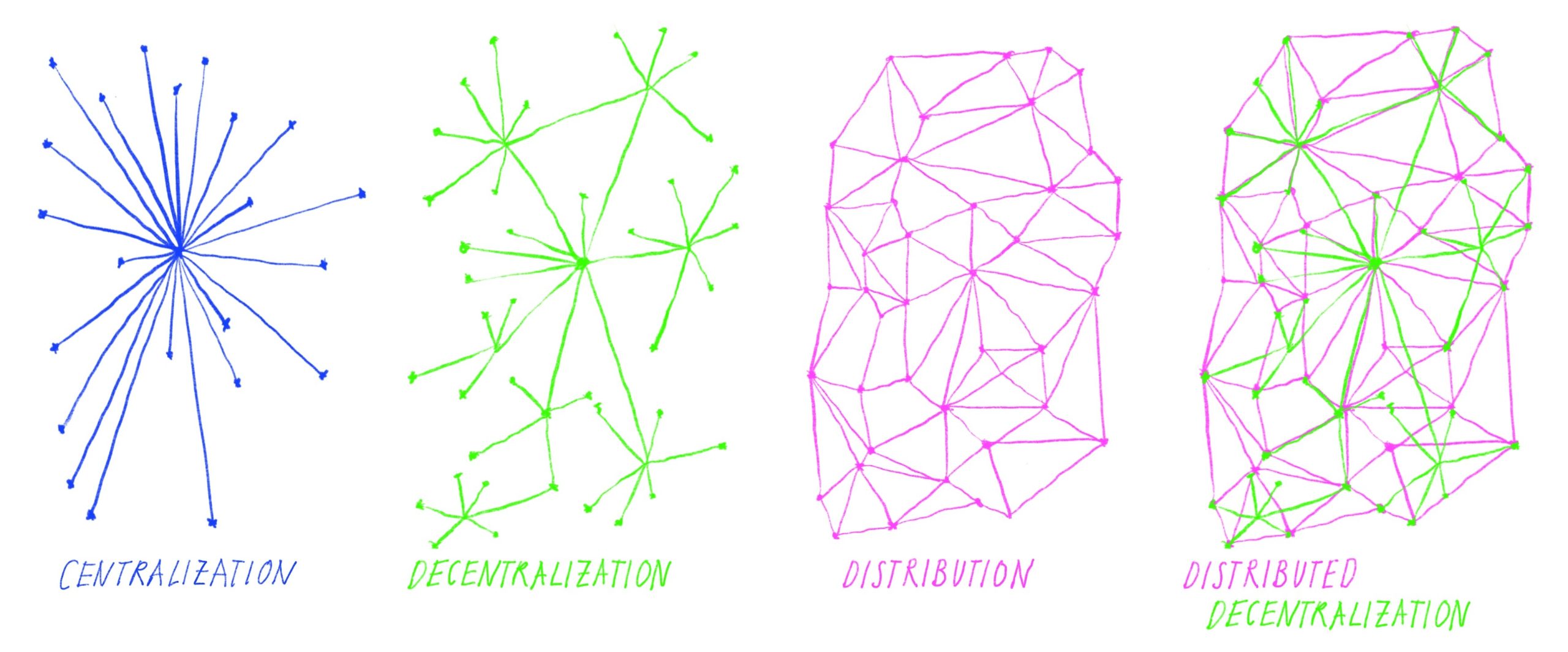
Modularity refers to the design of a production facility as a series of self-contained, interoperable units. Instead of one monolithic plant, you have “cells” or “pods.” If one module requires maintenance or needs to be scaled up, it can be handled independently without halting the entire factory floor.
Localized Manufacturing, often called “distributed manufacturing,” moves production from a central hub to the periphery—near the customer. When you combine these two, you create a network of micro-factories. These facilities are often small enough to fit inside shipping containers or repurposed commercial buildings, allowing them to be deployed anywhere from urban centers to remote regions.
The goal of modular, localized production is not to replace the factory, but to turn the factory into an agile, scalable software-like asset that can be deployed exactly where demand exists.
Step-by-Step Guide: Transitioning to Localized Production
Transitioning from a centralized supply chain to a decentralized, modular network is a significant operational shift. Follow these steps to begin the process:
- Identify High-Transport Costs: Analyze your product catalog. Focus on items where the cost of shipping (due to weight, volume, or fragility) represents a significant percentage of the total unit cost. These are your primary candidates for localization.
- Modularize Your Production Design: Work with engineers to break down your assembly process into discrete, repeatable cells. If a product requires five distinct stages, can each stage be housed in a 20-foot shipping container?
- Map Demand Clusters: Instead of shipping from one point to the world, identify “demand heat maps.” Place your modular facilities in the geographic centers of these clusters.
- Implement Digital Synchronization: Since your production is now distributed, you need a single source of truth. Use cloud-based ERP (Enterprise Resource Planning) systems to ensure that a design change in HQ is updated across all modular units simultaneously.
- Pilot a Micro-Factory: Do not overhaul the entire network at once. Launch a single “Beta” module in a high-demand market to stress-test your logistics, labor, and maintenance requirements.
Examples or Case Studies
The Medical Device Sector: During the COVID-19 pandemic, the limitations of centralized manufacturing for PPE and medical components became clear. Several firms pivoted to a modular model, deploying containerized cleanrooms to hospitals. By manufacturing components on-site, they eliminated the risk of shipping delays, ensuring that critical supplies were available within hours rather than weeks.
Sustainable Fashion: A growing number of textile companies are adopting “on-demand” modular manufacturing. Instead of producing thousands of garments in an overseas plant and hoping they sell, these companies use small, modular knitting and sewing units located in retail hubs. They produce exactly what is ordered, reducing waste by up to 30% and eliminating the need for massive warehousing.
Common Mistakes
- Underestimating Local Talent: Moving a factory to a new location requires a skilled workforce. A common mistake is assuming that automated modular units require no human oversight. You must invest in local training programs to ensure your units are operated correctly.
- Ignoring Regulatory Hurdles: Every location has different zoning, safety, and environmental regulations. Attempting to force a “one-size-fits-all” facility design across different countries often leads to costly permit delays.
- Scaling Too Fast: Modularity makes scaling easier, but it does not make it free. Companies often fall into the trap of deploying too many modules before proving the economic viability of the first unit.
- Neglecting Maintenance Logistics: When you have ten factories instead of one, your maintenance team cannot be in ten places at once. You must develop a robust remote-monitoring strategy or a decentralized maintenance network.
Advanced Tips
To truly master modular production, you must move beyond physical hardware and embrace the digital layer.
Utilize Digital Twins: Create a virtual replica of your modular unit. By running simulations on the digital twin, you can predict potential failure points and optimize throughput without risking downtime in the physical facility.
Invest in Additive Manufacturing: Integrate 3D printing into your modular pods. Additive manufacturing allows you to produce complex parts on-demand, reducing the need to stock a massive inventory of spare parts. If a module needs a specific bracket, you print it on-site rather than ordering it from a central warehouse.
Adopt “Production-as-a-Service”: Consider leasing your modular units to third-party providers. By maintaining ownership of the tech while placing it in a partner’s facility, you create a new revenue stream and minimize your own capital expenditure.
Conclusion
The era of the “Mega-Factory” is slowly giving way to the era of the “Micro-Factory.” By localizing production and embracing modular design, businesses can insulate themselves from global supply chain shocks, reduce their environmental impact, and serve customers with unprecedented speed.
The transition requires a shift in mindset: moving from a focus on cost-per-unit at a distance to a focus on agility and value-at-the-source. Start small, pilot your modular units in key markets, and leverage digital integration to maintain control. The future of manufacturing is not about how big you can build, but how fast you can respond.
Leave a Reply