Outline:1. Introduction: Defining cultural preservation beyond static artifacts; the urgency of the digital and oral divide.2. Key Concepts: Tangible vs. Intangible heritage; the nature of “living” culture.3. Step-by-Step Guide: How to document and archive oral histories and digital assets effectively.4. Examples: Real-world applications (e.g., The Endangered Languages Project, Digital Museums).5. Common Mistakes: The “archive-and-forget” trap, loss of context, and digital obsolescence.6. Advanced Tips: Blockchain for provenance, metadata standards, and community-led curation.7. Conclusion: The synthesis of technology and human connection.***
Bridging the Gap: The Dual Pillars of Cultural Preservation
Introduction
Cultural preservation is often misunderstood as the act of locking artifacts behind glass or digitizing old photographs. In reality, it is a dynamic, living process. As the world becomes increasingly digitized, we face a paradox: while we are creating more records than ever before, we are also losing the nuances of human experience—the oral traditions, dialects, and localized wisdom—at an unprecedented rate. Preserving culture in the 21st century requires a dual-track approach: the robust maintenance of digital archives and the active, respectful documentation of oral traditions. Understanding how to manage both is essential for ensuring that the identity of a community survives the transition into the future.
Key Concepts
To preserve culture effectively, one must distinguish between tangible heritage and intangible heritage. Tangible heritage includes physical objects, while intangible heritage refers to the practices, representations, expressions, knowledge, and skills that communities recognize as part of their cultural identity.
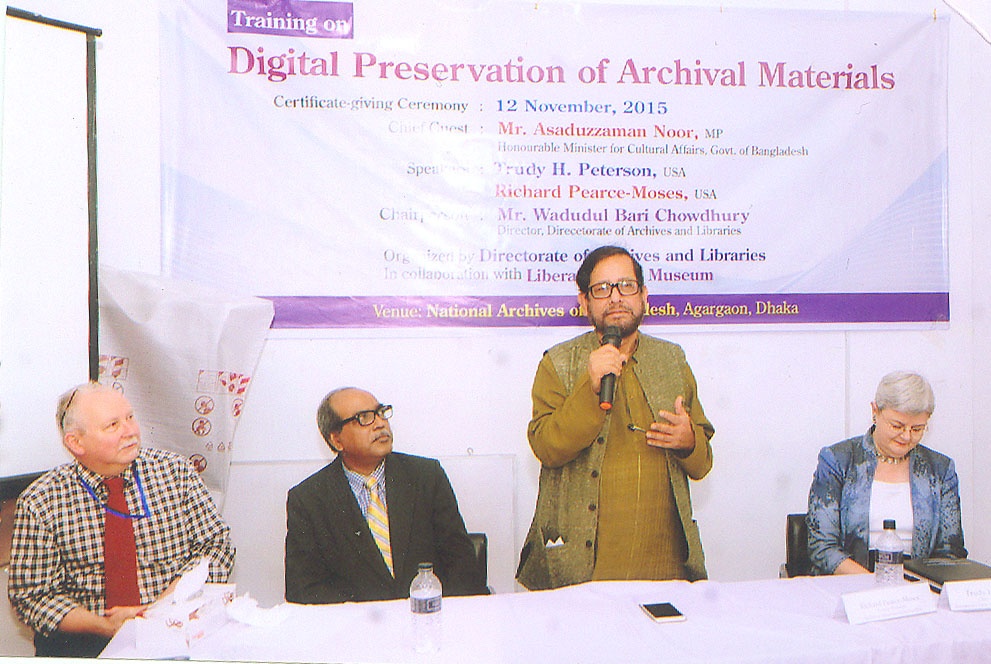
Digital Preservation is the active management of digital content over time to ensure it remains accessible. It is not merely “backing up” data; it is the process of migrating files to modern formats, ensuring hardware compatibility, and maintaining metadata so the information remains searchable and meaningful.
Oral Traditions, on the other hand, are the vessels of history, morality, and social norms passed down through generations. Unlike a digital file, these are “living” records. They change with every teller and are dependent on human connection. Preservation here is not about freezing a story in time, but about capturing the context, intent, and emotional weight of the narrative.
Step-by-Step Guide
Preserving culture is a deliberate act. Whether you are an individual documenting family history or an organization archiving community narratives, follow this framework:
Identify and Prioritize: Not everything can be saved. Work with community stakeholders to identify what is most at risk—often, this is the knowledge held by the oldest members of a community or physical media (like VHS or cassette tapes) that is physically degrading.
Collect with Context: When recording an oral history, do not just capture the words. Record the environment, the speaker’s relationship to the subject, and the cultural nuances of the dialect. Use high-quality audio or video equipment to ensure the recording itself does not become an obstacle to understanding.
Digitize with Standards: Use archival-quality formats. For audio, use uncompressed formats like WAV (24-bit/96kHz); for images, use TIFF or RAW. Avoid proprietary formats that may become obsolete.
Implement Metadata Practices: A file without context is just noise. Use the Dublin Core metadata standard or similar frameworks to tag your records with the “Who, What, Where, When, and Why.”
Establish Redundancy: Follow the 3-2-1 rule of data storage: Keep 3 copies of your data, on 2 different media types, with 1 copy stored off-site (preferably in a cloud-based archival service or a secure server).
Create Access Points: Preservation is useless if it is inaccessible. Build a community-facing portal, whether it is a website, a digital library, or a local museum exhibit, that allows the culture to remain “living” by letting the community interact with the archives.
Examples or Case Studies
The Endangered Languages Project serves as a premier example of how digital tools can revitalize oral traditions. By creating an online platform where speakers can upload audio clips of rare languages, they have turned static linguistic records into an interactive, globally accessible resource. It effectively bridges the gap by using digital infrastructure to house intangible, oral heritage.
Another profound example is the Smithsonian’s Recovering Voices program. They utilize a collaborative approach, working directly with indigenous communities to document not just the artifacts, but the oral stories associated with them. By pairing a physical object with a digital oral history recording, they provide a holistic view of the culture that a museum placard never could.
Common Mistakes
The “Archive-and-Forget” Trap: Many organizations digitize records and then place them on a hard drive that is never checked. Digital files “bit rot” over time; without periodic integrity checks and migration, the data will become corrupted and unreadable.
Stripping Context: Recording a story without capturing the cultural background is a mistake. If a listener doesn’t understand the societal role of the speaker, the story loses its significance.
Top-Down Imposition: Attempting to preserve a culture without the input of the people who live it is not preservation; it is appropriation. Always ensure that the community has agency over what is shared and how it is represented.
Neglecting Intellectual Property: Oral traditions often belong to a community or a family. Failing to navigate the ethics of ownership and consent can lead to the exploitation of cultural knowledge.
Advanced Tips
For those looking to take their preservation efforts to the next level, consider these strategies:
Blockchain for Provenance: In an age of deepfakes and misinformation, using blockchain technology can help verify the authenticity of cultural records. By creating a cryptographic trail, you ensure that the oral history or the digital record has not been tampered with.
Community-Led Curation: Move away from the “expert-led” model. Allow community members to curate their own digital collections. When a community decides what is important to share, the preservation effort gains legitimacy and longevity.
Embrace “Living” Archives: Don’t treat your archive as a closed box. Allow for comments, additions, and ongoing discussions. When an oral history is recorded, invite younger generations to provide their own interpretations. This keeps the culture relevant and evolving, rather than turning it into a museum piece.
Conclusion
Cultural preservation is the bridge between our past and the future. By maintaining digital records with technical rigor and treating oral traditions with the human respect they deserve, we ensure that the richness of human history is not lost to the digital void. We must move beyond the idea of preservation as a static task and embrace it as a continuous, community-driven process. Whether you are safeguarding a family recipe, a rare language, or a community’s foundational myth, your work is a vital contribution to the global tapestry of human identity. Start small, be consistent, and always keep the human element at the center of your technical efforts.