Introduction: Bridging the gap between the algorithmic and the intuitive.
Key Concepts: Defining cryptographic entropy vs. stochastic divination.
The Intersection: Why chaos is the common language of both systems.
Step-by-Step Guide: Implementing a “Hybrid Randomization” framework.
Case Studies: Hardware Random Number Generators (HRNG) vs. traditional systems.
Common Mistakes: The fallacy of pseudorandomness in both tech and ritual.
Advanced Tips: Utilizing thermal noise and atmospheric interference.
Conclusion: Embracing the spectrum of uncertainty.
The Ghost in the Machine: Analyzing Cryptographic Entropy and the Art of Divination
Introduction
For centuries, humanity has looked to the cracks in reality to find answers. From the casting of yarrow stalks in the I Ching to the reading of tea leaves, the core mechanism of divination is the exploitation of randomness. We seek patterns in the noise, hoping that the universe—or our subconscious—will speak through the unpredictable.
Today, we have a more rigorous way of measuring this “unpredictability”: cryptographic entropy. In computer science, entropy is the measure of uncertainty in a data source. It is the lifeblood of security, ensuring that the keys protecting our global infrastructure cannot be guessed or replicated. When we analyze the intersection of these two worlds—the high-stakes security of modern computing and the ancient practice of seeking meaning in chaos—we discover that both rely on the same fundamental truth: true randomness is the rarest, most valuable resource in existence.
Key Concepts: The Architecture of Uncertainty
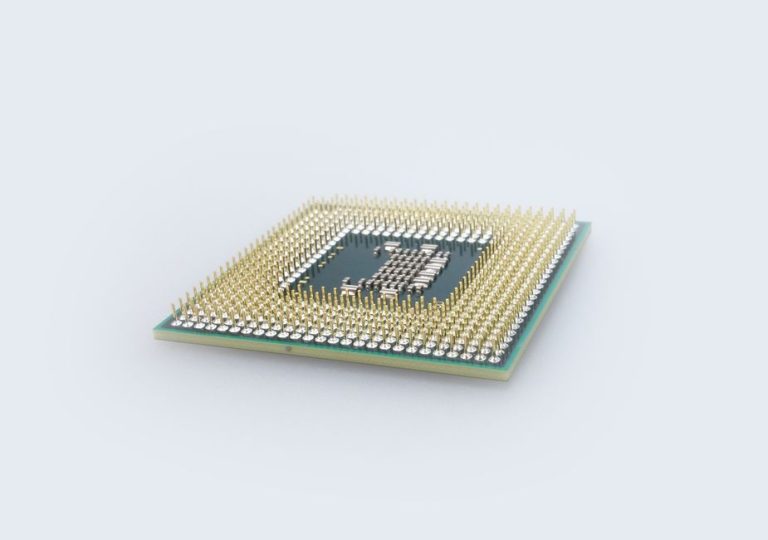
To understand the intersection, we must first define our terms. In cryptography, entropy refers to the randomness collected by an operating system or application. Sources include keyboard timings, mouse movements, or specialized hardware that measures thermal noise in transistors. If a system has low entropy, its output is predictable; if it has high entropy, it is secure.
In divination, the concept is mirrored through stochastic systems. Whether it is a coin flip or the shuffle of a tarot deck, the goal is to break the causal chain of the observer. Divination seeks to bypass the conscious, logical mind by introducing an external, chaotic variable that the ego cannot manipulate. Both systems share a singular objective: the generation of a state that is free from pre-determined influence.
The bridge between them is the source of signal. In computing, we call it a “seed.” In divination, we call it a “sign.” Both are simply methods of initiating a cascade of events from a high-entropy starting point.
Step-by-Step Guide: Building a Hybrid Randomization Framework
Whether you are building a secure encryption key or conducting a meditation on future possibilities, the principles of high-quality entropy remain the same. Follow this framework to ensure your inputs are as “random” as possible.
Identify the Physical Source: In computing, use a Hardware Random Number Generator (HRNG). In divination, use a physical act that involves complex mechanical movement, such as shaking dice or shuffling cards at least seven times to achieve true randomization.
Introduce Environmental Noise: Computers pull entropy from background radiation or fan vibration. In ritual work, introduce environmental variables—open a window, use ambient sounds, or incorporate non-linear environmental changes. This prevents your own bias from “seeding” the outcome.
Ensure Non-Repetitive Seeding: Just as a computer shouldn’t use the same time-stamp to seed a random number generator, you should not perform divination in a “locked” state of mind. Use a “reset” protocol—such as silence or a brief meditative pause—to clear the previous session’s cognitive baggage.
Quantify the Output: In encryption, you check for bias in the bitstream. In divination, record the results objectively. Do not interpret immediately; treat the result as raw data, free from the desire for a specific outcome.
Examples and Case Studies: From Silicon to Soul
Consider the difference between pseudorandomness and true randomness. A standard computer program generates numbers based on an algorithm starting with a seed. If you know the seed, you know every future number. Many people approach divination with this same flaw: they “seed” the ritual with their own deep-seated fears or desires. If you ask the cards, “Will I get this job?” you have seeded the randomness with your own bias.
Case Study 1: Thermal Noise Generators (The Tech Side)
High-security servers use sensors to measure thermal noise—the random vibration of atoms in a resistor. Because this process is governed by quantum mechanics, it is theoretically impossible to predict. This is the “gold standard” of entropy.
Case Study 2: The Dice of the Oracle (The Traditional Side)
In traditional cleromancy (divination by casting objects), practitioners often use dice made of different weights or materials. By shaking these in a closed, irregular vessel, they maximize the collisions between the objects. This is a physical analog to the thermal noise generator; it maximizes kinetic entropy to ensure the result is not a product of the thrower’s muscle memory.
Common Mistakes: The Trap of Determinism
The Illusion of Pattern: Humans are biologically hardwired to see patterns where none exist. In cryptography, this is known as “frequency analysis.” In divination, it’s called “confirmation bias.” Acknowledging that your brain is searching for a specific pattern is the first step toward neutralizing it.
Lowering the Entropy Threshold: Using a digital “tarot app” often relies on a pseudo-random number generator (PRNG). These are algorithms, not truly random events. Using an algorithm to predict the future is a closed loop—it is merely a reflection of the code, not an expansion into the unknown.
Neglecting the Hardware (The Observer): In computing, a malfunctioning sensor ruins the entropy. In ritual, a distracted or emotionally compromised observer ruins the “seeding” of the act. If your internal state is highly biased, the output will reflect that bias rather than external reality.
Advanced Tips: Deepening the Entropy
To achieve a higher fidelity in your outcomes, consider the “Noise Integration” technique. In cryptanalysis, designers combine multiple sources of entropy—a practice known as entropy pooling. They mix keyboard latency, disk seek times, and thermal noise into one single, massive source of randomness.
You can apply this to your own life and decision-making processes. Don’t rely on a single method of intuition. If you are facing a massive decision, combine “sources.” Use a logical pros-and-cons list (the algorithmic side) paired with a high-entropy physical action, like visiting a location you’ve never been to, to observe how your instincts react in a novel environment. By “pooling” your sources of information, you create a more secure, less biased foundation for your decisions.
True randomness is not just the absence of order; it is the presence of infinite potential. When you treat your decisions like a cryptographic system, you stop guessing and start processing reality with higher precision.
Conclusion
The intersection of cryptographic entropy and divination reveals a profound commonality: we are all trying to extract a signal from a noisy, unpredictable universe. Whether you are safeguarding a blockchain or seeking guidance from the I Ching, the quality of your results depends entirely on the quality of your randomness.
By removing bias, embracing physical chaos, and understanding the difference between algorithmic patterns and true entropy, you can transform your approach to uncertainty. Stop trying to control the outcome; focus on the purity of the input. When you master the entropy, you master the ability to see the world as it truly is—a vast, beautiful, and fundamentally open system.