The Crisis of Purpose: Redefining Human Worth in a Post-Scarcity World
Introduction
For centuries, the human narrative has been defined by the struggle against scarcity. Our systems of governance, education, and social hierarchy are built upon a foundation of economic utility—the idea that an individual’s value to society is measured by their output, productivity, and ability to generate capital. We are taught from childhood that to “be someone,” we must “do something” that the market deems valuable.
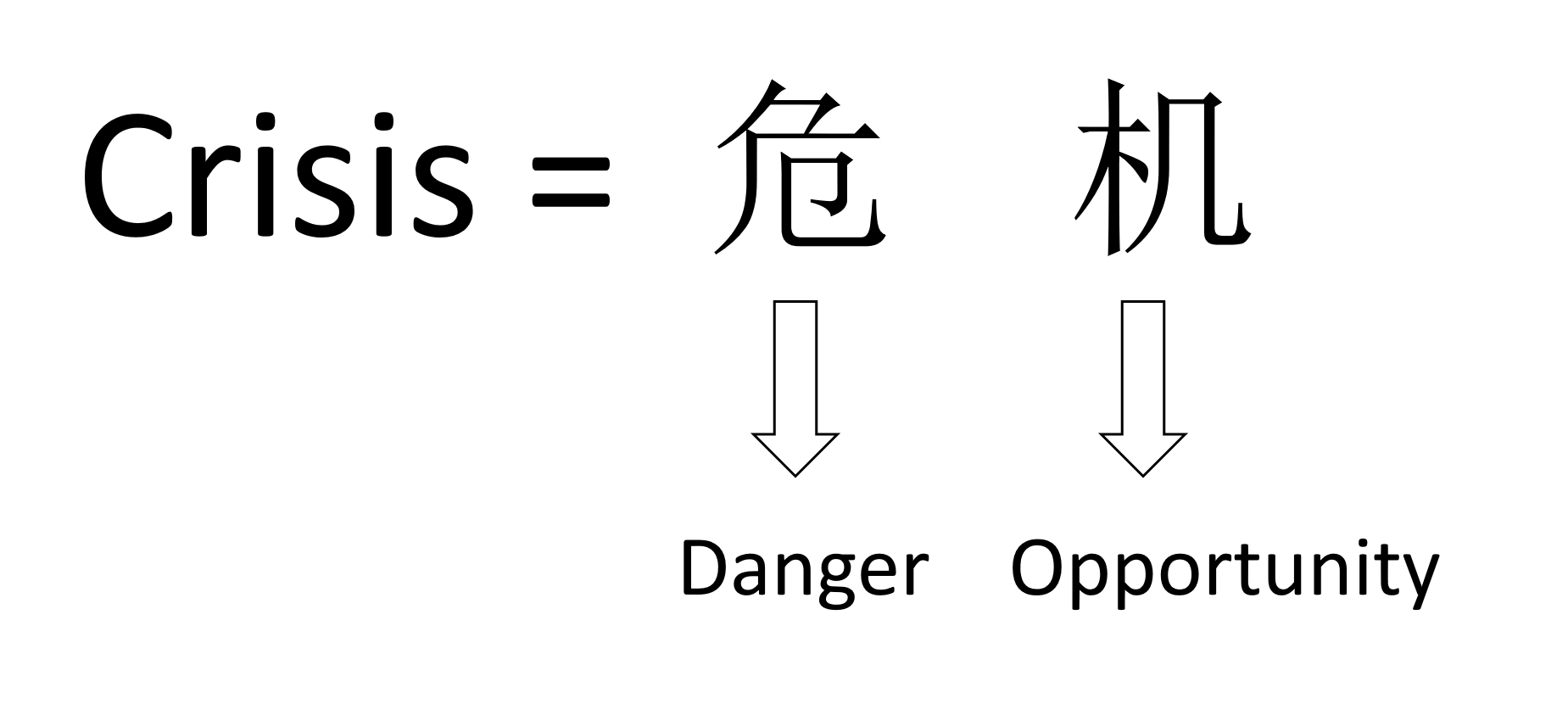
However, we are standing on the precipice of a post-scarcity era. Through advancements in artificial intelligence, robotics, and synthetic biology, the cost of meeting basic human needs—food, shelter, energy, and information—is trending toward zero. While this transition promises unprecedented liberation, it also triggers a profound psychological crisis. If your survival is no longer contingent on your labor, and your labor is no longer the primary driver of the economy, who are you? To thrive in this new reality, we must decouple our personal worth from our economic utility.
Key Concepts
The primary hurdle to navigating a post-scarcity world is the Protestant Work Ethic legacy. We have internalized the belief that leisure is a reward for labor, and that idleness is a moral failing. In a post-scarcity framework, this logic collapses.
Economic Utility is the metric by which we measure a person’s contribution to the market. When machines can perform cognitive and physical tasks more cheaply and accurately than humans, the market value of human labor approaches zero. This does not mean humans are useless; it means our utility is no longer the correct metric for value.
Intrinsic Purpose is the antidote. It is the pursuit of activities—creative, relational, investigative, or meditative—that are done for their own sake rather than for an external result. In a post-scarcity world, the transition from “what do I do for a living?” to “what do I do for a life?” is the single most important shift an individual can make.
Step-by-Step Guide: Transitioning Your Identity
Audit Your Current Value System: Make a list of your daily activities. Identify which ones you perform purely because you feel a sense of obligation or external pressure to be “productive.” Acknowledge that these are remnants of a scarcity-based mindset.
Distinguish Between Career and Calling: Separate your professional identity from your personal essence. If you lost your current job tomorrow, would you still engage in your current hobbies? If yes, that is a core part of your identity. If no, that is merely a transactional role.
Cultivate “Unproductive” Competence: Dedicate time to mastering a skill that has no market value. Learn to paint, garden, philosophize, or play an instrument. The goal is to experience the joy of mastery without the pressure of monetization.
Redefine Contribution: Shift your definition of contribution from “output” to “presence.” In a world where labor is automated, your value resides in your relationships, your empathy, your mentorship, and your ability to foster community.
Practice Radical Leisure: Consciously practice doing nothing or doing something for no external gain. This is difficult because it triggers the “guilt of idleness.” By pushing through this discomfort, you retrain your brain to value experience over output.
Examples and Case Studies
Consider the “maker” culture that exists within high-end hobbyist communities. Woodworkers, amateur astronomers, and historical researchers often invest thousands of hours into projects that have zero economic return. When asked why they do it, they rarely speak of “utility.” They speak of the flow state, the satisfaction of discovery, and the connection to their craft.
The transition to post-scarcity is not about the end of work; it is about the end of coerced work. It is the transition from labor as a survival mechanism to labor as a self-actualization mechanism.
We see this transition beginning today in early retirement and “FIRE” (Financial Independence, Retire Early) communities. Many individuals who reach financial independence experience a “crisis of purpose” within six months. Those who navigate this successfully are not the ones who continue to work for money, but the ones who pivot toward mentorship, local governance, or artistic endeavors that serve their local community rather than the global market.
Common Mistakes
The Productivity Trap: Many people attempt to solve the loss of utility by turning their hobbies into “side hustles.” This is a mistake. It forces your passions back into the scarcity mindset where they must be monetized to be valid.
Social Comparison: In a scarcity world, we compare ourselves based on status symbols derived from wealth. In a post-scarcity world, seeking status through consumption will lead to a hollow existence. Seek status through contribution, not accumulation.
Passive Consumption: Replacing work with endless entertainment (streaming, scrolling, gaming) is a recipe for depression. True post-scarcity requires active engagement with the world, not passive consumption of content.
Isolation: Without the workplace as a social anchor, many will retreat into isolation. You must intentionally build communities based on shared interests rather than shared job titles.
Advanced Tips
To truly thrive, you must adopt a philosophy of curation. In a world where you can have anything, you must become an expert at choosing what you don’t want. Scarcity forced us to choose what we could afford; post-scarcity forces us to choose what is meaningful.
Furthermore, look toward relational capital. In a post-scarcity society, the most valuable currency is trust, reputation, and human connection. These are the things that machines cannot automate. Your ability to build deep, meaningful, and lasting bonds with others will be the primary indicator of your success in a post-economic future.
Finally, engage in interdisciplinary learning. The future belongs to the polymath. Because you are no longer constrained by the need to specialize for a single job role, you have the freedom to synthesize ideas across fields, leading to breakthroughs that narrow specialists would never envision.
Conclusion
The transition into a post-scarcity society is the greatest challenge and opportunity humanity has ever faced. We are moving from a history defined by the struggle to exist to a future defined by the struggle to be. Reconciling the loss of economic utility is not a process of losing your value; it is a process of uncovering your inherent value.
By shifting your focus from the market to the self, and from output to connection, you prepare yourself for a world where your potential is limited only by your imagination, not by your necessity. The goal is not to be a productive cog in a machine, but to be a fully realized human being living in a world of abundance.