The Science and Practice of Contrast Therapy: Mastering the Cold Plunge and Sauna Cycle
Introduction
For centuries, cultures from the Nordic regions to ancient Rome have utilized the interplay of extreme heat and cold to improve vitality. Today, this practice—commonly known as contrast therapy—has moved from exclusive high-end spas into the backyards and recovery centers of everyday athletes and professionals. The “Cold Plunge Sauna” protocol is not merely a trend; it is a physiological reset button that triggers profound hormonal, cardiovascular, and neurological responses. Whether you are looking to accelerate muscle recovery, boost your immune system, or build psychological resilience, understanding how to cycle these two extremes effectively is essential.
Key Concepts
To understand why combining heat and cold is so effective, you must first understand the physiological mechanisms at play in each environment.
The Sauna Effect (Hyperthermic Conditioning): When you enter a sauna, your core body temperature rises. This triggers a process called vasodilation, where your blood vessels widen to increase blood flow to the skin’s surface in an attempt to cool the body. This mimics the cardiovascular effects of moderate exercise, lowering blood pressure and stimulating the release of heat shock proteins, which aid in cellular repair.
The Cold Plunge Effect (Cryotherapy): Conversely, cold immersion triggers vasoconstriction. Your blood vessels narrow, shunting blood away from your extremities and toward your vital organs to preserve core temperature. This rapid cooling reduces systemic inflammation, dulls pain receptors, and triggers a massive release of norepinephrine, a neurotransmitter associated with focus, mood regulation, and energy levels.
The Contrast Mechanism: By alternating between these two states, you create a “vascular pump.” Your blood vessels rapidly dilate and constrict, which helps flush out metabolic waste products (like lactic acid) from muscle tissue and improves overall circulation. This cycle is the foundation of the modern recovery protocol.
Step-by-Step Guide
If you are new to contrast therapy, do not jump into extreme durations immediately. Follow this structured approach to build tolerance and maximize safety.
The Warm-Up: Spend 10–15 minutes in the sauna at a temperature between 170°F and 190°F. Your goal is to reach a state of deep sweating. If you feel dizzy or lightheaded, exit immediately.
The Transition: Move directly from the sauna to the cold plunge. Do not spend time lingering in the air; the goal is to keep the heat within your core as you enter the water.
The Plunge: Submerge your body up to the neck. If the water is 50°F or below, stay for 1 to 3 minutes. Focus on controlled, slow nasal breathing to calm your nervous system.
The Recovery: After the plunge, sit for 5–10 minutes at room temperature. This is known as the “after-drop,” where your body continues to regulate its temperature.
The Cycle: Repeat this heat-to-cold cycle 2 to 3 times. Always end on a cold note if your goal is inflammation reduction, or a warm note if your goal is deep relaxation and sleep preparation.
Examples or Case Studies
Case Study 1: The High-Performance Athlete: A professional marathon runner uses the cold plunge/sauna cycle twice weekly. By implementing a 15-minute sauna session followed by a 3-minute, 45°F plunge, the athlete reports a 30% reduction in delayed onset muscle soreness (DOMS) after high-mileage weeks. The systemic inflammation reduction allows them to maintain a higher training volume without injury.
Case Study 2: The Corporate Professional: A software engineer struggling with burnout uses a modified version of this practice. By taking a 5-minute sauna followed by a 60-second cold shower every morning, they report significantly higher cognitive clarity and mood stability throughout the workday. The cold exposure acts as a “dopamine hit” that replaces the need for excessive caffeine consumption.
Common Mistakes
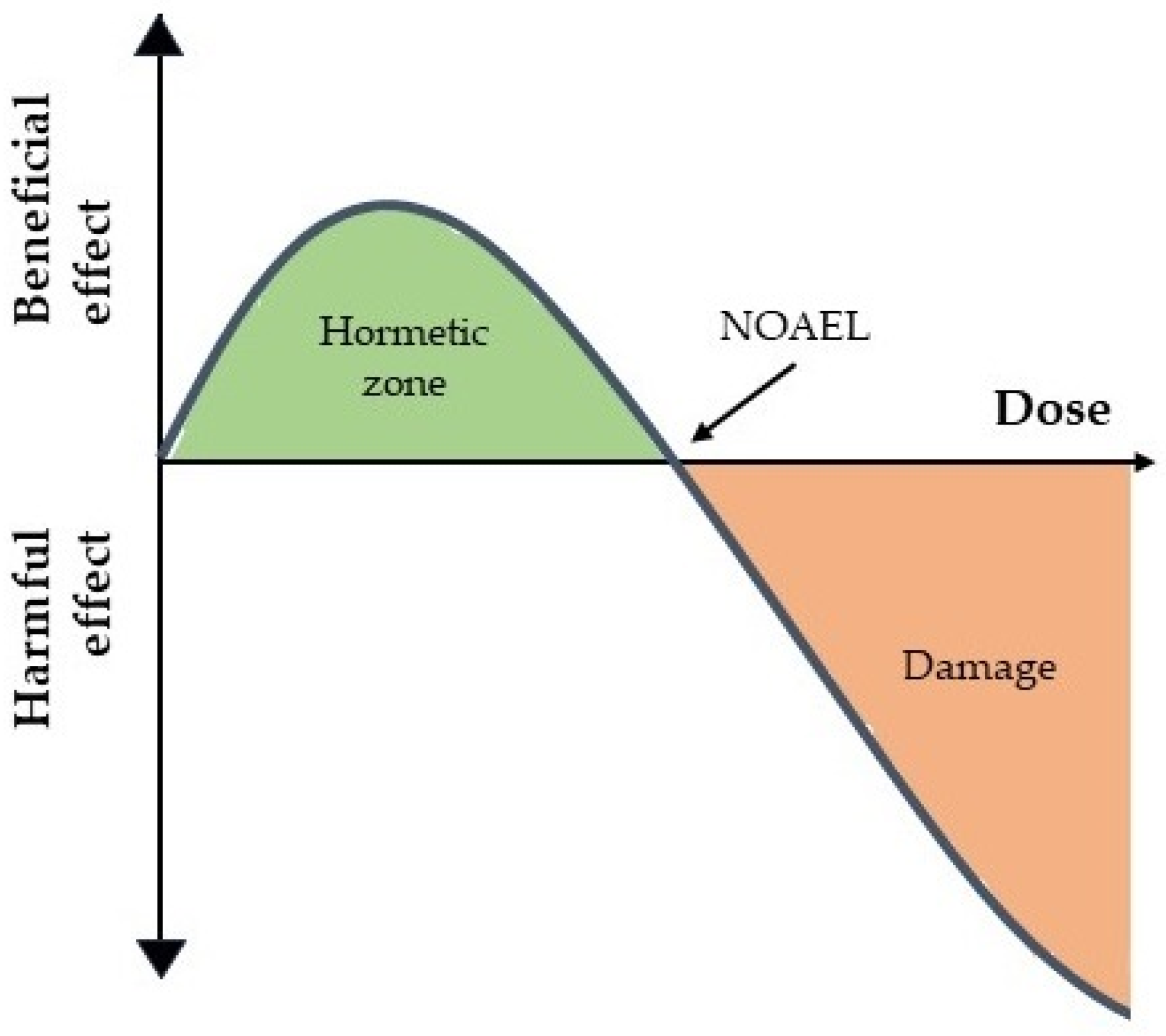
Overstaying in the Cold: More is not always better. Staying in ice water for 10+ minutes can lead to excessive shivering, which actually creates more muscle tension and exhaustion rather than recovery.
Ignoring Hydration: You lose significant water weight through sweat in the sauna. Failing to rehydrate with electrolytes before and after the plunge will lead to headaches and fatigue.
The “Shock” Factor: Diving into 35°F water without preparation can cause a “cold shock response,” leading to gasping and potential hyperventilation. Always enter slowly and use controlled breathing.
Inconsistent Timing: Doing this sporadically yields minimal results. Consistency is key to adapting your cardiovascular system to the temperature fluctuations.
Advanced Tips
Once you are comfortable with the basics, you can refine your protocol to achieve specific outcomes.
“The secret to the cold plunge is not the temperature of the water, but the regulation of your breath. If you can control your exhale, you can control your panic.”
Optimizing for Sleep: If you use this protocol in the evening, finish with the sauna. The heat promotes vasodilation, which helps dissipate core body heat once you exit, signaling to your brain that it is time to sleep.
Increasing Dopamine: To maximize the mood-boosting effects of cold, ensure your head is submerged for at least a few seconds during the plunge. The cold stimulation of the scalp and neck area has been shown to increase norepinephrine levels significantly more than body-only immersion.
Breathwork Integration: Use “box breathing” (inhale 4 seconds, hold 4, exhale 4, hold 4) during the sauna to build CO2 tolerance. Use short, sharp exhales during the first 30 seconds of the cold plunge to manage the initial stress response.
Conclusion
The cold plunge and sauna cycle is a powerful tool for anyone looking to optimize their biological performance. By subjecting your body to controlled stressors, you are effectively training your vascular system, your nervous system, and your mindset. Start slow, prioritize your safety, and listen to your body’s signals. Over time, you will find that the initial discomfort of the ice is quickly replaced by the lasting benefits of improved recovery, sharper focus, and a more resilient constitution. Integrate this practice into your routine not as a chore, but as a non-negotiable investment in your long-term health.