
Uncategorized
-
The Vulnerability Paradox: Why Elite Leaders Lose When They Stop Being ‘Bad’ at Martial Arts
We often frame martial arts for executives as a tool for dominance—an ‘operating system’ for crushing competition and mastering the OODA loop. But there is a dangerous trap inherent in this pursuit of professionalized combat: the obsession with competency. When a high-performing CEO walks into a dojo, they bring their corporate drive to ‘win’ and…
-

The Counter-Intuitive Trap: When Your Experience Becomes Your Greatest Blind Spot
In the architecture of high-performance, we often celebrate medical intuition as the ultimate executive superpower—a shortcut through the noise of data saturation. But there is a dangerous, often unspoken, inverse to this capability: the Intuition Trap. While intuition is compressed expertise, it is also highly susceptible to hardening into prejudice. For the C-suite leader or…
-

Decision-Fatigue Architecture: Why Your Strategic Process Needs a ‘System Reset’ Protocol
In our last piece, we established that meditation is an operational necessity—a form of cognitive weightlifting for the executive mind. But there is a glaring hole in how high-performers execute this: the assumption that the mind is a container that simply needs to be emptied. The Architecture of the ‘Stale Decision’ Most executives are operating…
-

Beyond Calm: Why Radical Discomfort is the New Executive Performance Metric
In the high-performance canon, we have spent years obsessing over regulation. We talk about mindfulness as a tool for stabilization, a way to lower the heart rate, and a method to keep the executive cool under fire. But there is a dangerous plateau in the pursuit of calm: when you optimize only for equilibrium, you…
-
Beyond the Reset: Why Intuitive Synthesis Outperforms Analytical Strategy
In the world of high-performance business, we are obsessed with input. We consume books, podcasts, and data reports, believing that the right information will lead to the right decision. We view the brain as a processor—a high-speed computer that needs to be overclocked to stay ahead of the competition. But as any veteran operator knows,…
-

The Stoic CEO: Why ‘Equanimity’ is the New Competitive Moat
In the previous installment, we explored Vipassana as the ultimate software update for the executive brain. But let’s address the elephant in the boardroom: Why do so many high-performers fail to maintain the state of ‘equanimity’ once the retreat is over? The issue isn’t the meditation technique; it’s the business environment. We live in an…
-
Biological Debt: Why Your ‘Energy’ Crisis Is Actually a Structural Latency Issue
In the high-stakes world of executive performance, we treat fatigue like a software bug—something to be patched with caffeine, nootropics, or sleep trackers. But what if your persistent ‘energy crisis’ isn’t a lack of fuel, but a failure of data transmission? If we view the body through the lens of the meridian network, the modern…
-
Biological Bankruptcy: Why Your High-Performance Habits Are Actually Liability Traps
In the quest for peak output, the modern executive has become a master of bio-hacking. We treat our bodies like experimental laboratories: cold plunges at 5:00 AM, exogenous ketones for mid-morning focus, and a suite of wearables tracking every heartbeat. We are obsessed with optimization. But there is a dangerous fallacy in this approach: we…
-
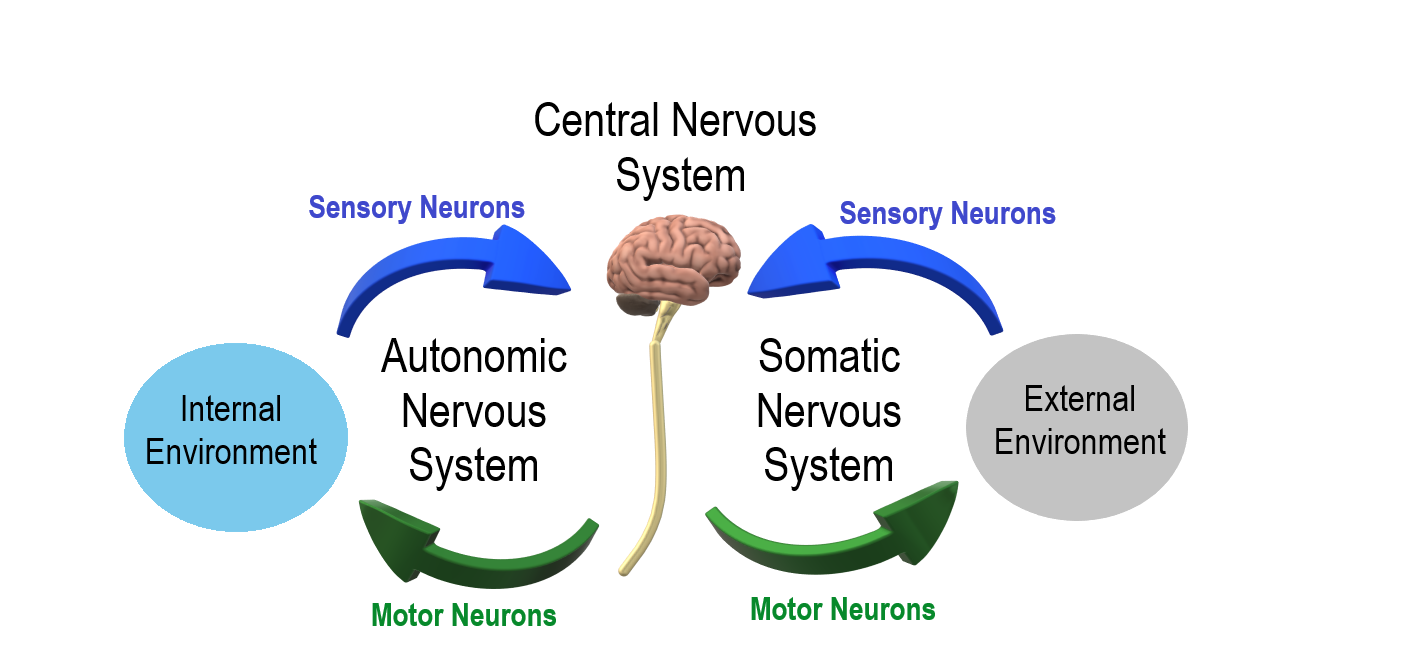
The Somatic Negotiator: Why Your Physiology is Your Greatest Competitive Advantage
The Somatic Negotiator: Why Your Physiology is Your Greatest Competitive Advantage In the world of high-stakes leadership, we treat our bodies like biological life-support systems for our brains. We optimize the mind with nootropics and data, but we leave the hardware—the physical vessel of our leadership—to fend for itself. While the Alexander Technique teaches us…
-
Olfactory Interference: Why Your Office Environment is Sabotaging Your Neuro-Efficiency
In our previous exploration of olfactory neuromodulation, we established that scent is a high-bandwidth data channel directly to the brain’s executive center. However, if you are treating your office as a neutral zone waiting to be ‘optimized’ by aromatherapy, you are operating on a flawed premise. The modern executive workspace is not a blank canvas;…