
Uncategorized
-

Beyond the Engine: Why the Space Economy is Moving from ‘Hardware’ to ‘High-Voltage’ Utility
The Invisible Constraint: Power, Not Propulsion In the evolving narrative of the space economy, plasma propulsion is frequently cast as the protagonist—the high-Isp hero that saves us from the tyranny of chemical mass fractions. But focusing solely on the thruster is a legacy mindset. If the last decade was about the launch vehicle revolution, the…
-

The Post-Physical Paradox: Why Supersonic Speed Will Actually Reduce Your Travel Budget
Conventional wisdom dictates that upgrading from subsonic business jets to the upcoming generation of Quiet Supersonic Technology (QST) is an exercise in excess—a luxury play for firms with bottomless travel budgets. This is a fundamental miscalculation of the economics of speed. In the coming era of supersonic commerce, the most successful leaders will not use…
-

The Autonomy Trap: Why Your Business Should Stop Waiting for Level 5
For years, the business world has been paralyzed by the ‘Level 5 Obsession’—the belief that full, steering-wheel-free automation is the only milestone that matters. Executives, investors, and logistics operators have spent billions preparing for a ‘big bang’ moment of total autonomy. But while the industry chases the phantom of a perfect robot driver, they are…
-

The Post-Rocket Hegemony: Why Earth-to-Orbit Logistics Will Decentralize
While the space elevator is frequently touted as the singular, grand solution to the tyranny of the rocket, there is a dangerous strategic bias in banking on a single, massive infrastructure project. The current discourse focuses on building a terrestrial-to-geosynchronous tether as if we are once again constructing the Hoover Dam. However, for the modern…
-
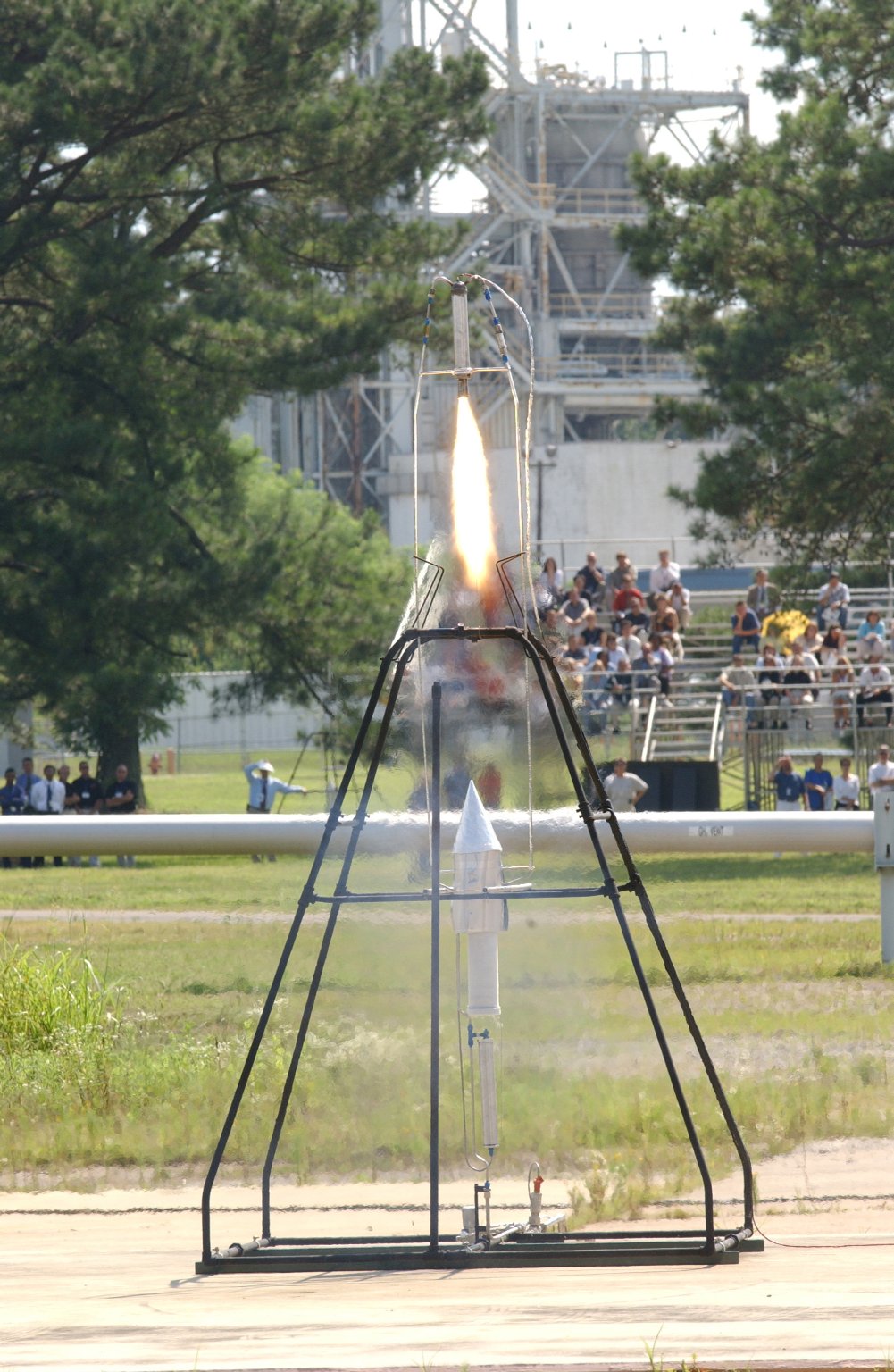
Beyond the Rocket: Why Your Supply Chain Needs an Orbital ‘Last Mile’ Strategy
In the evolving landscape of the Second Space Age, we have obsessed over the ascent. Investors, founders, and policy-makers are locked in a race to the bottom for the cheapest price-per-kilogram to orbit. While this ‘commodity launch’ focus is necessary to lower the barrier to entry, it represents a fundamental misunderstanding of what a mature,…
-

The Ghost in the Machine: Why V2X Will Redefine Urban Real Estate
We have spent years discussing Vehicular Communication Systems (V2X) as a solution for traffic flow and safety. But for the savvy investor or urban strategist, looking at V2X solely as a “driving upgrade” is a massive oversight. The true disruption of the connected grid isn’t moving cars faster—it’s the total decoupling of urban real estate…
-

The Predator’s Dilemma: Why Regenerative Systems Eventually Outperform Aggressive Extraction
In the original blueprint for the Eden Project, we explored the architecture of regenerative enterprise. We argued that businesses that restore their ecosystems—rather than just mining them—achieve superior long-term durability. Today, we must address the contrarian reality: Regeneration is not just a moral choice; it is an economic survival tactic against the inevitable collapse of…
-
The Bioshelter Talent War: Why Resilience is Your Best Recruitment Strategy
In the previous analysis of the Bioshelter Paradigm, we identified infrastructure as a critical vulnerability for the modern enterprise. But shifting the conversation from facility management to talent retention reveals an even more pressing reality: The bioshelter is no longer just a hedge against grid failure—it is the ultimate competitive advantage in the war for…
-

The Agri-Tech Paradox: Why Vertical Farming Is Failing Where Seawater Greenhouses Will Succeed
In the last five years, venture capital has poured billions into the ‘vertical farming’ craze—a movement characterized by LED-drenched, climate-controlled warehouses in urban industrial parks. The promise was total control: absolute predictability, zero pesticides, and ultra-short supply chains. Yet, as bankruptcy filings mount for industry giants, the model is proving to be a cautionary tale…
-
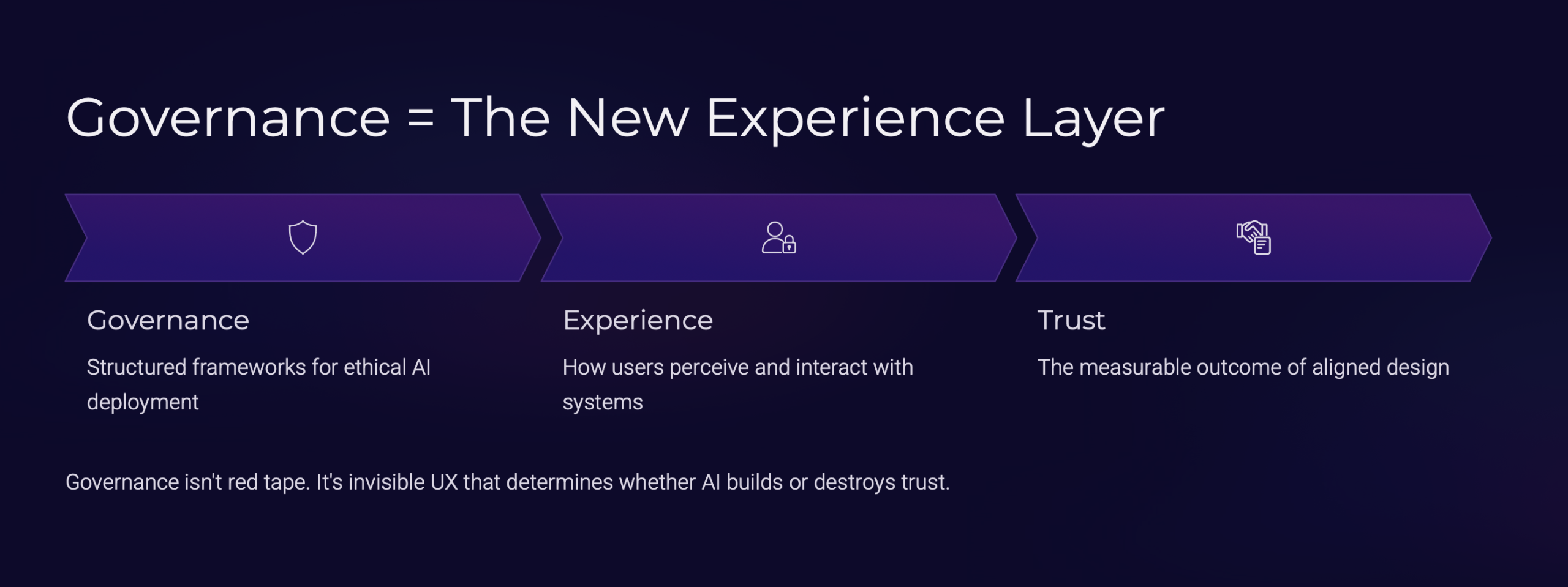
The Governance Trap: Why Friction is Actually a Feature of Resilient Systems
In our current race toward frictionless, real-time e-democracy, we risk falling into a dangerous optimization trap. While the argument for reducing ‘governance latency’ is compelling for the sake of efficiency, we must confront a contrarian truth: institutional resilience often depends on the very friction we are so eager to eliminate. The Danger of Low-Latency Governance…