
Uncategorized
-

The Post-Hardware Era: Why Nanoradio Demands a New Data Strategy
In the transition toward nanoradio technology, most leadership discourse is fixated on the physics of the transducer—how we shrink the antenna or capture signals at the terahertz scale. But for the CTO or Chief Data Officer at thebossmind.com, the physical hurdle is merely the precursor to a much larger, more daunting problem: the impending data…
-
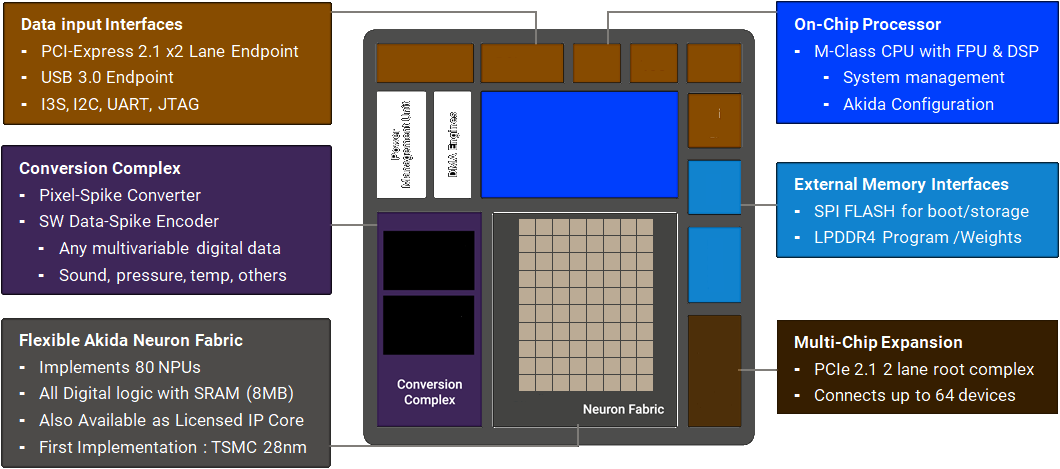
The Neuromorphic Trap: Why Building ‘Brains’ Requires Unlearning Logic
The excitement surrounding neuromorphic engineering is infectious. CTOs and systems architects are rightly captivated by the prospect of processors that sip milliwatts while performing complex inference. However, there is a dangerous, hidden friction point that most enterprise leaders are ignoring: The Software-Hardware Mismatch. The Legacy Fallacy: The ‘Black Box’ Migration The biggest mistake in adopting…
-

The Ghost in the Machine: Why RF Security is the Next Corporate Liability
In the C-suite, we spend millions protecting the digital perimeter. We harden our firewalls, implement Zero Trust architecture, and train employees to spot phishing attempts. Yet, we leave the physical layer of our networks—the very air our data breathes—entirely unprotected. While Software-Defined Radio (SDR) is often framed as a technical tool for engineers, it is…
-

The Voice-Actuation Paradox: Why Talking to Your Computer Is Making You Less Strategic
The Voice-Actuation Paradox: Why Talking to Your Computer Is Making You Less Strategic The tech industry is currently obsessed with the ‘velocity of thought.’ We are told that by bypassing the QWERTY keyboard, we gain a competitive edge. If we can speak at 150 words per minute, we are, by logical extension, three times more…
-

Beyond Silicon: Why Your AI Strategy is Failing Due to the Von Neumann Bottleneck
In the world of high-performance computing, we are currently obsessed with the ‘parameter count’ of LLMs and the clock speed of GPUs. However, the most significant obstacle to the next generation of AI isn’t the size of the neural network—it’s the physical distance the data has to travel to get there. We are effectively trying…
-

The Privacy Paradox: Why Subvocal Control is Your Greatest Risk and Best Asset
In our previous exploration of subvocal recognition, we framed the technology as the ultimate productivity hack—a bridge between raw human intention and digital execution. By bypassing the physical keyboard, we reclaim hundreds of milliseconds of latency. But as this tech moves from the lab to the boardroom, we must address the elephant in the room:…
-

Beyond the Pillar: Why Mechanical Stress is the New AI Bottleneck
In our previous exploration of Thermal Copper Pillar Bumps (TCPBs), we established that moving heat away from the silicon die is the primary objective of modern advanced packaging. However, as we chase higher densities and smaller footprints, a dangerous narrative has emerged: that thermal management is the only challenge. In reality, the industry is trading…
-
Beyond the Lab: Why ‘Twistronics’ Is a Supply Chain Revolution, Not Just a Physics Breakthrough
In the narrative of deep tech, we often suffer from ‘The Physics Fallacy’—the belief that if you discover a novel, game-changing material property, the market will inevitably beat a path to your door. We saw this with graphene, carbon nanotubes, and topological insulators. Twistronics, the art of tuning electronic properties via precise atomic stacking, is…
-
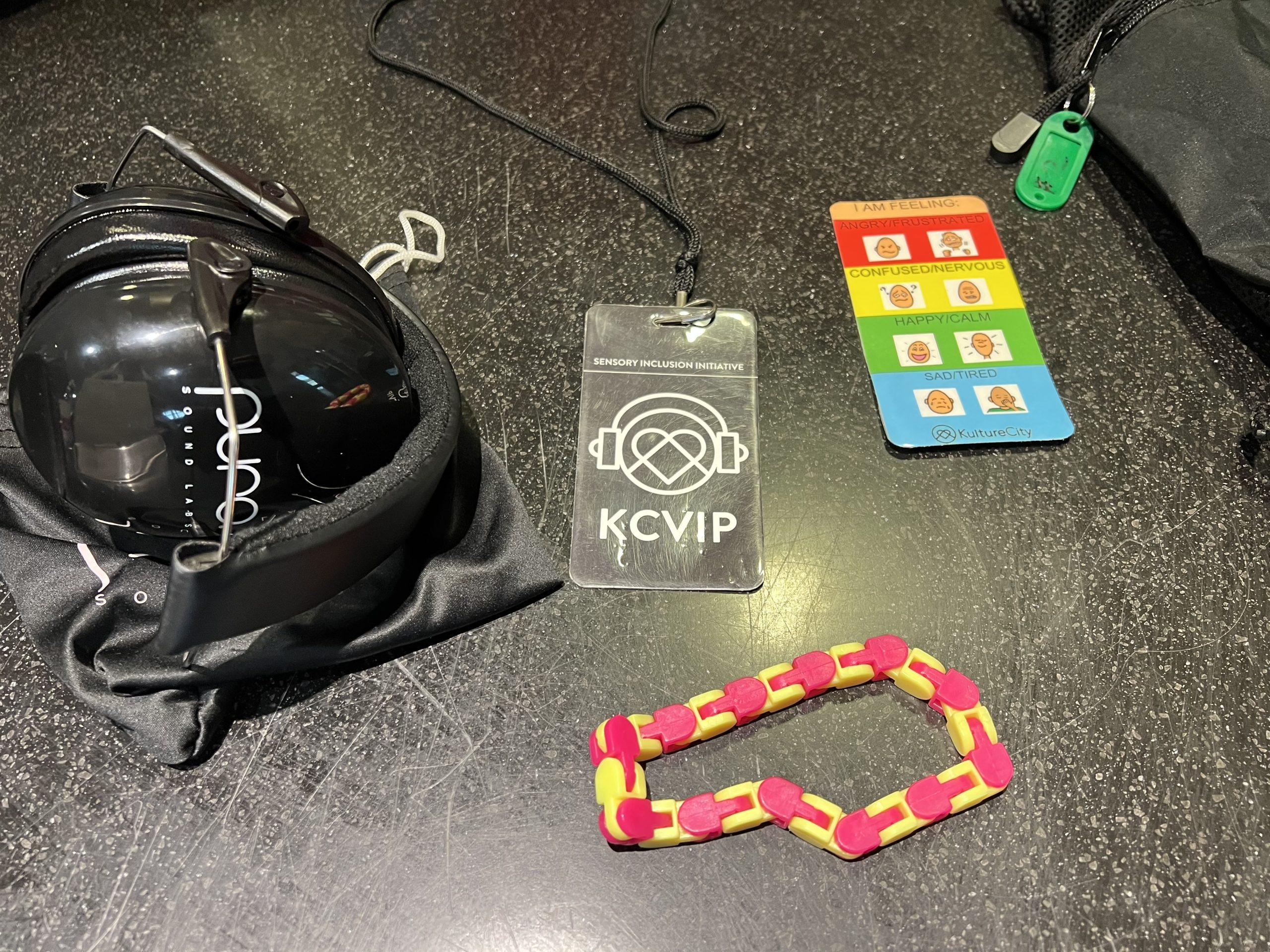
The Sensory Debt: Why Your Brand’s Next Great Asset is Non-Visual
In the world of high-stakes B2B strategy and luxury consumer marketing, we have spent two decades obsessed with the “pixels per inch” race. We chased higher resolutions, faster frame rates, and sharper contrast ratios, convinced that if we could just show the audience a better picture, they would buy the vision. But while we were…
-

Beyond Games: Why the ‘Thin Client’ Revival is the Future of Enterprise Productivity
In our previous deep dive, we explored how cloud gaming serves as the ultimate stress test for edge computing. But if you’re looking at this strictly as an entertainment play, you’re missing the bigger picture. The true impact of this infrastructure shift isn’t just about rendering pixels; it’s about the death of the ‘Heavy Client’…