
Uncategorized
-

Discuss the risks of cultural appropriation when ancient symbols are algorithmically generated for commercial digital media.
The Algorithmic Erasure: Navigating Cultural Appropriation in AI-Generated Media Introduction We are currently witnessing a seismic shift in how visual culture is produced. With the rise of generative AI, the barrier to entry for high-quality graphic design has vanished. A creator can type a prompt like “ancient Norse protective rune” or “sacred geometric patterns of…
-
Investigate the use of satellite imagery to monitor the physical integrity of remote,unexcavated metaphysical sites.
Outline Introduction: Bridging the gap between ancient metaphysical history and 21st-century aerospace technology. Key Concepts: Defining Multispectral Imaging, LiDAR, and Synthetic Aperture Radar (SAR) in the context of archaeological preservation. Step-by-Step Guide: The workflow for monitoring remote, unexcavated sites. Examples and Case Studies: Protecting the hidden landscapes of the Andes and the unmapped desert burial…
-
Evaluate the necessity of “digital repatriation,” where historical artifacts are returned via high-fidelity 3D scanning.
The Ethics of Preservation: Evaluating Digital Repatriation Through 3D Scanning Introduction For centuries, the world’s most prestigious museums have acted as repositories for human history, often housing artifacts acquired through complex, and sometimes controversial, colonial processes. As global discourse shifts toward decolonization and restorative justice, the demand for the physical repatriation of cultural heritage has…
-
Investigate the intersection of data mining and the study of historical occult patterns in digitized archival records.
Outline Introduction: Defining “Digital Esotericism”—the convergence of data science and historical mysticism. Key Concepts: Understanding OCR errors, semantic mapping, and network analysis in the context of rare manuscripts. Step-by-Step Guide: A workflow for ingesting, cleaning, and analyzing occult archives. Examples: Analyzing the “Voynich Manuscript” and the circulation of 17th-century grimoires via social network analysis. Common…
-

Critique the limitations of metadata schemas in capturing the non-linear, symbolic nature of esoteric cosmologies.
The Metadata Paradox: Why Our Digital Architectures Fail Esoteric Cosmologies Introduction In the digital age, we have an insatiable drive to categorize, label, and index the sum of human knowledge. From Dublin Core to Schema.org, our metadata standards are designed to make information discoverable and interoperable. Yet, when we apply these rigid, linear structures to…
-
Compare the archival standards of institutional museums versus grassroots digital preservation efforts for occult artifacts.
The Preservation of the Forbidden: Institutional Standards vs. Grassroots Digital Archiving for Occult Artifacts Introduction The preservation of occult artifacts presents a unique collision between the rigid, scientific methodologies of traditional museum curation and the fluid, decentralized nature of esoteric practice. For centuries, institutional museums have viewed magical objects—grimoires, ritual tools, and talismans—as ethnographic curiosities…
-
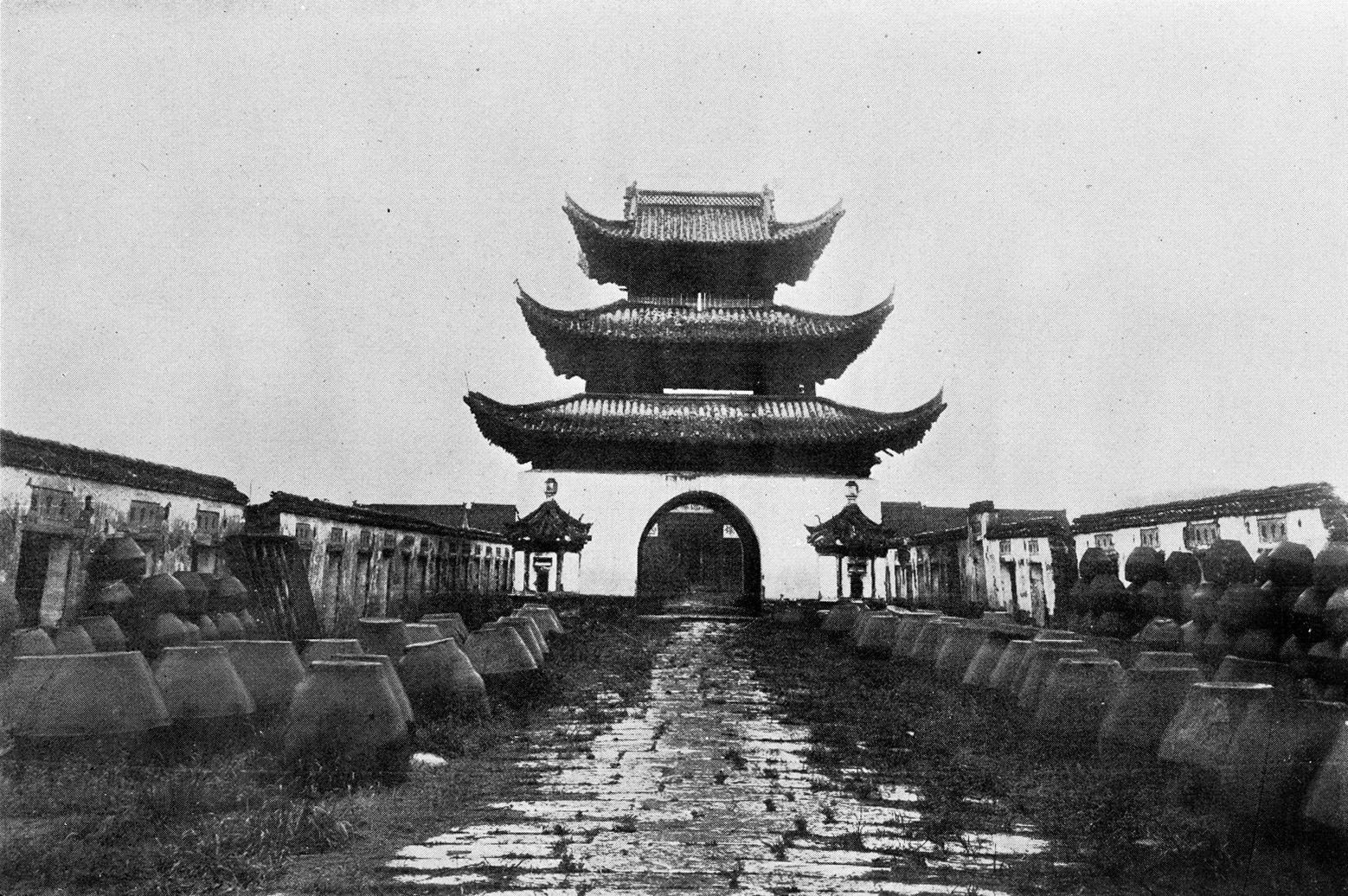
Examine the role of international cultural heritage organizations in standardizing the digital documentation of sacred landscapes.
Outline Introduction: The intersection of intangible faith and tangible data. Key Concepts: Defining sacred landscapes and the mandate of organizations like UNESCO and ICOMOS. The Standardization Imperative: Interoperability, metadata, and the FAIR principles. Step-by-Step Guide: How practitioners implement standardized digital documentation. Case Studies: The Digital Dunhuang Project and the Sacred Sites of the Himalayas. Common…
-

Discuss the risks of cultural appropriation when ancient symbols are algorithmically generated for commercial digital media.
Outline Introduction: The intersection of AI, aesthetics, and ancient heritage. Key Concepts: Defining algorithmic appropriation vs. appreciation. The Core Risks: Why generative AI strips symbols of their sacred or social context. Step-by-Step Guide: A framework for ethical creative workflows. Case Studies: Analyzing real-world failures and potential for redemption. Common Mistakes: Pitfalls in AI prompting and…
-
Investigate the use of satellite imagery to monitor the physical integrity of remote,unexcavated metaphysical sites.
The Silent Sentinels: Monitoring Remote Archaeological Sites via Satellite Imagery Introduction Hidden beneath dense jungle canopies, arid desert dunes, and remote mountain ranges lie the remnants of human history—metaphysical and archaeological sites that have yet to feel the touch of a trowel. These unexcavated locations represent our collective past, yet they are increasingly vulnerable to…
-
Document the impact of virtual reality simulations on the preservation of architectural acoustics in metaphysical heritage sites.
The Echoes of Antiquity: Preserving Metaphysical Heritage Through Virtual Reality Acoustics Introduction For centuries, humanity has constructed spaces not merely for shelter, but to transcend the physical realm. From the hypnotic chants echoing in Gothic cathedrals to the precise, ritualistic resonances of Neolithic stone chambers, metaphysical heritage sites are defined as much by their sound…