
Uncategorized
-

Personal data becomes a primary commodity in the surveillance capitalism business model.
Contents 1. Main Title: The Data Harvest: Navigating Life in the Era of Surveillance Capitalism 2. Introduction: Defining the shift from “users” to “raw material.” 3. Key Concepts: Explaining Behavioral Surplus, Prediction Markets, and the asymmetry of information. 4. Step-by-Step Guide: A practical framework for auditing and limiting your digital footprint. 5. Examples & Case…
-

The integration of facial recognition in public spaces limits anonymity and free assembly.
The Digital Panopticon: How Facial Recognition Erodes Anonymity and Free Assembly Introduction For centuries, the ability to disappear into a crowd—to walk down a city street without being tracked, identified, or categorized—has been a cornerstone of life in a free society. This “anonymity of the masses” is not just a social comfort; it is a…
-

Sustaining democratic values in an automated age requires constant vigilance and adaptation.
Contents 1. Introduction: The collision of algorithmic decision-making and democratic principles. 2. Key Concepts: Defining “algorithmic governance,” “digital sovereignty,” and “epistemic security.” 3. Step-by-Step Guide: A practical framework for citizens and policymakers to safeguard democracy. 4. Examples and Case Studies: Lessons from electoral interference and AI-driven administrative bias. 5. Common Mistakes: The pitfalls of “techno-solutionism”…
-

Future governance will rely on the synthesis of ethical philosophy and technical oversight.
Outline Introduction: The shift from bureaucratic management to algorithmic governance. Key Concepts: Defining Ethical Philosophy (Deontology vs. Utilitarianism in code) and Technical Oversight (Auditable transparency). The Synthesis: Why neither technical rigor nor ethical theory is sufficient alone. Step-by-Step Guide: Implementing “Ethical-by-Design” in organizational governance. Case Studies: Algorithmic bias in hiring and automated municipal resource allocation.…
-
Predictive policing models risk codifying systemic biases into law enforcement operations.
The Algorithmic Badge: How Predictive Policing Risks Codifying Systemic Bias Introduction For decades, law enforcement agencies have sought a “force multiplier”—a way to do more with less. Enter predictive policing: the use of mathematical, predictive, and analytical techniques in law enforcement to identify potential criminal activity. By leveraging machine learning models to analyze historical crime…
-
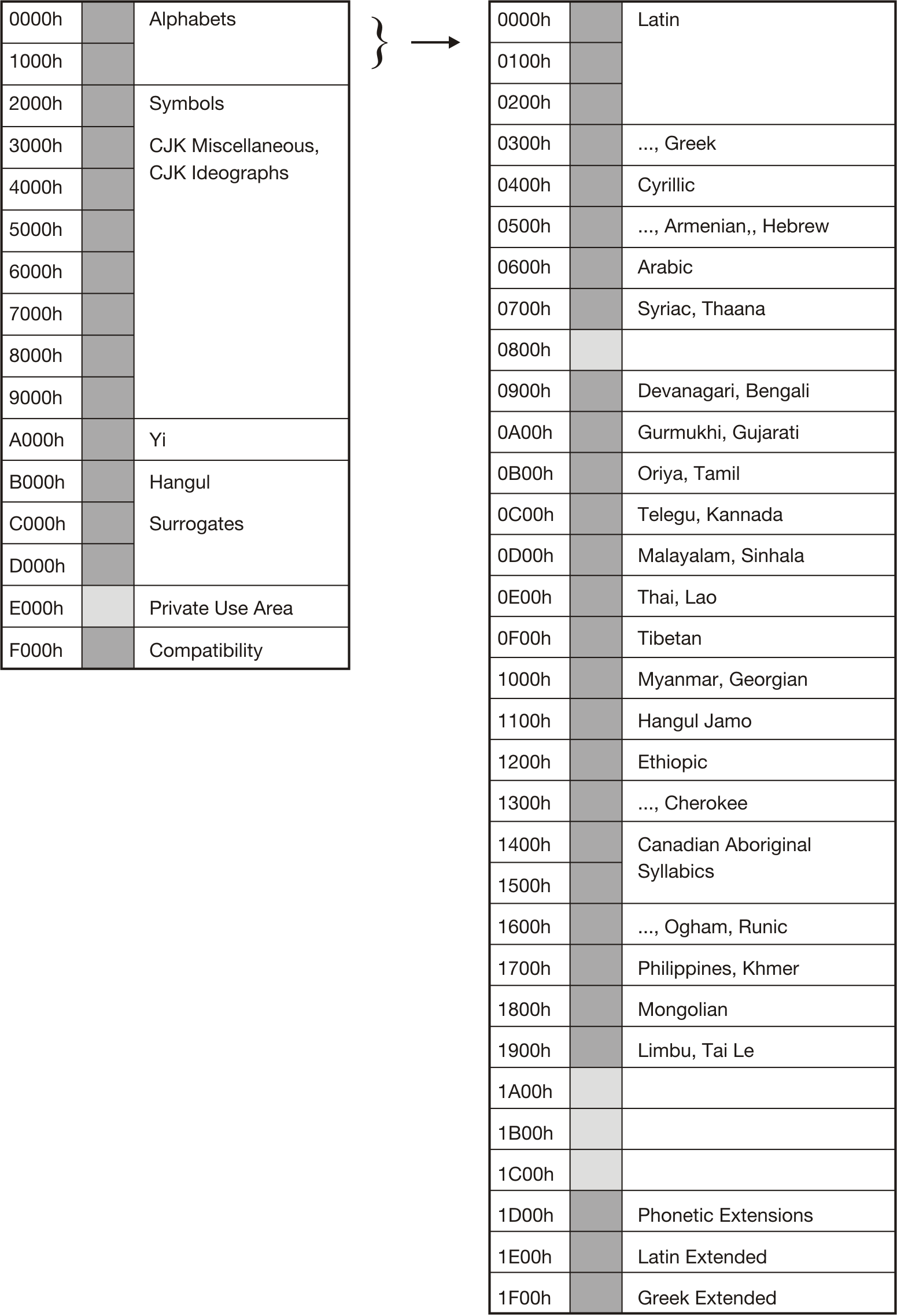
Localized AI implementations offer potential for community-specific problem solving.
Outline Introduction: Shifting the focus from global AGI to neighborhood-level utility. Key Concepts: Defining Localized AI (Edge computing, data sovereignty, and domain-specific models). Step-by-Step Guide: A framework for community leaders and tech advocates to deploy localized AI. Real-World Applications: Irrigation management, public transit optimization, and local emergency response. Common Mistakes: Over-engineering, data privacy oversights, and…
-
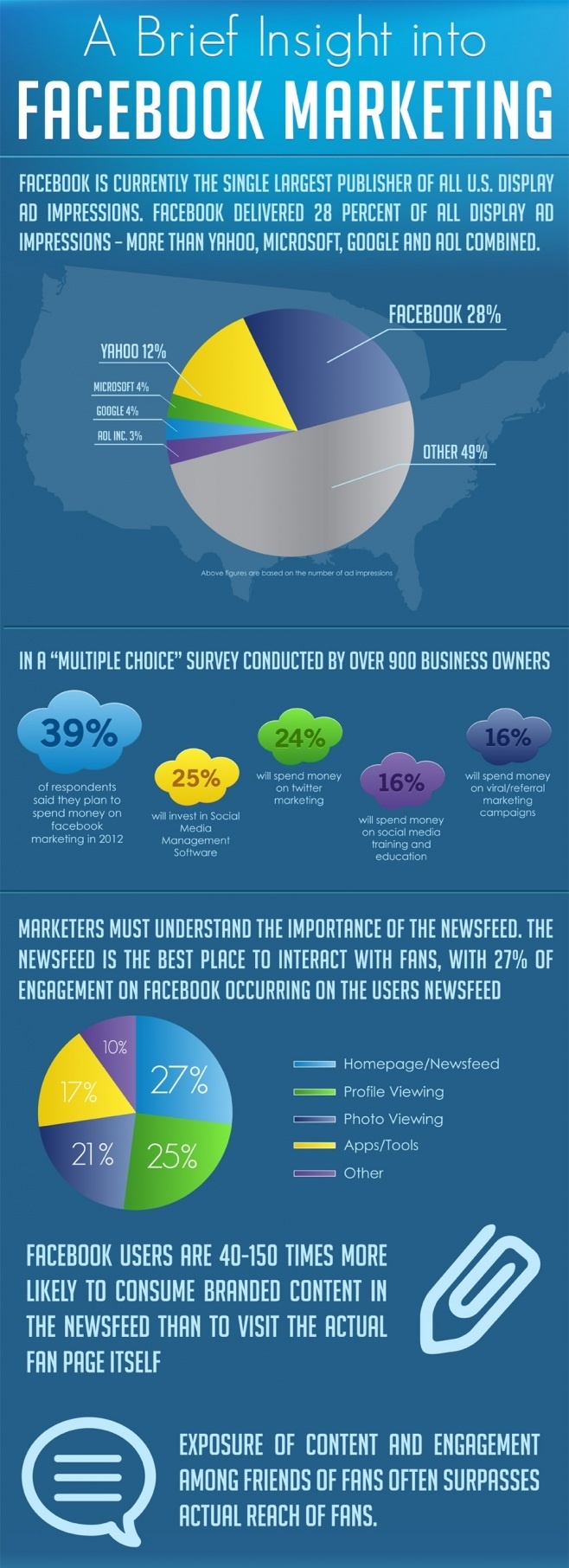
Social media algorithms prioritize inflammatory content, potentially radicalizing political engagement.
Outline Introduction: The hidden architecture of our digital reality and how “engagement” became synonymous with “outrage.” Key Concepts: Defining algorithmic curation, the feedback loop, and the mechanics of radicalization. Step-by-Step Guide: How to audit your digital diet and reclaim agency over your feed. Examples and Case Studies: The shift from informational social media to emotional-trigger…
-

Public interest technology movements advocate for open-source and transparent AIdevelopment.
The Open Frontier: Why Public Interest Technology Demands Transparent AI Introduction Artificial Intelligence is no longer a niche academic pursuit; it is the infrastructure of modern life. From the algorithms determining mortgage eligibility to the systems screening job applicants, AI is making life-altering decisions at scale. Yet, for too long, these systems have been developed…
-

Digital sovereignty becomes a key policy objective for nations reliant on foreign techstacks.
Outline: 1. Main Title: The Rise of Digital Sovereignty: Reclaiming Control in a Globalized Tech Landscape 2. Introduction: Defining the shift from “global integration” to “strategic autonomy” in the digital age. 3. Key Concepts: Distinguishing between data sovereignty, infrastructure independence, and software stack autonomy. 4. Step-by-Step Guide: How nations and enterprises can transition toward a…
-

Transparency in credit algorithms is required to ensure equitable access to financial services.
The Case for Algorithmic Transparency: Ensuring Equitable Financial Access Introduction For decades, a person’s creditworthiness was determined by a loan officer behind a mahogany desk. Today, that desk has been replaced by lines of code. Automated decisioning systems—credit algorithms—now process millions of loan applications in seconds, deciding who gets a mortgage, a small business loan,…