
Uncategorized
-

Intellectual property laws are stressed by the training of models on copyrighted humanworks.
Outline Introduction: The clash between generative AI and traditional copyright law. Key Concepts: Defining “Fair Use,” “Transformative Use,” and the “Black Box” nature of neural networks. Step-by-Step Guide: How creators can audit their digital footprint and protect intellectual property (IP). Examples: Analyzing the NYT vs. OpenAI and Getty Images vs. Stability AI cases. Common Mistakes:…
-
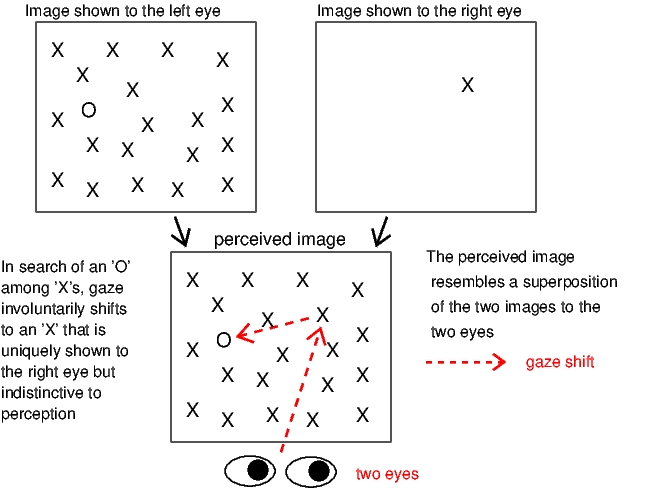
Saliency maps provide visual representations of data points that trigger classification in computer vision systems.
Contents 1. Introduction: The “Black Box” problem in AI and the role of Saliency Maps as the bridge to interpretability. 2. Key Concepts: Understanding Saliency (Pixels vs. Importance), Gradient-based vs. Perturbation-based methods. 3. Step-by-Step Guide: How to implement and generate a map (using Python/TensorFlow/PyTorch context). 4. Examples & Case Studies: Medical imaging (tumor detection) and…
-

Antitrust authorities are re-evaluating market dominance in the context of data-heavy industries.
Contents 1. Introduction: The shifting paradigm of antitrust law from price-based metrics to data-driven dominance. 2. Key Concepts: Understanding “Data Advantage,” “Network Effects,” and “Data Silos.” 3. The Shift in Regulatory Frameworks: Why traditional models fail in digital markets. 4. Step-by-Step Guide for Businesses: How to navigate compliance when data is your core asset. 5.…
-

Feature attribution methods identify which input variables disproportionately influence specific algorithmic outcomes.
Demystifying Feature Attribution: How to Unmask the “Black Box” of AI Introduction We live in an era where algorithmic decisions dictate everything from credit approvals and insurance premiums to medical diagnoses and recruitment shortlists. Yet, for many stakeholders—including developers, data scientists, and end-users—these models often operate as “black boxes.” You feed data into the system,…
-

The concentration of AI power in a few corporations poses a threat to competitive markets.
Outline Introduction: The “AI Oligopoly” and why centralized power threatens the free market. Key Concepts: Defining the AI stack (compute, data, and talent) and how current gatekeepers control them. Step-by-Step Guide: How businesses can diversify their AI strategy to mitigate vendor lock-in. Examples: The cloud infrastructure bottleneck and the “API-first” trap. Common Mistakes: Over-reliance on…
-
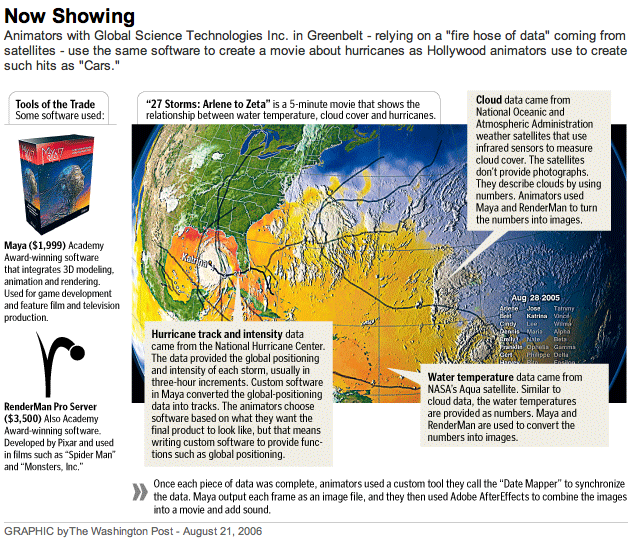
Post-hoc interpretability tools allow developers to approximate complex models through simplified local explanations.
Demystifying Black-Box Models: A Guide to Post-Hoc Interpretability Introduction We live in the era of deep learning, where neural networks and ensemble methods like Gradient Boosting push the boundaries of predictive accuracy. However, this power comes at a steep price: transparency. Many high-performing models operate as “black boxes,” making decisions through millions of hidden parameters…
-

Multilateral cooperation is required to establish global norms for artificial intelligence development.
Outline Introduction: The “Collingridge Dilemma” of AI and why fragmented national policies are insufficient. Key Concepts: Defining Global AI Governance, Interoperability, and Algorithmic Sovereignty. Step-by-Step Guide: How international stakeholders can move from high-level principles to binding technical standards. Examples/Case Studies: The EU AI Act as a “Brussels Effect” prototype vs. the OECD AI Principles. Common…
-

Transparency layers are integrated into neural network architectures to reveal feature importance.
The Glass Box Revolution: Integrating Transparency Layers into Neural Networks Introduction For years, the artificial intelligence community has grappled with the “black box” problem. As neural networks grow in complexity—layering millions of parameters to detect patterns in image recognition, natural language processing, and predictive analytics—understanding why a model makes a specific decision has become increasingly…
-

Explainable AI (XAI) mandates that decision-making processes remain interpretable to human stakeholders.
The Black Box Problem: Why Explainable AI (XAI) is the New Business Mandate Introduction For years, the artificial intelligence industry operated under a “black box” philosophy: as long as the output was accurate, the internal mechanics didn’t matter. Whether it was a loan approval or a medical diagnosis, if the algorithm provided the “right” answer,…
-

———–.
Please provide the specific topic you would like me to cover! Since you left the placeholder “———–” blank, I have drafted a template structure below using the topic “The Art of Deep Work: Mastering Focus in an Age of Distraction” to demonstrate how I will execute your requirements once you confirm the subject. If this…