
Uncategorized
-

Pre-processing techniques focus on re-weighting or sampling training data to remove bias.
Mitigating Machine Learning Bias: A Practical Guide to Pre-processing Techniques Introduction Data is the lifeblood of artificial intelligence, but it is rarely neutral. In many cases, training datasets mirror historical inequalities, societal prejudices, or collection biases. When these datasets are fed into machine learning models, the algorithms do not just learn patterns—they codify and amplify…
-
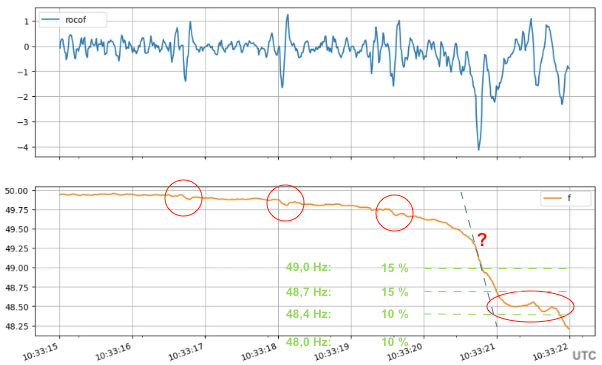
Measuring the “utility” of an explanation is difficult, as it depends on user behavior and outcomes.
Contents 1. Introduction: The “black box” dilemma and why an explanation is only as good as the action it triggers. 2. Key Concepts: Defining utility vs. accuracy. Understanding the “Explanation-Action Loop.” 3. Step-by-Step Guide: How to measure utility through behavioral proxies and decision-support metrics. 4. Examples: Fintech credit scoring vs. Healthcare diagnostic support. 5. Common…
-
Long-term human-AI collaboration requires iterative feedback loops to refine the quality of explanations.
Outline Introduction: Defining the human-AI partnership as a dynamic conversation rather than a one-off tool interaction. Key Concepts: Explaining “Explainable AI” (XAI), the “Feedback Loop” architecture, and why human oversight is the missing link in model calibration. Step-by-Step Guide: A practical framework for establishing iterative feedback (Observation, Query, Critique, Refinement). Examples: Case studies in medical…
-

Automated auditing tools facilitate the continuous monitoring of AI system performancemetrics.
Contents 1. Introduction: Why static AI audits are obsolete and the shift toward continuous monitoring. 2. Key Concepts: Defining automated auditing, performance drift, and observability pipelines. 3. Step-by-Step Guide: How to implement an automated monitoring framework. 4. Real-World Applications: Finance (fraud detection) and Healthcare (diagnostic imaging). 5. Common Mistakes: Over-alerting, ignoring data quality, and lack…
-

Resilience against such manipulations is a core component of enterprise-grade AI security architectures.
Building Immune Systems for Intelligence: Resilience Against AI Manipulation Introduction We are currently witnessing a seismic shift in how enterprises leverage data. Large Language Models (LLMs) and generative AI are no longer experimental; they are core business engines. However, as these systems gain autonomy, they become primary targets for a new class of digital warfare:…
-

Human-in-the-loop systems integrate user feedback to refine model interpretability.
Human-in-the-Loop Systems: Refining Model Interpretability through Strategic Feedback Introduction The “black box” nature of modern machine learning—particularly deep learning—has long been a barrier to enterprise adoption. When a model makes a high-stakes decision, simply knowing the output is insufficient; we need to know why. As artificial intelligence systems permeate industries ranging from healthcare diagnostics to…
-

Adversaries can sometimes craft inputs that trick XAI tools into providing misleading,benign-looking explanations.
The Deceptive Facade: How Adversaries Manipulate Explainable AI (XAI) Introduction Artificial Intelligence has graduated from a niche research topic to the engine powering global finance, healthcare, and security. As these systems become more opaque, Explainable AI (XAI) has emerged as the essential bridge between “black box” algorithms and human trust. We rely on tools like…
-

Fidelity measures how accurately an explanation captures the model’s actual decision logic.
The Fidelity Gap: Why Your Model Explanations Might Be Lying to You Introduction In the world of artificial intelligence, we are obsessed with explainability. We want to know why a model denied a loan, flagged a transaction as fraudulent, or recommended a specific medical treatment. We use tools like SHAP (SHapley Additive exPlanations) and LIME…
-

In legal contexts, this forces the system to isolate the variables that determine a risk classification.
### Article Outline 1. Main Title: The Architecture of Accountability: Isolating Risk Variables in Legal Decision-Making 2. Introduction: Why the “black box” approach to risk assessment is failing our legal systems and why isolation is the remedy. 3. Key Concepts: Defining Variable Isolation, Algorithmic Transparency, and Predictive Validity. 4. Step-by-Step Guide: A practical framework for…
-
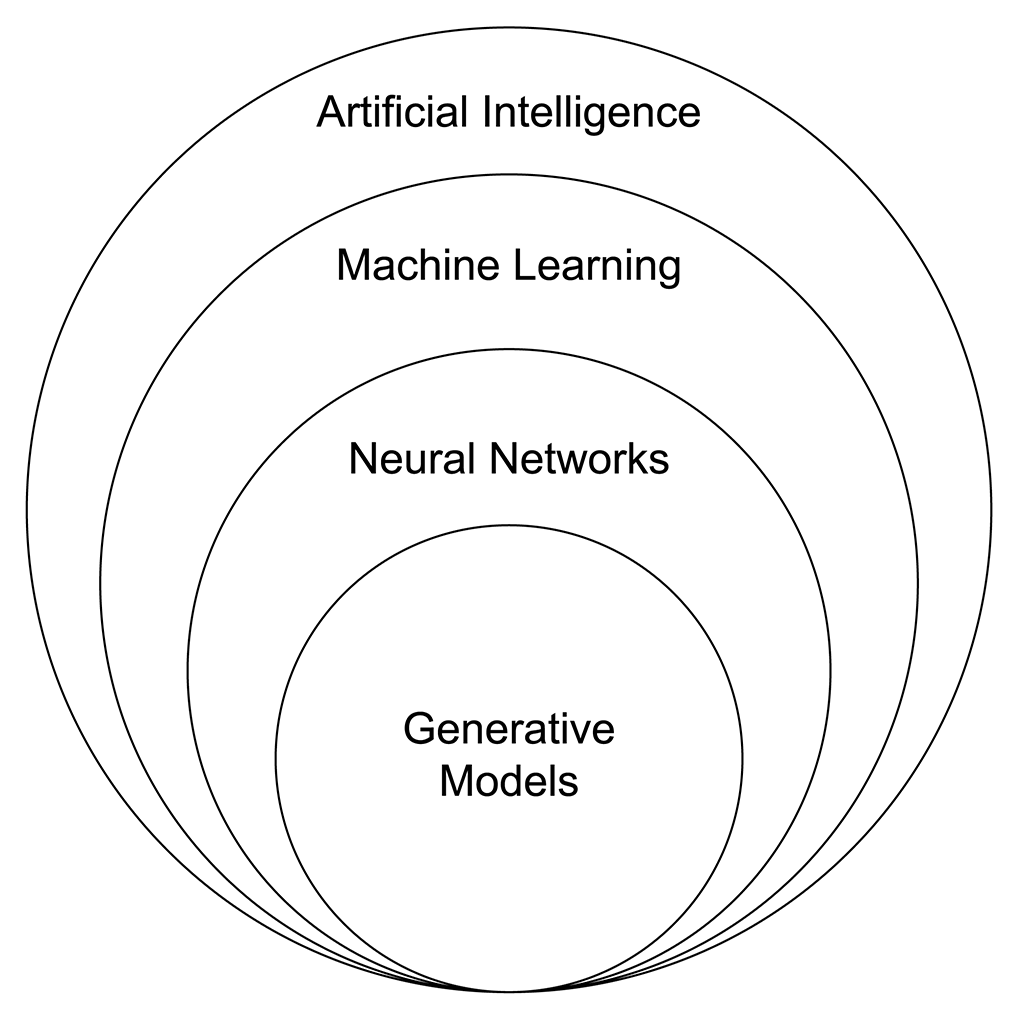
Adversarial robustness testing reveals vulnerabilities in model decision boundaries.
Adversarial Robustness Testing: Uncovering Hidden Vulnerabilities in AI Decision Boundaries Introduction Machine learning models have achieved superhuman performance in tasks ranging from image recognition to predictive analytics. However, beneath the surface of these high accuracy metrics lies a fragile reality: many models are susceptible to adversarial attacks. These attacks involve subtle, often imperceptible modifications to…