
Uncategorized
-

Certification programs for AI explainability could distinguish robust systems in the marketplace.
The Trust Economy: Why Certification for AI Explainability is the Future of Enterprise Tech Introduction We are currently witnessing an “AI black box” crisis. As machine learning models become more sophisticated, they are increasingly integrated into high-stakes decision-making processes—from mortgage approvals and medical diagnostics to recruitment screening and predictive policing. Yet, the internal logic of…
-

Context-dependent explanations adjust the level of detail based on the user’s specific domain expertise.
Outline Introduction: The “one-size-fits-all” information and the value of adaptive communication. Key Concepts: Defining context-dependent explanations (CDE) and the cognitive load theory. Step-by-Step Guide: A framework for assessing audience expertise and tailoring content. Examples: Software engineering, medical communication, and educational platforms. Common Mistakes: Over-simplification, jargon poisoning, and failing to verify the user’s mental model. Advanced…
-

Active learning processes can incorporate human feedback to improve the model’s predictive accuracy.
Optimizing Machine Learning: How Active Learning Bridges the Gap with Human Expertise Introduction In the traditional machine learning paradigm, data scientists often operate under the “more is better” fallacy. The assumption is that by feeding a model millions of uncurated data points, accuracy will naturally converge toward perfection. However, this brute-force approach is increasingly unsustainable.…
-

Cross-disciplinary collaboration between data scientists and behavioral psychologists improves evaluation design.
Bridging the Gap: Why Cross-Disciplinary Collaboration Between Data Scientists and Behavioral Psychologists is the Future of Evaluation Design Introduction In the age of big data, organizations are drowning in information but starving for insight. Many companies treat data science as a silver bullet, assuming that if you collect enough metrics, the “truth” will eventually emerge.…
-
Evaluating the quality of natural language explanations requires linguistic coherence and factual accuracy.
Evaluating the Quality of Natural Language Explanations: The Dual Pillar Framework Introduction In the era of Generative AI, we are flooded with machine-generated explanations. Whether an AI is summarizing a legal contract, justifying a medical diagnosis, or explaining a complex code snippet, the ability to generate text is no longer the primary hurdle—reliability is. As…
-
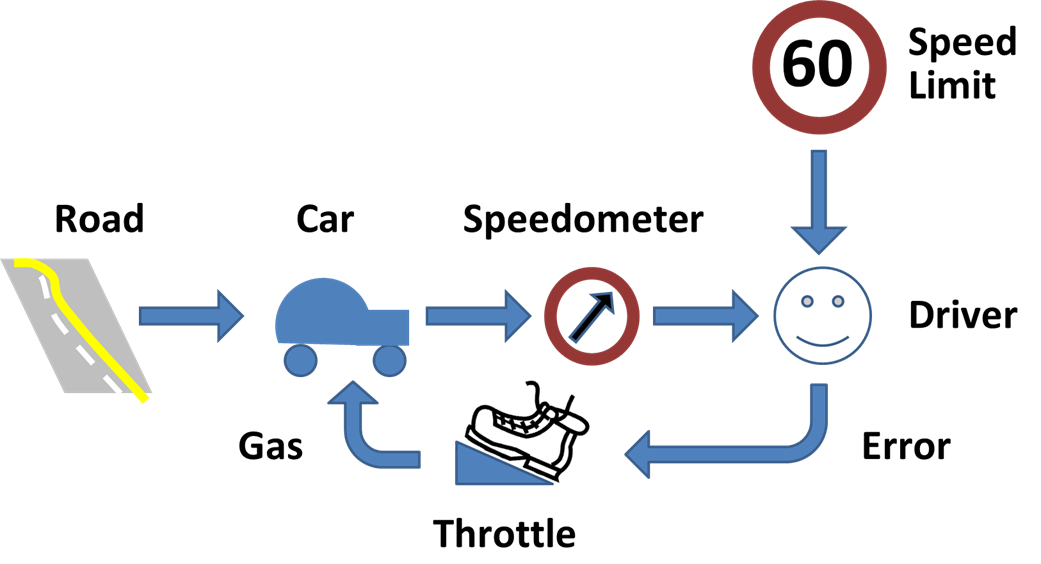
Feedback loops allow users to refine model explanations by highlighting inaccuracies or irrelevant features.
Human-in-the-Loop: How Feedback Loops Refine AI Explanations Introduction Artificial Intelligence is no longer a “black box” that operates in complete isolation. As we integrate machine learning into high-stakes industries like healthcare, finance, and law, the demand for transparency has shifted from a preference to a requirement. We need to know not just what an AI…
-

Active learning processes can incorporate human feedback to improve the model’s predictive accuracy.
Maximizing Model Performance: The Power of Active Learning with Human-in-the-Loop Feedback Introduction In the world of machine learning, the conventional wisdom has long been that “more data is better.” Companies spend vast fortunes gathering millions of data points, only to find that labeling them is a slow, expensive, and error-prone process. However, data quantity often…
-

Verification of explanations should be integrated into the continuous integration/deployment pipeline.
Outline Introduction: The shift from “Black Box” models to “Explainable AI” (XAI) and why verification must move from manual audit to automated CI/CD pipelines. Key Concepts: Defining Automated Explanation Verification (AEV) and its role in AI governance, safety, and regulatory compliance. Step-by-Step Guide: Implementing an XAI validation layer within existing Jenkins/GitHub Actions/GitLab CI workflows. Real-World…
-
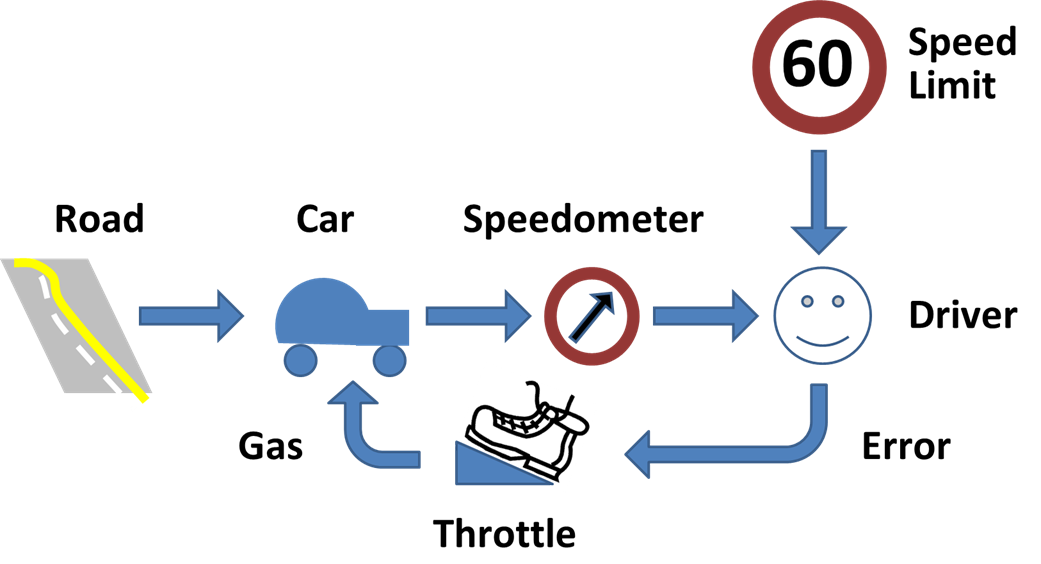
Feedback loops allow users to refine model explanations by highlighting inaccuracies or irrelevant features.
Contents 1. Introduction: Defining the “Black Box” problem and why human-in-the-loop feedback is the bridge to trustworthy AI. 2. Key Concepts: Defining XAI (Explainable AI), Feature Attribution, and the mechanics of user feedback loops. 3. Step-by-Step Guide: Implementing a closed-loop feedback system for model refinement. 4. Case Studies: Financial services (loan approvals) and Healthcare (diagnostic…
-

Ethical considerations demand that AI systems provide explanations for both correct and incorrect outputs.
Contents 1. Introduction: The “Black Box” problem and the shift from predictive accuracy to algorithmic accountability. 2. Key Concepts: Understanding Explainable AI (XAI), Local vs. Global interpretability, and the psychological impact of trust. 3. Step-by-Step Guide: How to integrate interpretability into the AI development lifecycle (Data, Model, Interface). 4. Examples: Healthcare (diagnostic errors) and Finance…