
Uncategorized
-
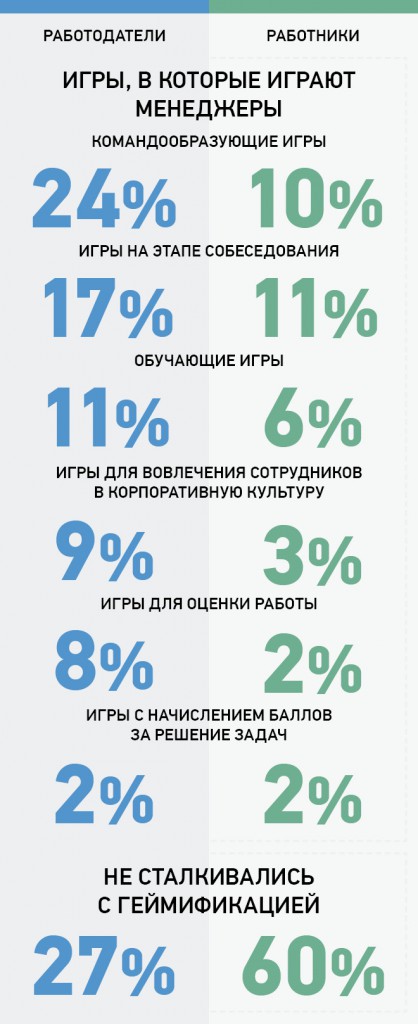
Gamification of model testing can encourage users to explore edge cases safely.
Outline Introduction: The “Black Box” problem in AI and the psychological shift from passive testing to active, game-based exploration. Key Concepts: Defining adversarial gamification, reward loops, and the transition from “quality assurance” to “adversarial play.” Step-by-Step Guide: How to build a gamified testing environment (Scoring, Leaderboards, and Dynamic Challenges). Real-World Applications: Red teaming, bias detection,…
-

Transparency must be balanced with information density to prevent cognitive overload.
Outline Introduction: The Paradox of Transparency: More data doesn’t mean better decisions. Key Concepts: Defining cognitive overload, the transparency trap, and the “Goldilocks” zone of information design. Step-by-Step Guide: A framework for auditing and simplifying communication streams. Examples: Software dashboards, financial reporting, and internal organizational communications. Common Mistakes: The “Cover Your Assets” mentality and confusing…
-

Under-reliance stems from opaque decision pathways that trigger user skepticism.
The Trust Paradox: Why Opaque Decision Pathways Drive Under-Reliance Introduction In an era where algorithmic decision-making underpins everything from credit approvals to medical diagnoses, a troubling phenomenon persists: under-reliance. Despite the technical superiority of many automated systems, users frequently override, ignore, or abandon them. This isn’t necessarily due to a lack of technical literacy; rather,…
-

Consistency in interface design reduces the learning curve for complex systems.
Article Outline Introduction: The hidden cost of cognitive friction in complex systems. Key Concepts: Defining visual, functional, and internal consistency. Step-by-Step Guide: Implementing a design language. Examples: Enterprise software (CRM) vs. Creative suites (Adobe). Common Mistakes: The trap of “designing for delight” over utility. Advanced Tips: Pattern libraries and the role of mental models. Conclusion:…
-

Over-reliance on automation occurs when users perceive a system as infallible.
The Automation Paradox: Why Trusting Systems Too Much Is a Risk Introduction In the modern era, automation is the engine of efficiency. From algorithmic trading platforms and predictive maintenance software to simple spell-checkers and GPS navigation, we are constantly delegating cognitive tasks to machines. While these tools offer undeniable speed and precision, a silent, dangerous…
-

Contextual menus should explain why a specific piece of data influenced an output.
Contents 1. Introduction: The “Black Box” problem in software and why transparency builds user trust. 2. Key Concepts: Understanding Explainable AI (XAI) and Data Provenance in UI design. 3. Step-by-Step Guide: Implementing context-aware explanations in your interface. 4. Examples and Case Studies: Financial forecasting, e-commerce recommendations, and health tech. 5. Common Mistakes: Overwhelming the user…
-

Human-in-the-loop validation ensures that algorithmic logic aligns with ethical norms.
Human-in-the-Loop Validation: Aligning Algorithmic Logic with Ethical Norms Introduction We live in an era where algorithms decide who gets a loan, which medical treatments are prioritized, and whose resumes land on a recruiter’s desk. While these systems offer unprecedented speed and efficiency, they lack a moral compass. An algorithm is merely a mirror reflecting the…
-
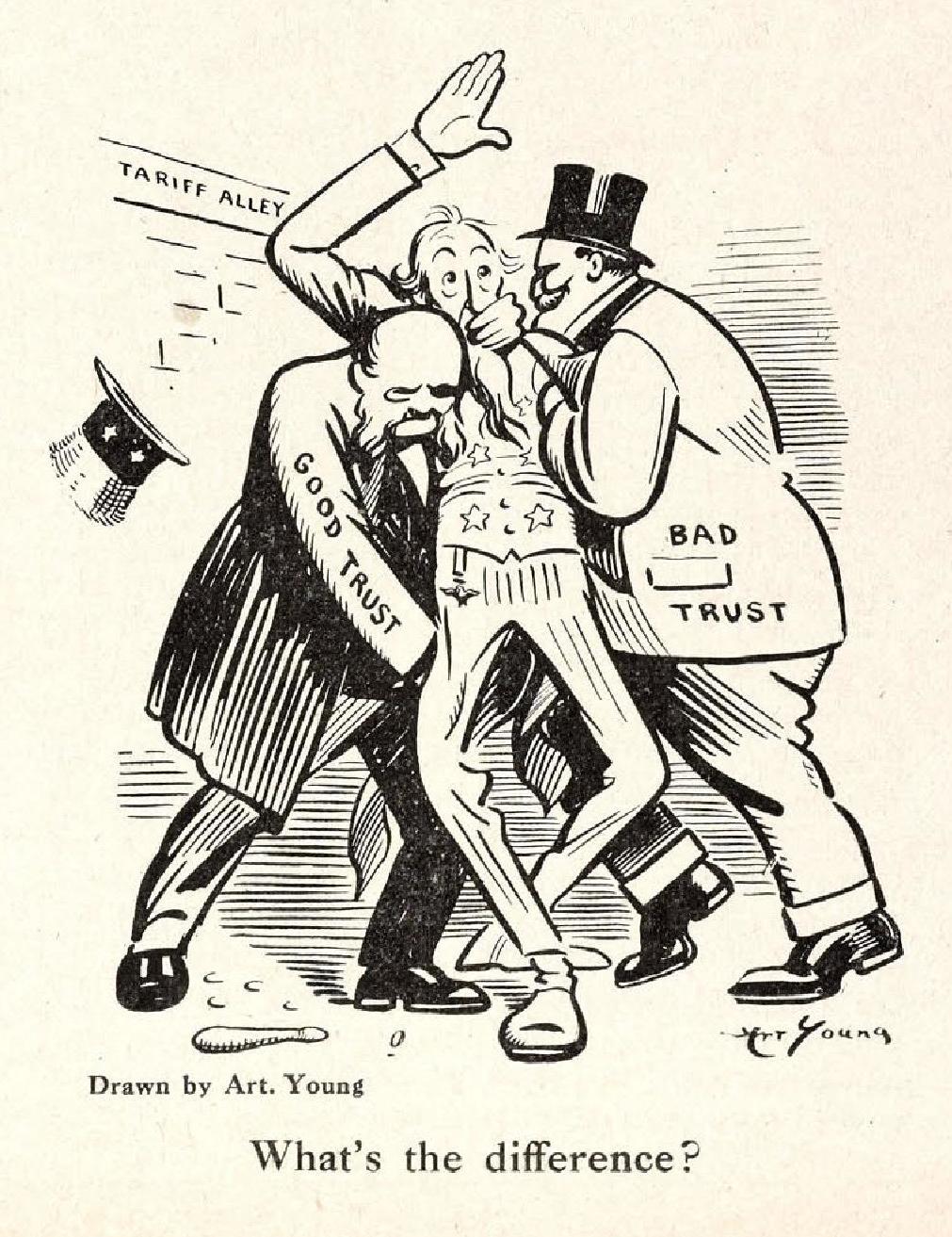
Trust calibration is the primary objective when designing interfaces for automated systems.
Contents 1. Introduction: Define the “trust gap” in automation and why miscalibration (over-trust vs. under-trust) is a critical design failure. 2. Key Concepts: Defining Trust Calibration, the difference between reliable and predictable systems, and the “Human-Machine Teaming” model. 3. Step-by-Step Guide: A 5-step framework for designing interfaces that promote appropriate trust levels (transparency, feedback loops,…
-

Counterfactual explanations help users understand what changes would alter an outcome.
Outline Introduction: Defining the “Why” behind algorithmic decisions. Key Concepts: The “What-If” logic of counterfactual explanations (CFEs). How It Works: Bridging the gap between black-box models and human agency. Step-by-Step Implementation: A framework for developing CFEs. Real-World Applications: Banking, healthcare, and employment. Common Mistakes: Avoiding “unrealistic” or “unactionable” advice. Advanced Tips: Optimization strategies (diversity, proximity,…
-
Saliency maps provide intuitive visual cues for image-based algorithmic decision-making.
Unlocking the Black Box: How Saliency Maps Bridge the Gap in AI Transparency Introduction Artificial Intelligence has evolved from a niche academic pursuit to the invisible engine powering our modern world. From diagnostic imaging in hospitals to autonomous vehicle navigation, algorithms are making high-stakes decisions every millisecond. However, this progress comes with a persistent friction…