
Uncategorized
-

Explainable AI (XAI) techniques are necessary to provide stakeholders with insights into model logic.
The Black Box Problem: Why Explainable AI (XAI) is Essential for Modern Business Introduction Artificial Intelligence has moved from experimental labs to the front lines of decision-making. From loan approvals and medical diagnostics to predictive maintenance and supply chain optimization, algorithms are now automating processes that impact human lives and corporate bottom lines. However, as…
-

Human oversight is a mandatory requirement for high-risk systems to mitigate potential harm.
The Imperative of Human Oversight: Safeguarding High-Risk Systems Introduction In an era defined by rapid digital transformation, we have delegated an unprecedented amount of authority to automated systems. From high-frequency trading algorithms and autonomous vehicles to AI-driven diagnostic tools in healthcare, machine autonomy promises efficiency and scale. However, the complexity of these systems introduces a…
-

Transparency obligations require providers to document technical design and development processes thoroughly.
Outline Introduction: The shift from “black box” algorithms to transparent technical accountability. Key Concepts: Defining technical documentation beyond code comments (design intent, data provenance, decision logs). Step-by-Step Guide: A lifecycle approach to building a “Transparency Log.” Real-World Applications: How regulated industries (finance, healthcare) manage audits. Common Mistakes: Over-documenting versus under-documenting, and the danger of stale…
-
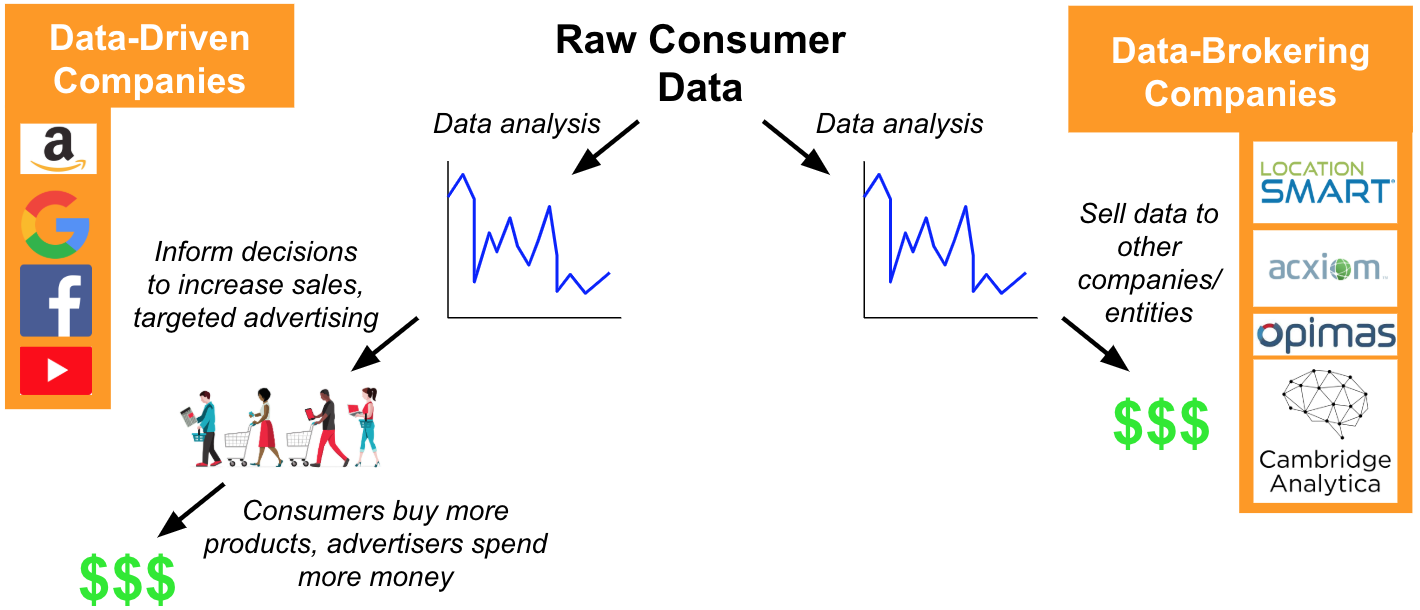
Data lineage tracking ensures that the provenance of training inputs remains verifiable and traceable.
Data Lineage Tracking: The Foundation of Verifiable AI Provenance Introduction In the era of Generative AI and automated decision-making, the old adage “garbage in, garbage out” has evolved into a far more complex challenge: “unknown in, unreliable out.” As organizations rush to deploy machine learning models, the integrity of the underlying data has become the…
-

High-risk AI systems must undergo strict conformity assessments before entering the internal market.
Outline Introduction: The shift from “voluntary guidelines to mandatory compliance under the EU AI Act. Defining High-Risk AI: Understanding what triggers the “high-risk” classification. The Conformity Assessment Framework: A breakdown of the rigorous process. Step-by-Step Implementation Guide: Practical phases for businesses. Real-World Applications: Applying the rules to HR tech and critical infrastructure. Common Compliance Pitfalls:…
-

Independent third-party audits verify that models adhere to pre-defined performance and safety standards.
The Trust Infrastructure: How Independent Third-Party Audits Secure AI Models Introduction In the rapidly evolving landscape of artificial intelligence, the gap between model deployment and public trust is widening. Companies are rushing to integrate Large Language Models (LLMs) and automated decision systems, yet internal testing—while necessary—is no longer sufficient. When an organization self-polices its algorithms,…
-

Risk-based classification categorizes AI systems into minimal, limited, high, and unacceptable risk tiers.
Contents 1. Introduction: The paradigm shift from “AI for all” to “AI with boundaries,” focusing on the EU AI Act framework. 2. Key Concepts: Defining the four tiers—Minimal, Limited, High, and Unacceptable—and the philosophy of proportionate regulation. 3. Step-by-Step Guide: How organizations can audit their AI tools against these risk tiers. 4. Examples and Case…
-

Auditability serves as the cornerstone for establishing trust in automated decision-making systems.
Outline Introduction: Defining the “Black Box” problem and why auditability is the only remedy for institutional trust. Key Concepts: Defining explainability (XAI), provenance, and the difference between observability and auditability. Step-by-Step Guide: A framework for building auditable AI systems (data lineage, logging, and human-in-the-loop triggers). Real-World Applications: Case studies in algorithmic lending and healthcare diagnostics.…
-

The European Union AI Act establishes the world’s first comprehensive legal framework for artificial intelligence.
The EU AI Act: Navigating the World’s First Comprehensive AI Regulatory Framework Introduction For years, the development of Artificial Intelligence has operated in a “wild west” environment, governed more by technological ambition than by legal guardrails. That era ended with the passage of the European Union AI Act. As the world’s first comprehensive horizontal legal…
-

The EU AI Act introduces substantial financial penalties for non-compliance, reaching up to 7% of global turnover.
The EU AI Act: Navigating the Financial Stakes of Compliance Introduction The landscape of artificial intelligence regulation has shifted from a “wild west” of self-governance to a rigid, legally binding framework. The EU AI Act, the world’s first comprehensive horizontal AI law, is no longer a distant threat—it is an operational reality. For global organizations,…