
Uncategorized
-

Explainable AI (XAI) techniques are necessary to provide stakeholders with insights into model logic.
Demystifying the Black Box: Why Explainable AI (XAI) is Essential for Modern Business Introduction In the last decade, machine learning models have transitioned from experimental curiosities to the engines driving global commerce. From credit approval systems to diagnostic healthcare tools, algorithms now make life-altering decisions with superhuman speed. Yet, there is a fundamental paradox at…
-
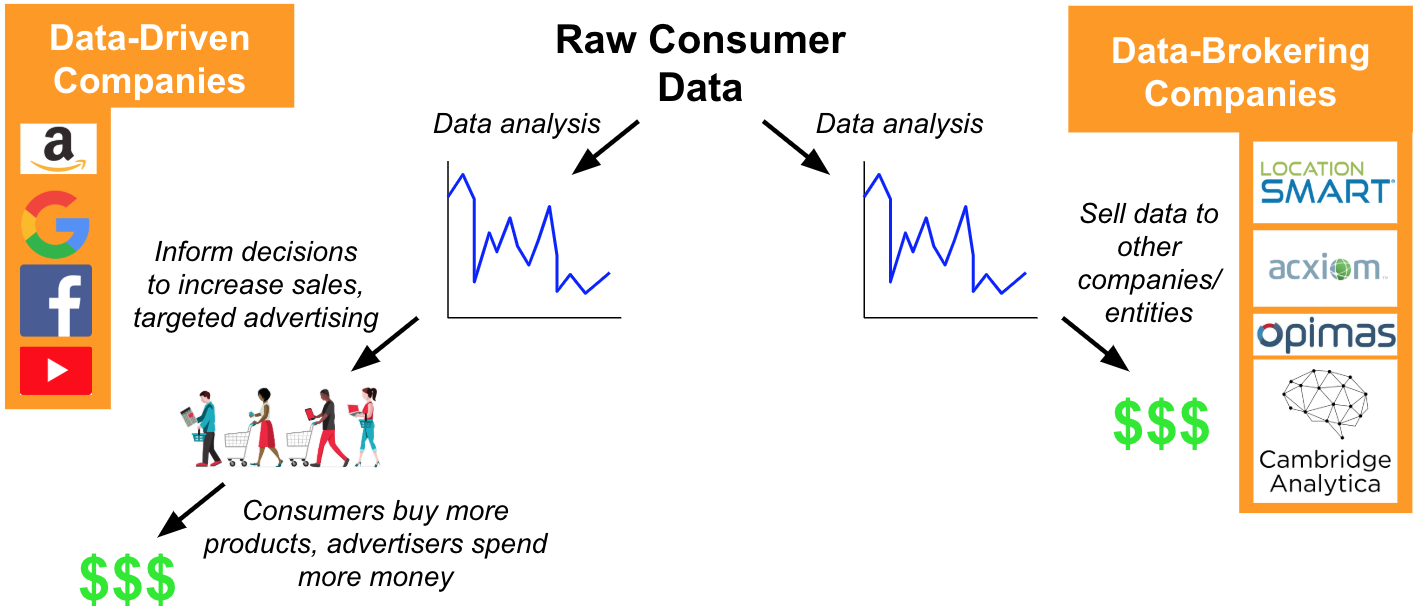
Data lineage tracking ensures that the provenance of training inputs remains verifiable and traceable.
The Backbone of Trust: Why Data Lineage is Non-Negotiable for AI Introduction In the rapidly evolving landscape of artificial intelligence, the old adage “garbage in, garbage out” has evolved into a much more dangerous reality: “unverifiable data in, biased or broken model out.” As organizations rush to integrate machine learning into critical business operations, the…
-

Bias detection tools scan for disparate impact across protected classes during the testing phase.
Mitigating Algorithmic Inequality: Implementing Bias Detection Tools in the Testing Phase Introduction In an era where machine learning models automate life-altering decisions—from mortgage approvals to hiring processes—the integrity of our data has become a civil rights issue. When an algorithm exhibits disparate impact, it produces outcomes that disproportionately disadvantage members of protected classes, even if…
-
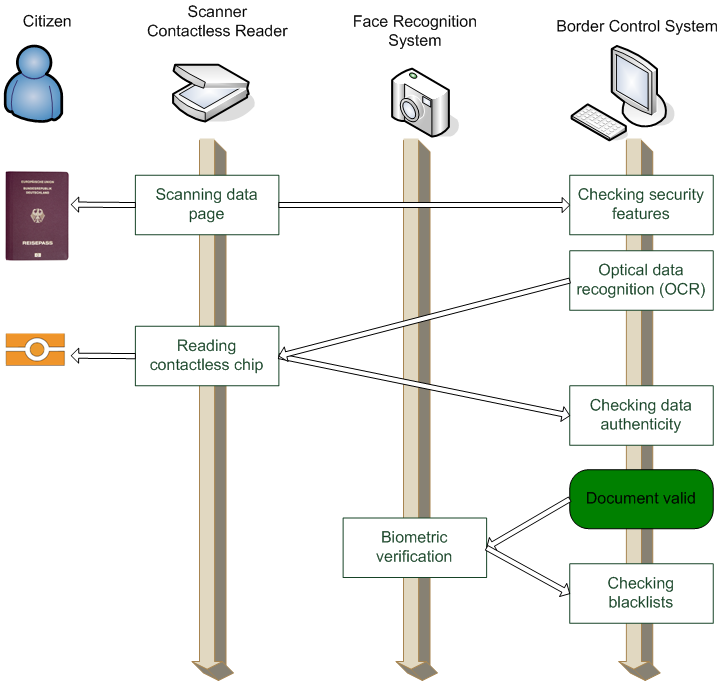
Version control systems must maintain a meticulous log of training data, parameters,and model iterations.
Contents 1. Introduction: The crisis of reproducibility in machine learning and the necessity of “Model Lineage.” 2. Key Concepts: Defining Data Versioning, Parameter Tracking, and Model Artifacts. 3. Step-by-Step Guide: Implementing a robust versioning strategy (from git-lfs to DVC). 4. Examples and Case Studies: How industries like Fintech and Healthcare utilize immutable logs for compliance.…
-

Algorithmic bias often stems from historical prejudices embedded within large-scale training datasets.
The Mirror in the Machine: Understanding and Mitigating Algorithmic Bias Introduction Artificial Intelligence is often marketed as an objective arbiter—a mathematical entity that sees the world in cold, hard data. However, the reality is far more human. Algorithms are not neutral; they are reflections of the societies that create them. When we train large-scale models…
-

Independent third-party audits verify that models adhere to pre-defined performance and safety standards.
The Critical Role of Independent Third-Party Audits in AI Model Governance Introduction As artificial intelligence shifts from experimental sandbox projects to the backbone of critical infrastructure, the question of “trust” has become the primary bottleneck for adoption. How do we know a model is actually safe? How can we verify that it performs as expected…
-

Feature importance scores assist auditors in identifying which variables disproportionately influence predictions.
Outline Introduction: The shift from “black box” algorithms to transparent auditing. Key Concepts: Understanding Global vs. Local feature importance and the role of SHAP/LIME. Step-by-Step Guide: How auditors implement feature importance in a compliance workflow. Real-World Applications: Fraud detection, credit lending, and healthcare diagnostics. Common Mistakes: Correlation vs. Causation and the data leakage trap. Advanced…
-

Auditability serves as the cornerstone for establishing trust in automated decision-making systems.
### Article Outline 1. Introduction: The “Black Box” problem and why trust is the currency of AI adoption. 2. Key Concepts: Defining auditability vs. explainability and the role of data provenance. 3. Step-by-Step Guide: How to build an auditable pipeline (logging, versioning, impact assessment). 4. Real-World Applications: Financial lending (Fair Lending Act) and Healthcare (diagnostic…
-

Counterfactual explanations help users understand what changes would lead to a different model output.
Demystifying AI: How Counterfactual Explanations Bridge the Gap Between Models and Users Introduction In an era where machine learning models influence everything from credit approvals to medical diagnoses, the “black box” problem has become a critical barrier to adoption. When a model denies a loan or flags an insurance claim, a simple “computer says no”…
-

The EU AI Act introduces substantial financial penalties for non-compliance, reaching up to 7% of global turnover.
The EU AI Act: Navigating the Financial Reality of Non-Compliance Introduction The landscape of global technology regulation has shifted fundamentally with the adoption of the European Union Artificial Intelligence Act (EU AI Act). For years, AI developers and deployers operated in a “wild west” environment, prioritizing speed and scale over governance. That era is over.…