
Environment
-
Risk-Sensitive Generative Simulation for Energy Grid Stability
Learn how Risk-Sensitive Generative Simulation (RSGS) uses AI to model extreme energy grid tail-risks, enhancing resilience against Black Swan infrastructure events.
-
Human-In-The-Loop Climate Systems: A Guide to Neuroethics
Discover how Human-In-The-Loop systems bridge climate adaptation and neuroethics to ensure AI supports human decision-making and cognitive well-being in crises.
-
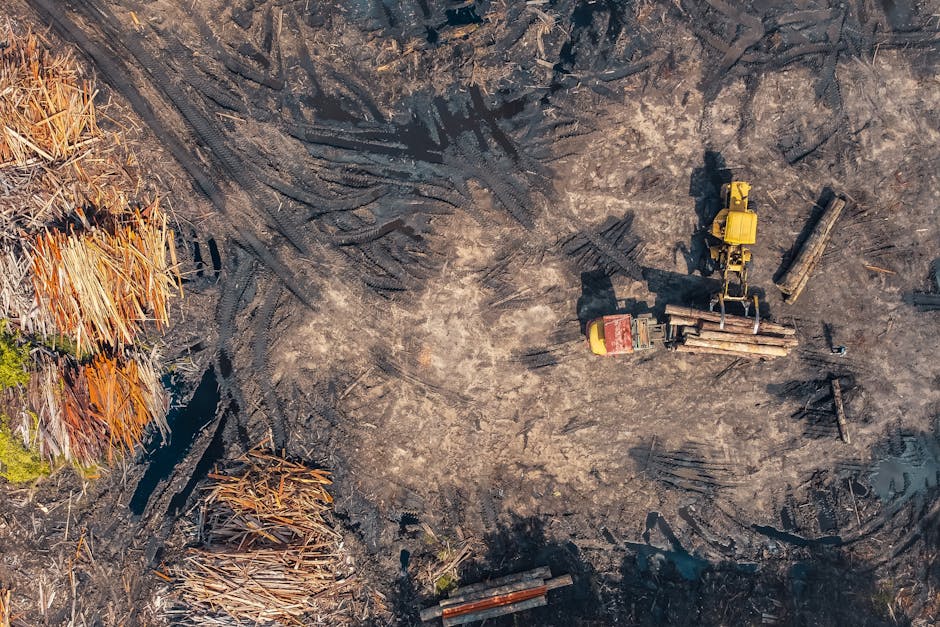
Self-Evolving Carbon Removal: Bioelectronics & Climate Tech
Discover how self-evolving carbon removal platforms leverage bioelectronics and machine learning to create adaptive, carbon-negative infrastructure for the future.
-
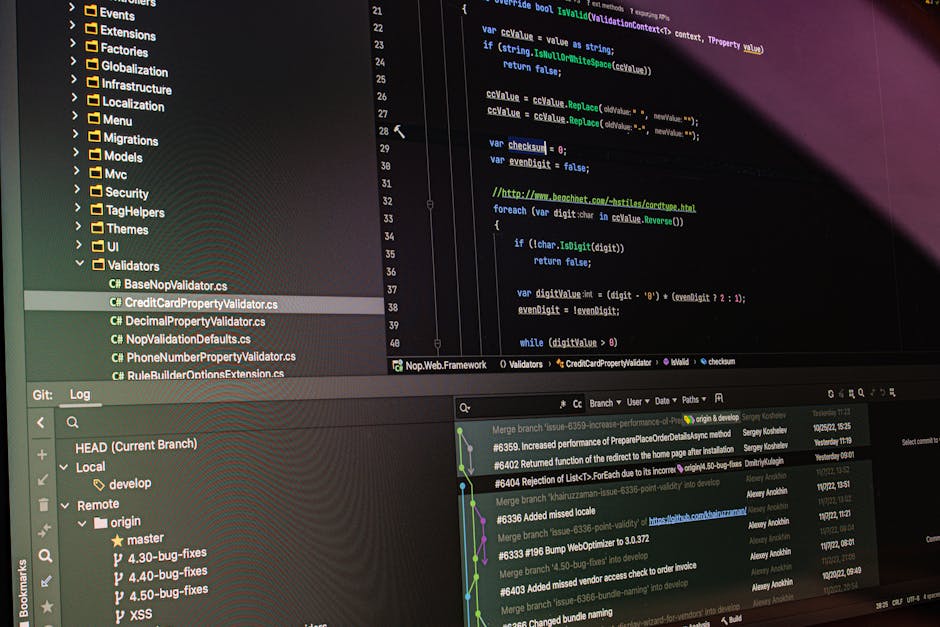
Mastering Open-World Fusion Control Simulators for Climate Tech
Advance climate modeling capabilities by adopting open-world simulation architectures for dynamic plasma confinement and fusion control.
-
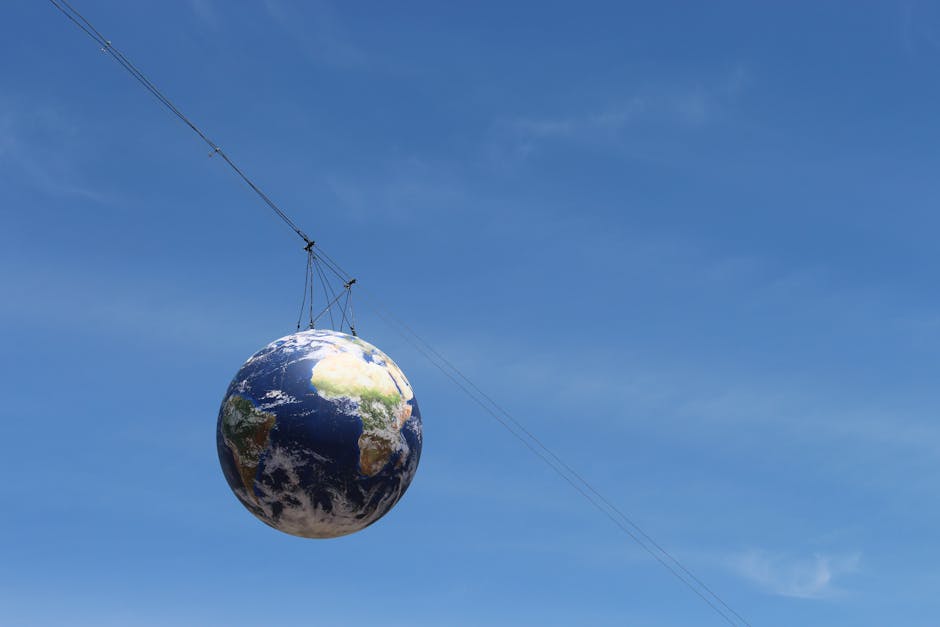
Causality-Aware tinyML for Planetary Geoengineering
Explore the intersection of tinyML and geoengineering, focusing on how causal inference enables more precise, planetary-scale environmental interventions.
-
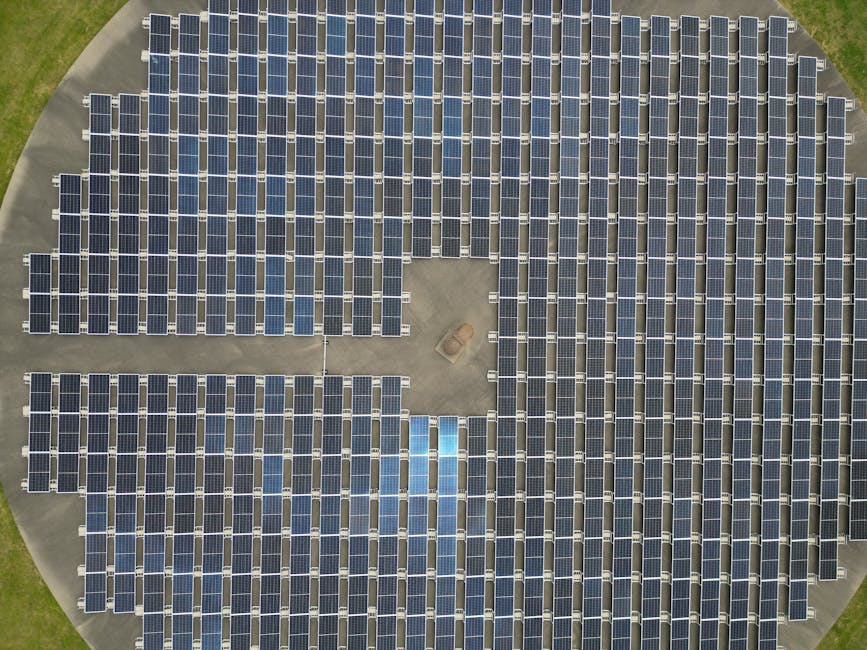
Mastering Climate Tech: Competitive AI Tutors for Strategy
Learn how competitive AI simulations are revolutionizing climate tech education by modeling real-world market and policy pressures.
-
Verifiable Complex Network Control for Modern Energy Systems
Learn how verifiable complex network control ensures grid stability and safety in modern, decentralized renewable energy systems using formal mathematical methods.
-
Topology-Aware Climate Adaptation: A New Geoengineering Model
Learn how topology-aware modeling improves climate resilience by focusing on spatial connectivity and localized feedback loops.
-
Quantum-Enhanced Carbon Removal: Neuroethics and Climate Tech
Examine the intersection of quantum-enhanced carbon capture and the preservation of human cognitive autonomy in climate tech.
-
Energy-Aware Quantum Machine Learning for Climate Tech
Reduce the energy tax of quantum simulations with hardware-efficient architectures designed for the next generation of climate technology.