The traditional model of human performance is linear: we acquire skills, reach a zenith of capability, and eventually succumb to the inevitable degradation of biological decay. For leaders and high-performers, this has long been treated as an immutable constraint. However, recent breakthroughs in biotech and cellular senescence reversal are shifting the paradigm from managing decline to optimizing biological capital.
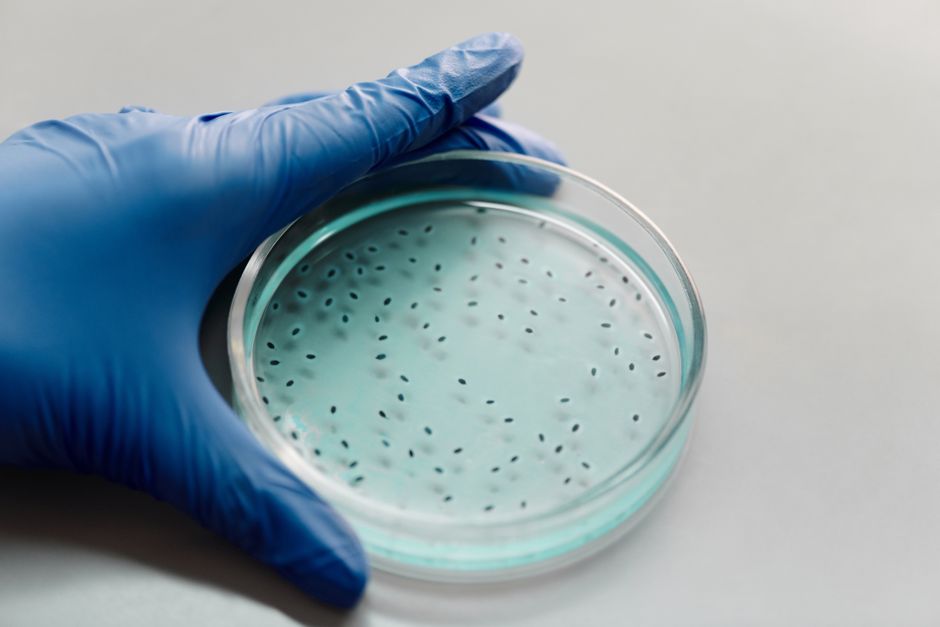
Senescence—the state in which cells stop dividing but refuse to die—acts as a metabolic drag on the entire organism. These “zombie cells” accumulate, secreting inflammatory factors that degrade surrounding healthy tissue. In the context of high-performance, this isn’t merely a health issue; it is a fundamental problem of operational efficiency. When your biological hardware is burdened by systemic inflammation, your cognitive output, decision-making speed, and recovery capacity suffer.
The Operational Cost of Senescence
Think of cellular senescence as technical debt within the human body. Just as an organization accumulates inefficient processes and “bloatware” that slow down execution, the body accumulates senescent cells that impede cellular signaling and tissue repair. The reversal of this process is no longer speculative science; it is moving toward clinical strategy.
Current research targeting senolytics—compounds that selectively induce death in senescent cells—suggests that clearing this “cellular debris” can restore functional vitality. For the operator, this translates to a higher ceiling for cognitive endurance. When you reduce the systemic noise created by senescent cells, you improve the signal-to-noise ratio of your biological system, allowing for sustained focus and higher-quality decision-making over longer time horizons.
From Maintenance to Optimization
Most health interventions focus on maintenance: fixing what is broken. Cellular senescence reversal represents a move toward optimization—a proactive approach to ensuring that your biological infrastructure remains as sharp as your professional leadership capabilities. This shift requires a change in mindset from “reacting to aging” to “managing biological longevity.”
The Strategy of Biological Leverage
If we treat longevity as an asset class, cellular senescence reversal is the equivalent of a massive infrastructure upgrade. By removing the cells that hinder systemic efficiency, you are not just extending lifespan; you are extending your “healthspan”—the period during which your cognitive and physical faculties are at their peak. For a leader, this is the ultimate form of execution: ensuring that your primary instrument—your brain and body—is operating at maximum efficiency without the drag of biological friction.
Mitigating Systemic Risk
The accumulation of senescent cells is a leading indicator of chronic inflammation, which is the precursor to nearly every age-related pathology. Ignoring this is akin to ignoring the early warnings of a failing operational system. By prioritizing metabolic health and monitoring markers of inflammation, you are performing a risk assessment on your own longevity. Advanced leaders are already incorporating diagnostics that track these markers, treating their health as a core component of their business portfolio.
The Future of High-Performance
The goal is not to live forever, but to remain lethal, sharp, and effective for as long as possible. As we unlock the ability to prune the senescent cells that slow us down, we gain the ability to maintain our competitive edge long past the traditional retirement age. This is the new frontier of mindset: viewing biology as a system that can be upgraded, refined, and optimized for maximum output.
The leaders who win in the coming decades will be those who treat their biological state with the same rigor they apply to their balance sheets. When the body is no longer a limiting factor, the potential for sustained impact increases exponentially.