The End of the Latency Gap: Leadership in the Age of Bio-digital Integration
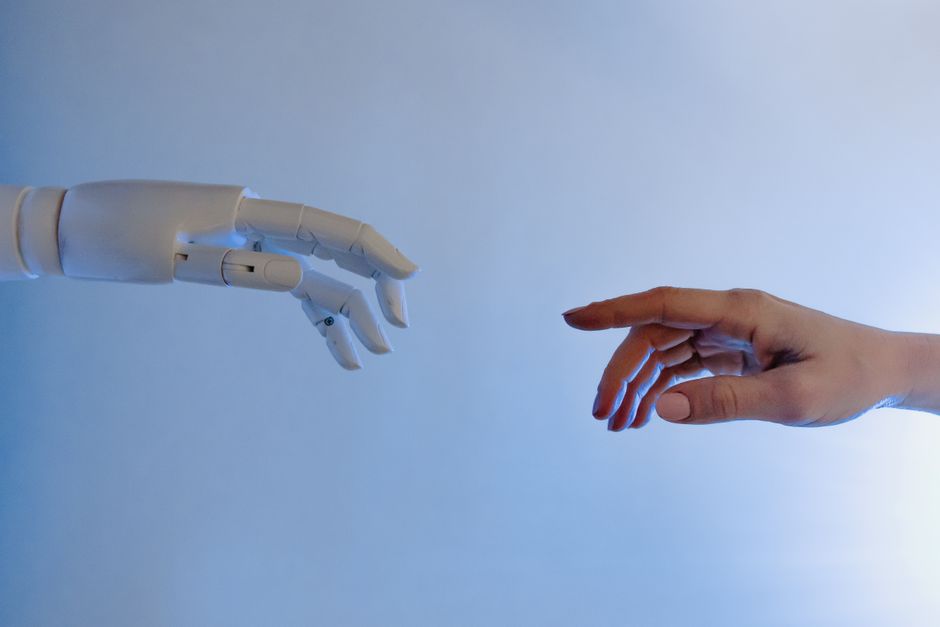
The most significant bottleneck in human performance has always been the interface. Whether it is the physical speed of typing, the cognitive load of interpreting complex data sets, or the sheer friction of translating intent into digital action, the human-machine gap remains the primary constraint on operational velocity. We are currently witnessing the transition from using tools to becoming integrated with them. This is the era of the bio-digital interface.
For the modern executive, this is not merely a technical evolution; it is a fundamental shift in decision-making capacity. When the barrier between biological neural activity and digital processing systems dissolves, the traditional constraints of “human speed” vanish. The leaders who define the next decade will be those who treat biological integration as a strategic asset rather than a science fiction curiosity.
The Architecture of Cognitive Expansion
Bio-digital interfaces—ranging from non-invasive neural sensors to high-bandwidth brain-computer interfaces (BCIs)—are moving beyond restorative medicine into the realm of cognitive enhancement. The objective is clear: to bypass sensory-motor pathways that slow down execution. By enabling direct communication between the brain and external computational systems, we gain the ability to process information at the speed of the machine.
From an operational excellence perspective, this changes the nature of strategy. If you can interface directly with real-time analytics, predictive models, or complex simulations, you move from “viewing data” to “experiencing insight.” This isn’t just about speed; it is about the fidelity of information. High-performance thinking requires the ability to maintain a mental model of an entire enterprise. Bio-digital interfaces allow for the externalization of that model, essentially providing an “exocortex” that functions as a persistent extension of your own executive function.
Strategic Implications for High-Performance Execution
Integrating bio-digital systems into a professional workflow introduces three distinct advantages for the high-performing leader:
Direct Data Synthesis: Instead of interpreting dashboards or reading reports, the interface allows for a more intuitive, visceral understanding of market shifts or internal bottlenecks. This reduces the time between observation and action.
Reduction of Cognitive Friction: The cognitive cost of switching between disparate software environments is massive. Direct neural control over digital tools allows for a seamless flow state, essential for complex strategy formulation.
Real-time Stress Management: Bio-feedback loops integrated with AI-driven monitoring allow for the precise regulation of physiological states. When you can monitor your own neural load, you can optimize your decision-making windows, ensuring you only tackle high-stakes problems when your cognitive resources are at their peak.
The AI-Bio Convergence
The true power of the bio-digital interface is unlocked when combined with advanced AI. An AI agent is only as effective as the intent provided by the human. Currently, that intent is diluted by the slow, imprecise medium of language and manual input. By tightening the loop—or eliminating it entirely—between neural intent and AI execution, you create a system where the AI acts as a high-speed engine for your strategic vision.
This is the ultimate form of leadership: the ability to project intent across a global organization with zero signal loss. The bio-digital interface provides the conduit, and the AI provides the scale. This combination effectively turns the leader into an augmented agent, capable of managing complexity that would overwhelm a traditional human mind.
Operational Risks and the Future of Decision-Making
Any system that enhances performance also introduces new vulnerabilities. The reliance on bio-digital interfaces requires a new approach to intellectual security. If your decision-making process is augmented by machine intelligence, you must ensure the integrity of the data inputs. An interface is only as reliable as the algorithms it connects to. Leaders must prioritize the auditability of the systems they integrate with their own cognitive processes.
Furthermore, the ethical dimension of bio-digital integration cannot be ignored. While these tools offer an unprecedented advantage, they also demand a higher level of discipline. When the machine is part of the mind, the boundaries of personal agency become blurred. Maintaining your internal compass is more important than ever. The technology accelerates the output, but it does not replace the necessity for character and sound judgment.