
The Baal-Hanan Shadow and the Peril of Strategic Hubris
In our previous exploration of the Baal-Hanan archetype, we examined the mechanics of ‘The Grace of Baal’—the potent combination of environmental command and calculated benevolence. It is a seductive framework for the modern CEO. However, to operate exclusively within the Baal archetype is to invite a specific, existential risk: Strategic Hubris. If the Baal-Hanan framework is about architecting a mandate to lead, the unseen consequence is the isolation that inevitably follows the coronation of a god-king.
The Myth of the Perpetual Rain
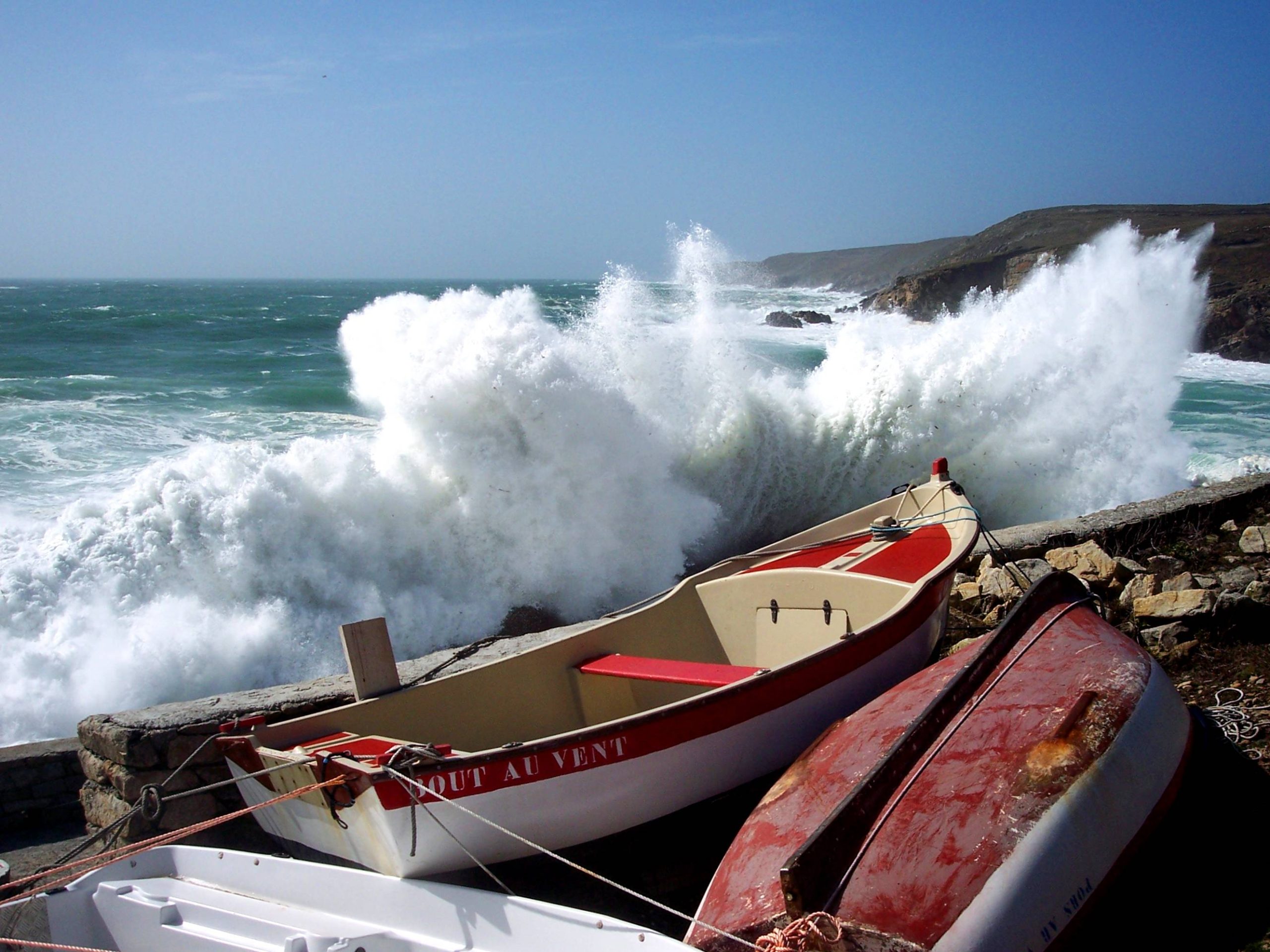
The core of the Baal archetype is the ‘Sustainer of Life’—the storm god who brings the rain. In the high-stakes arena of venture capital and SaaS, this is translated as providing the foundational infrastructure for your clients. But nature teaches us a lesson that business strategy often ignores: The storm that sustains is the same storm that destroys.
When a company positions itself as the ‘weather’—the non-negotiable climate in which its clients must operate—it creates a dependency loop. While this feels like market dominance, it is actually a vulnerability. When you become the only source of ‘rain,’ you become the single point of failure for your entire ecosystem. If your grace falters, you aren’t just a competitor losing a deal; you are the storm that failed, and the market will turn its collective gaze toward finding a new deity.
The Trap of Benevolent Despotism
The ‘Grace’ in Baal-Hanan is transactional. It is the tactical deployment of favor. However, the most sophisticated leaders are now realizing that in an era of radical transparency, ‘calculated benevolence’ is easily decoded. When your ecosystem realizes they are the subjects of a grand narrative rather than the participants in a partnership, the ‘mythos of continuity’ shatters.
The contrarian take here is simple: Authority is shifting from the ‘God’ to the ‘Guild.’
The modern elite are moving away from the solitary Baal archetype toward a more distributed model of influence. Instead of being the storm god who dictates the environment, the most disruptive leaders are becoming the ‘Great Facilitators.’ They are not building a system where they hold the rain; they are building a system where they empower their partners to create their own.
From Sovereign to Architect of Sovereignty
To evolve beyond the Baal-Hanan framework, consider these three shifts:
- From Command to Context: Do not just set the KPIs; build the infrastructure that allows your clients to define their own metrics of success using your tools. Move from being the ‘weather’ to being the ‘climate platform.’
- The Transparency of Grace: Stop disguising tactical maneuvers as pure benevolence. Modern influence requires the ‘Radical Honesty’ layer. When you grant favor, state the alignment of interests clearly. It builds deeper, more resilient trust than the performative mystery of the ancient archetypes.
- Distributed Stewardship: Institutionalizing the ‘storm’ is no longer about one person holding the lightning. It is about creating a decentralized culture where the ‘grace’—the competitive advantage of your firm—is baked into the API, the community, and the collective intellect of your network, rather than locked behind the C-suite door.
The Verdict
The Baal archetype is a powerful tool for initial market capture. It creates the gravity necessary to draw initial capital, talent, and attention. But if you remain trapped in the persona of the storm god, you will eventually outlive your own usefulness. The next generation of market leaders will be defined not by how much ‘rain’ they control, but by how effectively they enable their ecosystem to transcend the need for a deity at all.
The ultimate act of grace in the modern market is not giving your users the answers—it is giving them the power to build without you.
Leave a Reply