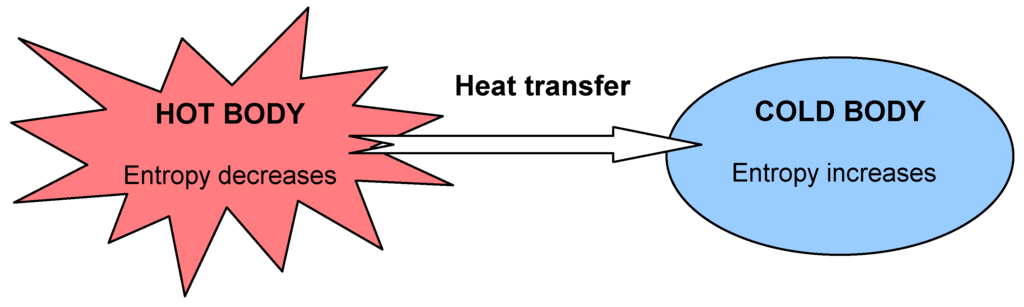
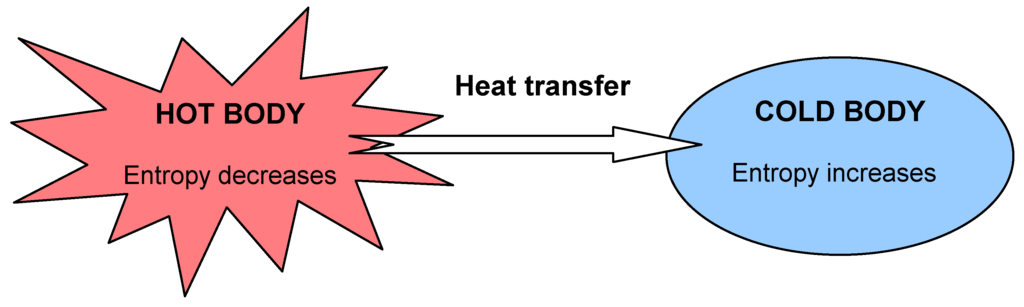
In our previous exploration of the Pinopygos phenomenon, we framed the concept as a metaphor for organizational entropy—a symbolic representation of the invisible frictions that drain high-growth ventures of their potential. But there is a dangerous misconception that often follows this realization: the belief that the ‘Pinopygos’—the distraction, the vanity metric, the busywork—is something you simply choose to overcome through sheer force of character.
The Myth of the Disciplined Executive
We are obsessed with the narrative of the ‘disciplined executive.’ We tell ourselves that if we only possessed more grit, we could ignore the siren call of administrative clutter and remain anchored to our North Star metrics. This is the ultimate trap. When you treat distraction as a personal failure of willpower, you ignore the reality that these ‘demons’ are actually symptoms of an architectural deficit in your business model.
If you find yourself constantly battling the urge to optimize your branding while your product-market fit remains shaky, you aren’t dealing with a lack of focus. You are dealing with an environment that incentivizes the wrong behaviors. Pinopygos is not a personality flaw; it is a signal that your system is designed to reward output, not impact.
The Architecture of Incentive Traps
To move beyond the ‘Solomonic’ containment model, we must look at the structural incentives of your operation. Modern startups often fail because they create an environment where Pinopygos-style activity is not just common—it is survival.
- The False Security of Low-Stakes Wins: High-impact work is inherently risky. It involves potential failure, public rejection, and the anxiety of the unknown. Administrative tasks—the ‘Pinopygos’—feel safe because they offer immediate, low-stakes gratification. Your environment is likely wired to punish the risk of failure, which naturally drives your team toward the safety of the distraction.
- The Metric-Fixation Loop: If your company culture demands constant, linear progress, you are training your team to manufacture ‘busy’ signals. When the board expects a weekly growth report, the team will prioritize the activities that generate numbers, even if those numbers have no bearing on long-term valuation. You have essentially paid your team to perform a ritual of productivity for the sake of the ritual itself.
Systemic Exorcism: Designing for Frictionless Impact
Stop trying to ‘bind’ your distractions. Start redesigning your system to make them physically impossible to prioritize. The most effective way to eliminate Pinopygos is to make the high-impact objective the path of least resistance.
- Remove the ‘Safety Valve’: Audit your reporting structures. If you require weekly updates on trivial operational minutiae, you are forcing your team to engage in Pinopygos-style labor. Shift to a ‘Strategic Exception’ reporting model, where you only meet to discuss systemic deviations from the North Star.
- Redefine ‘Performance’: Performance should be measured in outcomes, not activity. If a team member can justify their existence through high-volume, low-impact tasks, you have a design flaw. Change the incentive structure so that the only ‘valuable’ work is that which moves the primary growth lever.
- Architectural Omission: True innovation often comes from what you don’t do. Remove the tools that enable distraction. If a dashboard isn’t tracking an existential metric, delete it. If a meeting doesn’t result in a concrete shift in strategy, ban it. Make the distraction harder to perform than the work that actually matters.
The Contrarian Conclusion
The quest for focus isn’t about training your mind; it’s about pruning your environment until the only thing left to do is succeed. Don’t waste energy fighting your demons. Instead, tear down the architecture that allows them to exist. The ‘Pinopygos’ doesn’t need to be contained; it needs to be starved of its structural lifeblood. Build a system where laziness is defined as failing to move the needle, and watch how quickly your output aligns with your ambition.