The Architecture of Artificial Gravity: Engineering Constant Performance
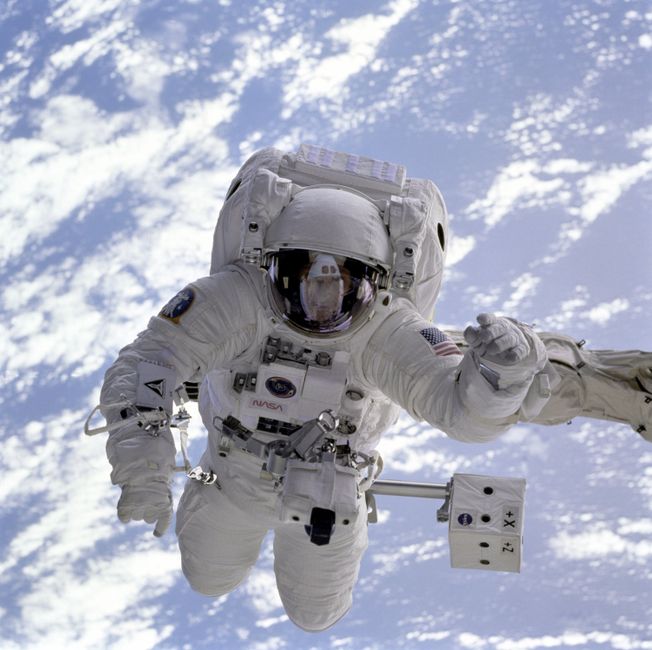
The human body is a biological machine calibrated for a specific constant: 1G. When we remove that constant, the machine begins to degrade. Muscles atrophy, bone density vanishes, and spatial orientation collapses. In space exploration, the solution is artificial gravity—a way to force a predictable environment onto a chaotic, weightless void. In the realm of leadership, the principle is identical. High-performance teams do not thrive in the weightlessness of ambiguity; they require the “artificial gravity” of structured constraints to maintain their operational integrity.
The Physics of Force
Artificial gravity is typically achieved through centripetal force—spinning a habitat to simulate the pull of a planet. It is an engineering solution to a fundamental physical problem. Without that force, the “system”—the crew—loses its baseline.
In a business context, “weightlessness” manifests as a lack of clear accountability, undefined decision-making protocols, or drifting strategic objectives. When these pillars are absent, the organization suffers from a form of corporate atrophy. Talent becomes unfocused, energy dissipates, and the velocity of execution grinds to a halt. Just as a rotating space station uses rotation to create a synthetic down, leaders must use rigorous frameworks to create synthetic stability.
Defining the Vector of Intent
To create gravity in your organization, you must first define the vector. In physics, gravity is a pull toward a center. In strategy, that center is the objective. If your team does not feel the constant pull of the primary mission, they are drifting.
The most effective leaders establish this pull through tight loops of feedback and radical transparency. When information flows freely and the organizational hierarchy is reinforced by clear, data-backed decision-making, the team experiences a sense of “down.” They know where they stand, they understand the weight of their responsibilities, and they are grounded by the reality of their metrics.
Operational Excellence as Synthetic Environment
Maintaining artificial gravity is energy-intensive. It requires constant maintenance of the spin—or in business terms, the constant calibration of processes. If you stop the spin, the gravity disappears instantly.
Operational excellence is the mechanical system that keeps the rotation consistent. This involves:
Standardized Operating Procedures (SOPs): These serve as the structural integrity of your habitat. They prevent the chaos of improvisation from breaking the system.
Cadence of Execution: Regular, high-frequency check-ins act as the internal clock of the mission. They ensure that no department drifts into the vacuum of isolation.
Constraint-Based Creativity: By placing limits on time, capital, or resources, you force the team to operate with higher density and efficiency, mimicking the biological benefits of a high-G environment.
When you remove these constraints, you aren’t empowering your team; you are setting them adrift. True execution requires the friction of reality. Without the resistance provided by clear expectations, high performers lose their edge because they lack a baseline against which to measure their output.
The AI Variable: Simulating Reality
We are entering an era where AI functions as the ultimate gravity generator. By processing vast amounts of operational data, AI models provide a synthetic “ground truth” that human intuition often misses. It allows leaders to simulate outcomes before they occur, effectively creating a controlled environment where the consequences of decisions can be tested without risking the integrity of the entire structure.
Using AI to augment your high-performance thinking allows you to identify the “voids” in your organization—the departments or processes where gravity is failing. When the data shows a lack of alignment, you have the diagnostic tools to correct the spin, ensuring the entire organization remains oriented toward the target.
The Cost of Weightlessness
Weightlessness is comfortable in the short term. It feels like freedom from oversight and the absence of pressure. However, sustained weightlessness is a death sentence for any complex system. The loss of structure is not a sign of agility; it is a symptom of decay.
Your job as a leader is to engineer the spin. Build the structures, define the vectors, and maintain the pressure. By creating an environment of artificial gravity, you ensure that your team stays grounded in reality, aligned with the mission, and capable of sustained, high-impact output regardless of the external conditions.