The Art of the Pause: Mastering the Interval Between Projects
— by
Steven Haynes
Contents
1. Introduction: The “Project Hangover” and the overlooked importance of the post-completion pause.
2. Key Concepts: Defining the psychology of closure, the role of dopamine, and the necessity of “cognitive transition periods.”
3. Step-by-Step Guide: How to conduct a proper project “debrief” and embrace the stillness.
4. Examples/Case Studies: Insights from creative professionals and project managers on the art of the pause.
5. Common Mistakes: The “hustle trap,” premature pivoting, and the avoidance of silence.
6. Advanced Tips: Ritualizing the transition and using the “empty space” for strategic reflection.
7. Conclusion: Summarizing the value of the pause as a catalyst for sustainable high performance.
***
The Art of the Pause: Mastering the Interval Between Projects
Introduction
We live in a culture obsessed with the “next.” As soon as a milestone is reached, our internal machinery immediately pivots toward the next objective. We hit “publish,” we submit the final report, or we sign off on the last line of code, and before the cursor has even stopped blinking, our minds are already racing toward the next mountain to climb. We treat the completion of a long project as a technicality—a box to check before the cycle repeats.
However, there is a profound, often overlooked pleasure in the moment of completion. It is the specific sensation of laying down a heavy burden that you have been carrying for months. If you move too quickly into the next endeavor, you forfeit the psychological integration that only comes from sitting with the work you’ve finished. This article explores why the interval between projects is not “wasted time,” but rather the most critical phase of your creative and professional development.
Key Concepts
To understand the value of the pause, we must first look at the psychological mechanics of effort. When you engage in a long-term project, your brain enters a state of sustained focus and stress. This is often referred to as “flow,” but it is frequently accompanied by “open loops”—the nagging, subconscious awareness of tasks yet to be completed.
The Psychology of Closure: When you finish a project, your brain experiences a sudden drop in adrenaline and cortisol. If you jump immediately into a new task, you bypass the “integration phase.” This phase is where your brain categorizes what it learned, evaluates the efficacy of your methods, and recovers its cognitive bandwidth.
The Dopamine Trap: Many professionals are addicted to the “start-up” energy of new projects. The novelty of a new challenge triggers a dopamine release. By rushing to the start of a new project, you are effectively self-medicating to avoid the discomfort of silence or the uncertainty of what comes next. Learning to sit with the feeling of completion is an exercise in emotional regulation.
Step-by-Step Guide: How to Properly Close a Chapter
You cannot effectively transition until you have fully processed the departure. Follow these steps to ensure you gain the maximum value from your completed project.
The Formal Shutdown: Physically close the folders, archive the emails, and clear your desktop. This sends a signal to your brain that the “open loop” is officially closed.
The “Post-Mortem” Reflection: Set aside 30 minutes to write down three things that went well, three things that caused friction, and one thing you would do differently in the future. Don’t do this for the project; do it for your own evolution.
The Period of Stillness: Force yourself to have a “transition period” of at least 24 to 48 hours where you do not commit to any new creative or high-stakes work. Use this time for low-cognitive activities like walking, reading, or simply resting.
The Celebration: Acknowledge the effort. Whether it is a dinner, a small purchase, or simply a glass of wine, creating a ritual marks the completion as a significant event in your life, not just another task on the list.
Examples and Case Studies
Consider the habit of many high-level novelists. After finishing a book—a project that often takes years—they rarely start the next manuscript immediately. Authors like Haruki Murakami often speak of the necessity of physical movement and long periods of “downtime” between books. This is not because they are lazy; it is because the creative well needs to be refilled.
In the tech industry, “sprint retrospectives” are common, but they are often treated as bureaucratic requirements. A team at a leading software firm recently implemented a “Cool-Down Week” after every major product launch. During this week, no new features are built. Instead, the team fixes minor bugs, cleans up code, and engages in team-building activities. The result? A 20% increase in productivity during the next development cycle compared to when they skipped the cool-down.
These examples highlight a universal truth: you perform better when you allow the dust to settle. The “pause” acts as a buffer that prevents burnout and ensures that the next project isn’t just a continuation of the old one’s mistakes.
Common Mistakes
Ignoring the importance of the interval leads to several predictable pitfalls:
The Hustle Trap: The belief that productivity is linear. You assume that if you work 100% of the time, you will achieve 100% more output. In reality, you simply achieve 100% more fatigue.
Premature Pivoting: Starting a new project while the emotional residue of the last one is still present. This leads to “project contamination,” where your frustrations from the previous work leak into the new one.
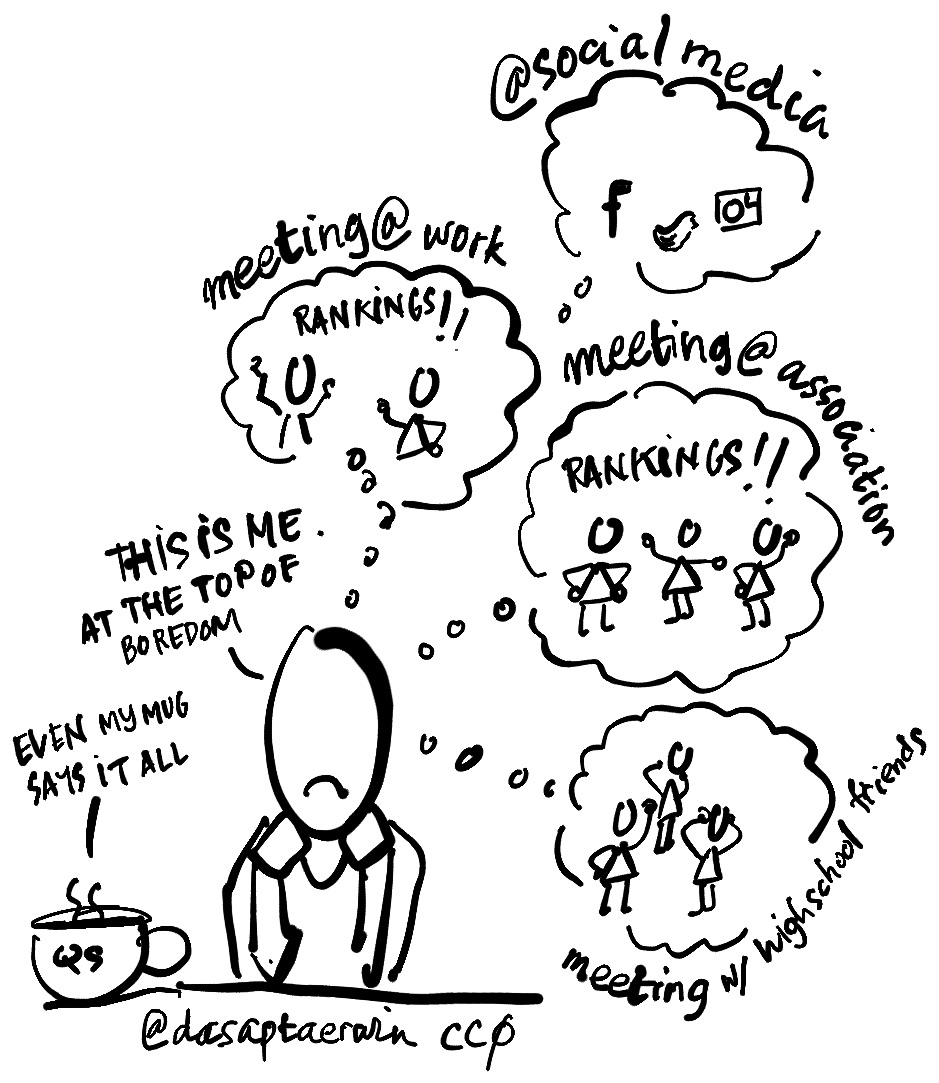
Avoiding Silence: Many people fear the “empty” feeling after a project ends. They fill it with social media, busy work, or low-value distractions. By avoiding the silence, you miss the opportunity to ask yourself, “Is this actually the next project I want to commit my life to?”
Advanced Tips
If you want to master the art of the pause, treat it as a strategic tool rather than a luxury.
Use the “Empty Space” for Strategy: When you aren’t busy, your brain engages in “default mode network” activity—the state where you make connections between disparate ideas. This is when your best, most innovative ideas for the *next* project will actually emerge. Don’t rush them.
Ritualize the Transition: Find a ritual that helps you mentally switch off. It might be deleting your work email app for a few days, cleaning your physical workspace, or spending time in nature. The goal is to change your environment so that your brain understands the current state of “project mode” has been turned off.
The quality of your next project is directly proportional to the quality of your rest between this one and the next. Never underestimate the power of a clean slate.
Conclusion
The pleasure of finishing a long project is not just in the accomplishment; it is in the relief of letting go. When you allow yourself to sit with the feeling—the fatigue, the pride, the relief, and the silence—you are doing the work of growth. You are ensuring that you are not just a machine that outputs work, but a human who learns, evolves, and recovers.
Stop rushing to the next milestone. Give yourself the grace to sit in the quiet aftermath of your effort. You will find that when you finally do decide to start again, you do so with more clarity, more energy, and a significantly higher degree of intention.





Leave a Reply