The Architecture of Resilience: Reclaiming Strength in an Age of Abundance
Introduction
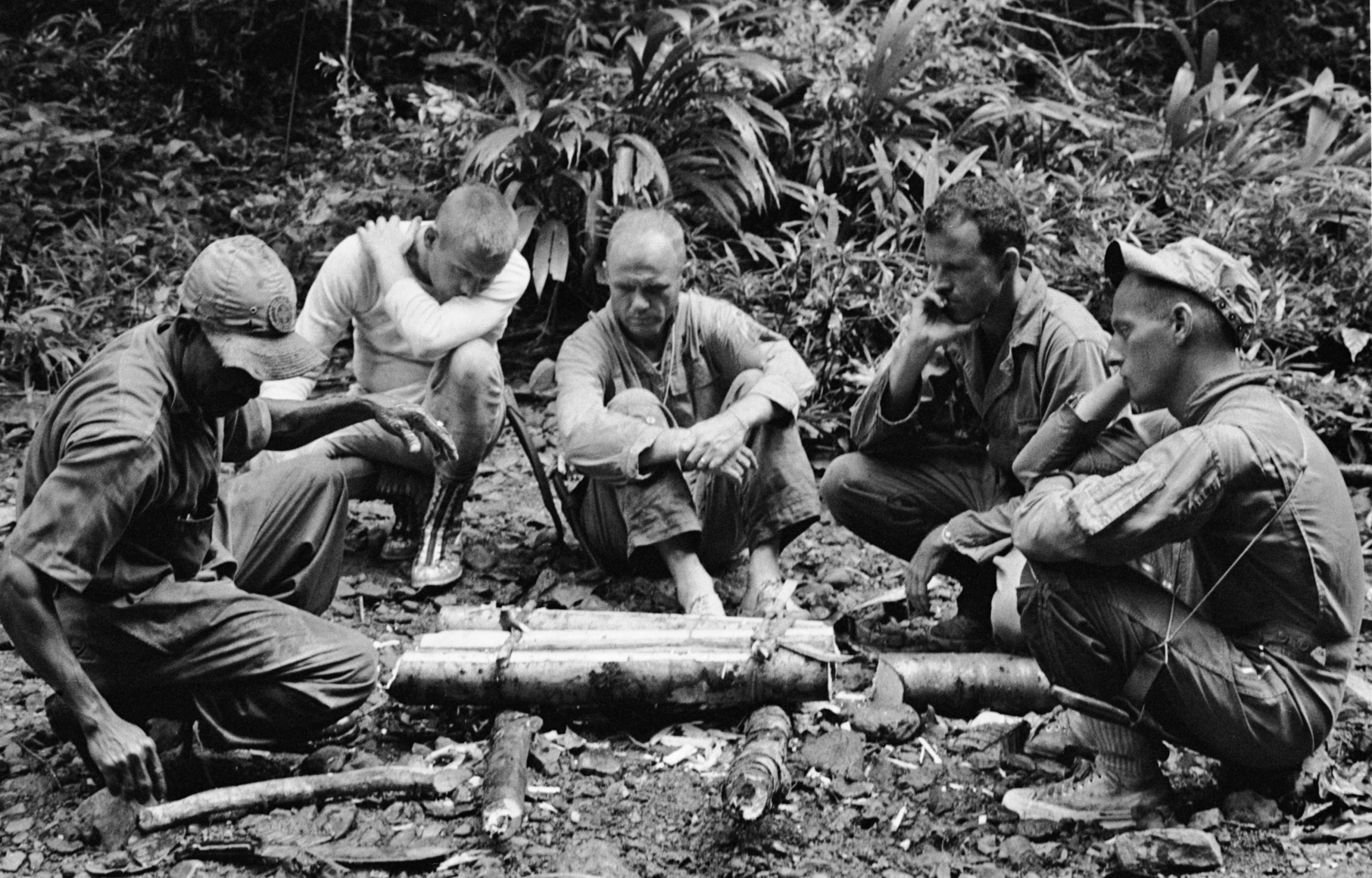
For most of human history, resilience was not a choice; it was a biological mandate. Our ancestors navigated environments defined by scarcity, unpredictability, and physical danger. These conditions forged a psychological ironclad nature, where the capacity to endure discomfort was the difference between survival and extinction. However, we now live in an era of unprecedented comfort. While this is objectively a triumph of civilization, it has created a dangerous side effect: the atrophy of our psychological immune system.
When the external pressures of life are removed, the mind does not simply remain neutral; it becomes brittle. If you have spent your life avoiding discomfort, you will likely crumble when inevitable life crises occur. To reclaim the strength of our predecessors, we must move beyond passive survival and embrace the active cultivation of resilience. This article explores how to intentionally introduce friction into your life to build a robust, antifragile psyche.
Key Concepts
Psychological resilience is often misunderstood as merely “toughness” or the ability to suppress emotion. In reality, it is the capacity to experience stress, volatility, and failure without suffering a catastrophic loss of function. It is the ability to maintain cognitive clarity and emotional regulation when the environment turns hostile.
The concept of antifragility, popularized by Nassim Taleb, is essential here. Fragile things break under stress. Resilient things resist stress. Antifragile things actually improve because of stress. When we cultivate resilience through voluntary challenges, we move from being fragile—dependent on safety—to being antifragile, where we thrive on the very volatility that breaks others.
Intellectual expansion serves as the second pillar of this structure. A narrow mind is easily overwhelmed by a single point of failure. By expanding your intellectual horizons—learning new systems, understanding different philosophies, and studying history—you build a “cognitive buffer.” You become better at reframing challenges as puzzles rather than threats.
If you wait for a crisis to build resilience, it is already too late. You must introduce controlled, voluntary stressors into your daily routine to prepare the mind for the involuntary challenges of life.
Identify Your Comfort Baseline: Audit your day. Where are you seeking immediate comfort? Is it the temperature of your home, the constant availability of entertainment, or the avoidance of difficult conversations? Write these down.
Implement Micro-Discomforts: Begin by intentionally choosing the “harder” path in small, low-stakes scenarios. This could be ending your shower with 60 seconds of cold water, fasting for a morning, or engaging in a physical workout that pushes you to your limit. The goal is to prove to your brain that you can survive—and function—without optimal conditions.
Engage in Intellectual Expansion: Dedicate 30 minutes daily to studying a subject that challenges your existing worldview. If you are scientifically minded, read classical philosophy. If you are a humanist, study the mechanics of complex systems or financial theory. This forces the brain to form new neural pathways, increasing your cognitive flexibility.
Practice “Stoic Negative Visualization”: Spend five minutes imagining that a specific comfort you enjoy (your job, your health, a relationship) has been removed. Do not dwell in anxiety; instead, visualize how you would navigate that reality. This reduces the fear of loss and increases your appreciation for the present.
Audit Your Information Diet: Replace passive consumption (endless scrolling) with active creation or deep reading. Passive consumption numbs the mind, whereas active engagement forces you to synthesize information, which is a key component of mental fortitude.
Examples and Case Studies
Consider the professional athlete who intentionally trains at high altitudes. The reduced oxygen levels are a form of voluntary environmental scarcity. The athlete’s body compensates by increasing red blood cell production, making them more capable when they return to sea level. This is the physiological equivalent of what we are aiming for psychologically.
A second example is the “digital nomad” who chooses to work from a location where the infrastructure is unreliable. While they could choose a home office with high-speed fiber optics, they intentionally face the challenge of finding power and connectivity in unpredictable environments. When they return to a stable work environment, their problem-solving skills and patience—honed by navigating foreign bureaucracies and technical failures—are significantly higher than their peers who have never left their comfort zones.
True resilience is not found in the absence of struggle, but in the deliberate pursuit of challenges that force the mind to upgrade its own operating system.
Common Mistakes
Mistaking Intensity for Consistency: Many people attempt to build resilience through “boot camp” style challenges that last a week, only to revert to total comfort afterward. Resilience is a lifestyle, not a sprint. Consistency in small, daily challenges is far more effective than an occasional, dramatic ordeal.
Ignoring the Body: You cannot build a resilient mind in a neglected body. Physical health provides the foundation for mental endurance. If your sleep, nutrition, and exercise are poor, your nervous system is already in a state of chronic stress, leaving no room for growth.
The “Martyrdom” Trap: Do not confuse resilience with suffering for the sake of suffering. The challenges you choose must be constructive. If you are engaging in stress that provides no feedback or growth (such as toxic environments), you are not building resilience; you are simply enduring unnecessary damage.
Neglecting Intellectual Rigor: Physical challenges alone are insufficient. Without a broad intellectual framework, you may become “tough” but remain rigid. Real resilience requires the wisdom to know when to push, when to pivot, and how to interpret the world accurately.
Advanced Tips
To move to the next level, focus on emotional decoupling. This is the practice of observing your emotional reactions to stress as if you were a third-party scientist. When a stressful event occurs—a failed project, a conflict, or a sudden loss—pause for three seconds before responding. Label the emotion: “I am feeling frustration right now because my expectations were not met.”
This simple act of labeling creates a gap between the event and your reaction. In that gap, you exercise your autonomy. You are no longer a slave to your fight-or-flight response; you are a conscious agent choosing your next move.
Furthermore, seek out “high-stakes, low-consequence” environments. Examples include public speaking, debating a controversial topic, or learning a high-difficulty skill like coding or a new language. These activities trigger the same physiological stress response as a real-world crisis, but if you fail, the fallout is minimal. By repeatedly exposing yourself to these environments, you desensitize your amygdala to the sensation of being under pressure.
Conclusion
We are the beneficiaries of an environment that has eliminated the need for grit, but we are also the victims of the complacency that follows. If you wish to lead a life of consequence, you must be the architect of your own hardship. By integrating voluntary challenges and intellectual expansion into your daily life, you cease to be a passive recipient of your environment and become a master of it.
Start small. Take the cold shower. Read the difficult book. Engage in the uncomfortable conversation. Each of these actions is a vote for your future self—a self that is not easily broken, not easily shaken, and fully capable of navigating the inevitable storms of life with quiet, unshakable strength.