The Architecture of an Effective Evacuation Drill Sequence
Most organizations treat evacuation drills as a box-ticking exercise for compliance. This is a strategic failure. A drill is not a safety formality; it is a high-stakes simulation of your organization’s operational excellence under duress. When the physical environment becomes hostile, the quality of your decision-making processes determines whether you face a minor disruption or a catastrophic loss.
Executing an evacuation drill sequence requires the same rigor as deploying a new product or shifting a supply chain. It demands a deliberate choreography that exposes the gap between documented policy and real-world performance.
Deconstructing the Drill Sequence
An effective drill sequence follows a linear progression of escalation. If your team cannot execute the first phase flawlessly, there is no value in testing the subsequent ones. You must treat these phases as distinct operational milestones.
Phase 1: The Trigger and Initial Response
The sequence begins with the alarm. This is the moment where leadership is tested. Do employees pause to finish emails, or is there an immediate, reflexive transition to safety protocols? In high-performance environments, the response time to the initial trigger is a leading indicator of organizational discipline. If the response is sluggish, you do not have a safety problem; you have a culture problem.
Phase 2: The Egress Flow
Movement must be structured. In a real emergency, panic creates bottlenecks. Your drill sequence should introduce controlled variables to test how teams handle flow disruption. Block off a primary exit. Force the use of secondary stairwells. Observe the transition from individual behavior to coordinated collective action. This is where you identify the leadership vacuum: who steps up to direct the flow, and who freezes?
Phase 3: Accountability and Verification
Reaching the assembly point is not the finish line. The true test is the verification of personnel. If your accountability system relies on paper clipboards or unverified verbal check-ins, it will fail when it matters most. You need a verifiable, rapid-cycle system for tracking human assets. This phase mirrors your execution capabilities during a crisis; if you cannot track your people in a drill, you cannot manage them during an actual incident.
Identifying Latent Operational Failures
A drill sequence is a diagnostic tool for decision-making architecture. During the sequence, look for these three common failure points:
The Authority Gap: Junior employees waiting for explicit commands rather than following established protocols. This indicates a lack of empowerment or a reliance on central-point failure.
Information Asymmetry: When the team at the assembly point knows something the team in the stairwell does not. Effective communication channels must be tested for redundancy.
Compliance Drift: The subtle degradation of safety standards because the team perceives the drill as “just a test.” This behavior bleeds into other areas of the business, leading to decreased attention to detail in daily operations.
The Shift Toward High-Performance Simulation
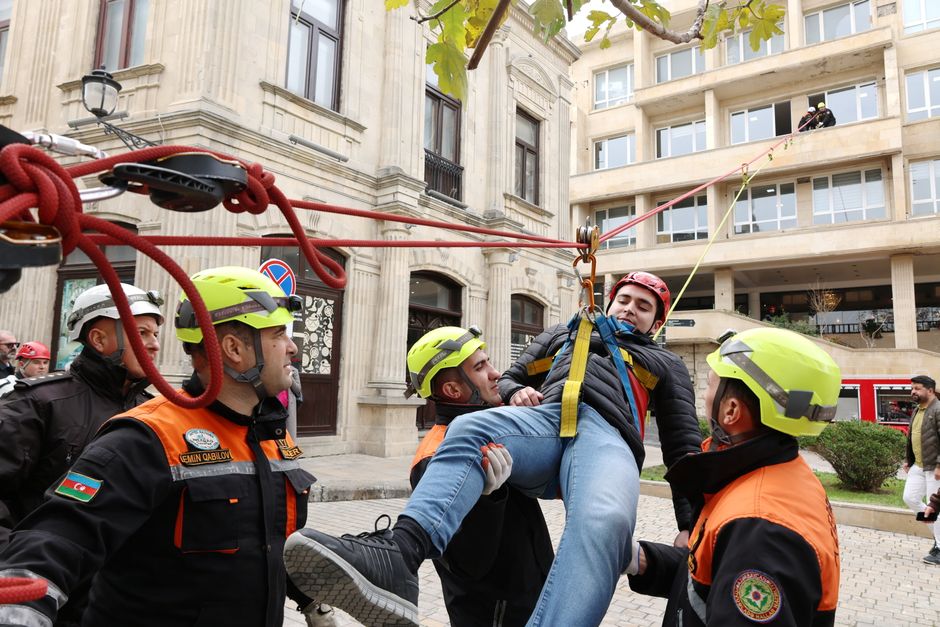
To move beyond basic compliance, integrate strategy into your drill sequences. Introduce “injects”—unexpected variables like a missing key, a blocked door, or a simulated injury. These injects force your team to adapt on the fly. This is how you build a resilient organization.
When you refine your drill sequences, you aren’t just saving lives; you are training your workforce to remain calm, analytical, and process-oriented under extreme pressure. High-performance thinking demands that you treat the smallest operational task with the same gravity as your largest strategic initiative.