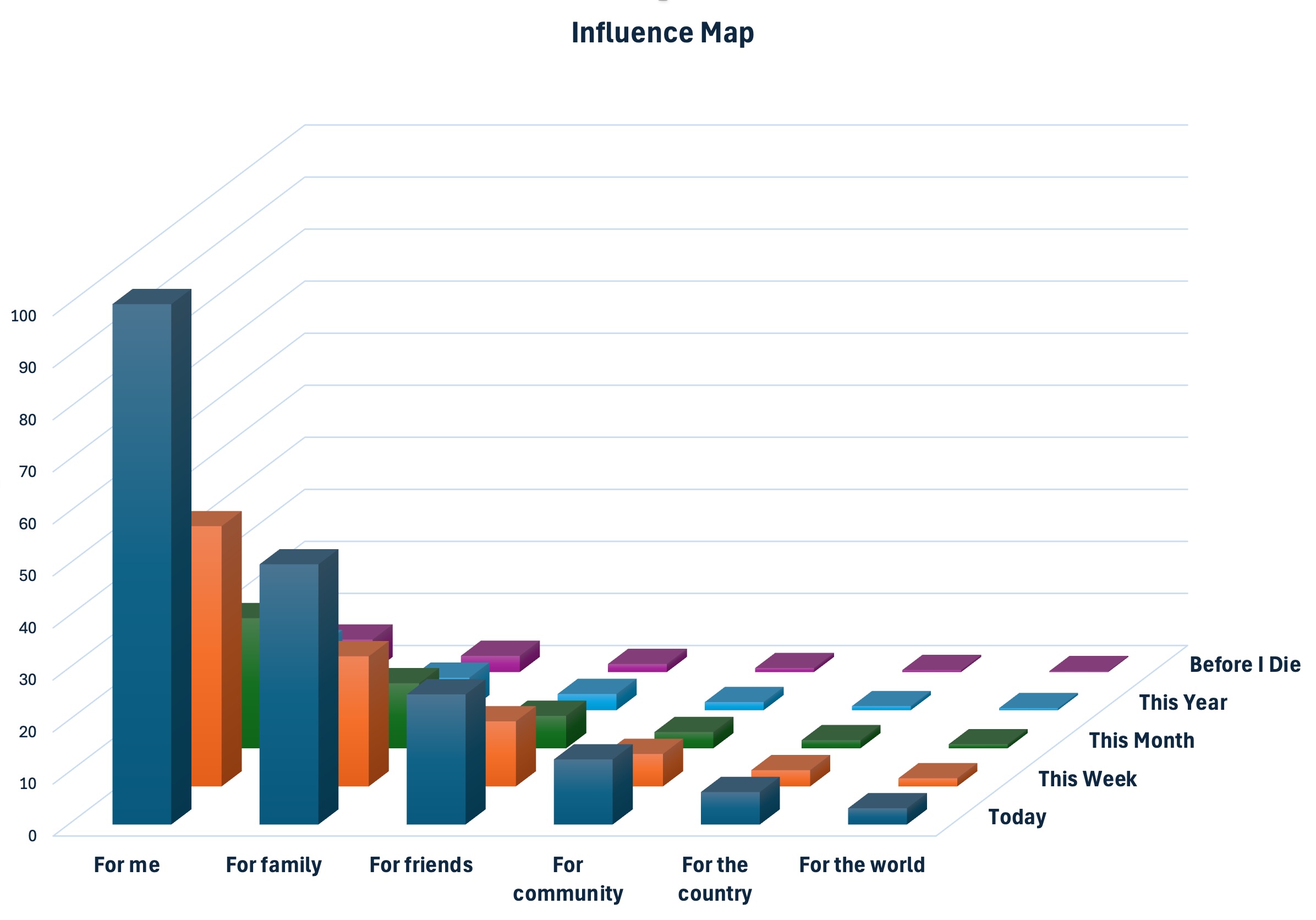
1. Introduction: Defining social stratification and the concept of “Influence Capping.” 2. Key Concepts: Distinguishing between economic wealth and social influence (power dynamics). 3. The Logic of Influence Capping: Why unchecked influence destabilizes meritocracies. 4. Step-by-Step Guide: Implementing institutional caps on systemic influence. 5. Real-World Applications: Anti-trust laws, term limits, and decentralized governance. 6. Common Mistakes: Misunderstanding the difference between equity and equality. 7. Advanced Tips: Mechanisms for digital-age influence regulation (algorithmic transparency). 8. Conclusion: The path toward a balanced social architecture.
***
The Architecture of Balance: Curbing Social Stratification Through Influence Capping
Introduction
Social stratification is the silent architect of inequality. In almost every civilization, societies naturally organize into hierarchies based on wealth, status, and power. While some degree of differentiation is inevitable in any functional organization, modern societies are facing an existential crisis: the consolidation of influence to a degree that renders social mobility impossible. When the top tier of society wields enough influence to rewrite the rules of the game to suit their own preservation, the system ceases to be a meritocracy and becomes a closed loop.
The solution gaining traction among political economists and sociologists is the concept of “Influence Capping.” This is not a call for the total abolition of wealth or status, but rather a structural intervention designed to limit the maximum power any single individual or entity can exert over the collective. By placing a “ceiling” on influence, we can prevent the systemic calcification that leads to societal collapse.
Key Concepts
To understand influence capping, we must first distinguish between economic capital (wealth) and systemic influence (power). Economic capital is a resource; systemic influence is the ability to shape the environment in which others operate. This includes lobbying power, the ability to control information flow, and the capacity to dictate market conditions.
Social stratification occurs when economic capital is converted into systemic influence, which is then used to generate more economic capital. This is known as the “feedback loop of inequality.” Influence capping seeks to break this loop by implementing regulatory boundaries. It posits that there is a point of diminishing returns for society: once an individual’s influence exceeds a certain threshold, the negative externalities—such as the stifling of innovation, erosion of democratic integrity, and extreme wealth gaps—outweigh any individual contribution they might provide.
Step-by-Step Guide to Implementing Influence Caps
Implementing systemic influence caps requires a multi-layered approach that addresses both financial dominance and institutional control. Here is how a society might operationalize these boundaries:
Audit Systemic Power Concentrations: Establish an independent body to measure “influence metrics,” such as the percentage of a market controlled by a single entity, the volume of political spending, and the reach of information control.
Establish “Hard Ceilings” on Political Influence: Legally decouple private wealth from public policy. This involves strict, non-negotiable limits on campaign contributions and lobbying expenditures that scale inversely with the individual’s existing market share.
Implement Progressive Influence Taxation: Beyond monetary taxes, introduce “power taxes.” For instance, if a corporation reaches a specific size or market influence, it must be legally required to divest or decentralize its governance to prevent monopoly power.
Mandate Decentralized Governance Structures: For entities that reach a “critical mass” of influence, mandate a shift toward stakeholder-based governance. This ensures that the individuals impacted by the entity have a proportional say in its decision-making processes.
Continuous Recalibration: Influence caps must be dynamic. As technology changes the nature of power, these caps must be adjusted to ensure they remain relevant to the current socio-economic landscape.
Examples and Real-World Applications
We already see versions of influence capping in various sectors, though they are often fragmented and reactive rather than proactive.
The antitrust laws of the early 20th century, which broke up standard oil monopolies, were a primitive form of influence capping. By forcing the dissolution of a singular, all-powerful entity, the government restored competition and prevented a single individual from dictating the energy landscape of the nation.
Another modern application is term limits in political office. Term limits are, at their core, a mechanism to prevent the buildup of systemic influence. By forcing a rotation of power, the system prevents any single individual from accumulating the deep-rooted connections and influence networks that lead to corruption and state capture.
In the digital age, we see a push for algorithmic transparency. When a platform becomes so large that it influences public opinion, regulators are beginning to demand that the algorithms—the “influence engines”—be audited and neutralized, preventing the platform owner from exerting undue psychological influence over the electorate.
Common Mistakes
When discussing the limitation of influence, several misconceptions frequently derail the conversation:
Confusing Equity with Equality: Critics often argue that capping influence is an attempt to make everyone the same. This is false. Influence capping is about maintaining a healthy, competitive ecosystem, not forcing an artificial sameness.
Ignoring the Incentive Problem: A common mistake is failing to account for how caps affect innovation. If the goal is to prevent stagnation, the caps must be designed so that they limit power, not performance. The goal is to discourage the hoarding of influence, not the creation of value.
Underestimating Regulatory Capture: If the body responsible for enforcing influence caps is itself influenced by those it is meant to regulate, the entire system fails. True influence capping requires a high level of institutional independence that is often overlooked in planning stages.
Advanced Tips
For those looking to influence policy or organizational structure toward this model, consider the following advanced strategies:
Leverage Distributed Ledger Technology: Use DAOs to create systems where influence is inherently capped by protocol. In these systems, the rules are embedded in the code, making it mathematically impossible for a single user to gain total control, regardless of how much capital they possess.
Promote “Power Diversification”: Instead of just capping the top, incentivize the bottom. By creating pathways for small-scale actors to aggregate their own influence, you create a “counter-weight” effect. A highly dense, decentralized network of small influencers can naturally check the power of a single, massive entity.
Focus on “Information Asymmetry”: The most potent form of influence is the control of information. Advancing laws that protect data sovereignty and prevent the monopolization of attention is often more effective than trying to break up financial monopolies. When people control their own digital identities, they are less susceptible to top-down influence.
Conclusion
Social stratification is not an inevitable outcome of human nature; it is a byproduct of systems that allow the accumulation of power to go unchecked. By implementing influence caps, we are not punishing success—we are protecting the structural integrity of our society. A balanced society is one where power is distributed, competition remains vigorous, and no single individual can dictate the trajectory of the collective.
The path forward requires a shift in mindset: moving from a focus on wealth redistribution to a focus on power diffusion. When we treat systemic influence as a finite resource that must be shared rather than hoarded, we create the conditions for a more resilient, innovative, and equitable future.